 By Maya Reed, Editor
Reviewed & updated September 2026 · Researched, AI-assisted & human-reviewed
Educational information only — not medical advice. Learn more
As an Amazon Associate, we earn from qualifying purchases. This article is for general information and is not medical advice.
If you want one tool that builds strength, burns fat, and trains your whole body in a tiny footprint, it's hard to beat a kettlebell. One well-chosen bell turns a corner of your living room into a complete gym — swings, squats, presses, carries, and full-body conditioning, all from a single piece of iron.
The trouble is choosing. Kettlebells come in cast iron, vinyl-coated, competition steel, and adjustable versions, across a huge range of weights. Pick wrong and you either outgrow it in a month or buy something too heavy to use safely. Below are our top picks for home workouts, who each is best for, and a simple buying guide so you get it right the first time.
 In this guideCurated by Maya · 7 min read
Why a kettlebell is worth it
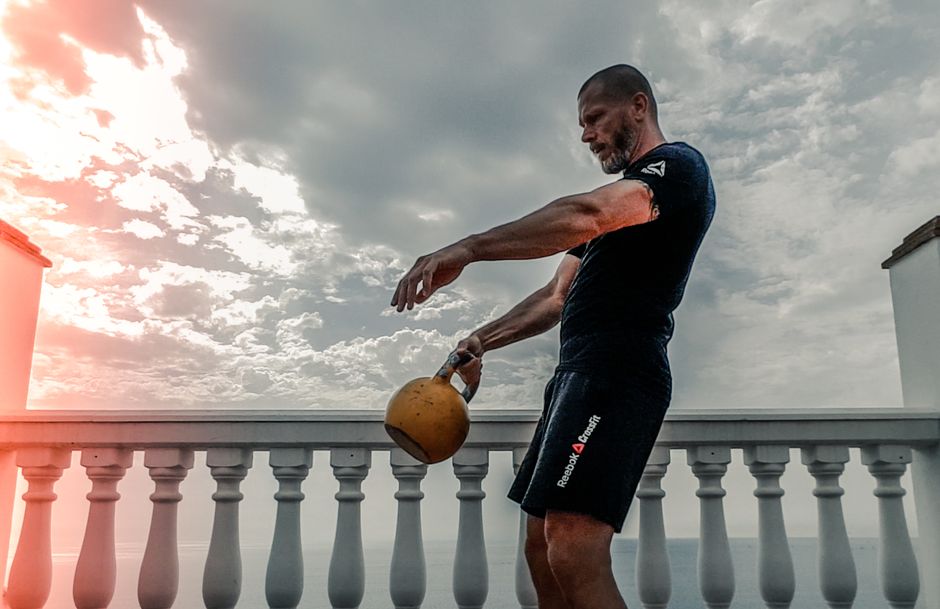
A kettlebell's weight sits below the handle, which creates an offset load your body has to control through every rep. That makes it brilliant for explosive, full-body movements like swings and cleans that train strength and cardio at once. A single bell can replace a whole rack of equipment for most home workouts, and it stores in a corner you'd otherwise waste.
Our top picks
| Category | Our pick | Best for |
|---|---|---|
| 🏆 Best overall | Cast Iron Kettlebell | Swings, squats, presses, and general home strength training |
| 💸 Best budget | Vinyl-Coated Kettlebell | Beginners and floor-friendly home workouts |
| 💪 Best space-saver | Adjustable Kettlebell | Small apartments and anyone who wants a full weight range in one tool |
🏆 Best overall: Cast Iron Kettlebell
A solid, single-cast iron kettlebell with a smooth, wide handle is the best choice for most people. There are no moving parts to fail, the finish grips chalk-free hands well, and it lasts a lifetime.
- Best for: Swings, squats, presses, and general home strength training.
- Pros: Durable, stable, comfortable handle, great value over time.
- Cons: Fixed weight — you'll want a second one as you progress.
💸 Best budget: Vinyl-Coated Kettlebell
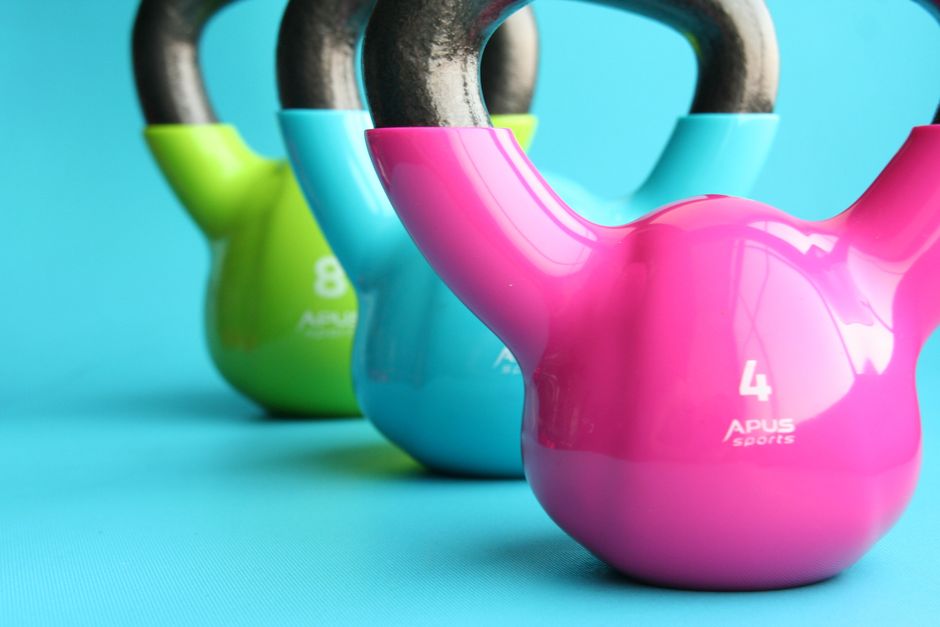
A vinyl- or neoprene-coated bell is the cheapest way in, and the coating protects your floors — handy if you train on hardwood or in an apartment.
- Best for: Beginners and floor-friendly home workouts.
- Pros: Affordable, floor-protecting, quiet to set down.
- Cons: Coating can wear over time; handles vary in quality.
💪 Best space-saver: Adjustable Kettlebell
An adjustable kettlebell swaps several fixed bells for one unit with a dial or plate system, letting you change the weight in seconds. It's the smartest pick if storage is tight.
- Best for: Small apartments and anyone who wants a full weight range in one tool.
- Pros: Replaces multiple bells, saves huge amounts of space.
- Cons: Bulkier shape than a classic bell; costs more upfront.
A few more options worth knowing
Beyond our top three, a few other styles suit specific needs (no links — just so you know what's out there):
- Competition kettlebells are uniform in size regardless of weight and use a thinner handle — ideal if you're chasing technique and plan to compete.
- Powder-coated kettlebells offer extra grip for high-rep swings and sweaty sessions.
- Soft/sand kettlebells are filled rather than solid iron — gentler if dropped, good for beginners nervous about form.
- Kettlebell sets (light, medium, heavy) make sense once you know you're committed.
Buying guide: how to choose a kettlebell
Pick the right starting weight. As a rough guide, many beginners start with around 8 kg (18 lb) for women and 12–16 kg (26–35 lb) for men for swings, and go lighter for overhead pressing. Choose a weight you can control with good form, not the heaviest you can lift once.
Mind the handle. Look for a smooth, wide-enough handle with no rough seams that will tear your hands during swings. Handle comfort matters more than most beginners expect.
Fixed vs. adjustable. A single fixed bell is cheaper and more durable; an adjustable bell saves space and money if you'd otherwise buy several. If you have room, two fixed bells (a lighter and a heavier) cover most needs.
Match it to your goal. Conditioning and fat loss? A moderate bell you can swing for high reps. Building strength? A heavier bell for squats, presses, and carries.
How to use it: a quick full-body routine
Try this 3 times a week with one bell:
- Kettlebell swings — 5 × 15
- Goblet squats — 3 × 12
- Single-arm press — 3 × 8 per side
- Bent-over rows — 3 × 10 per side
- Suitcase carry — 3 × 30 seconds per side
New to training? Start with our beginner's guide to working out at home, and pair this with our full-body dumbbell workout.
Frequently asked questions
What weight kettlebell should a beginner buy?
For swings, many women start around 8 kg (18 lb) and many men around 12–16 kg (26–35 lb), going lighter for overhead presses. Pick a weight you can control with good form and progress from there.
Is one kettlebell enough?
For most beginners, yes — a single well-chosen bell covers swings, squats, presses, rows, and carries. Add a second, heavier bell once lower-body moves start to feel easy.
Are kettlebells good for losing weight?
They can be very effective. Movements like swings combine strength and cardio, burning a lot of calories in a short session while building muscle that supports fat loss.
Cast iron or adjustable?
Cast iron is more durable and cheaper per bell; adjustable saves space and money if you'd otherwise buy several weights. Choose based on your storage and budget.
The bottom line
For most people, a single cast iron kettlebell in the right starting weight is the best all-round choice — durable, stable, and endlessly versatile. On a tight budget, a vinyl-coated bell protects your floors for less. Short on space? An adjustable kettlebell replaces a whole set.
Ready to train? Read our beginner's guide to working out at home next, or learn how to build muscle as a beginner.
Read next

Related articles
- Best Cheap Cardio Equipment for Small Spaces (No Treadmill)
- 6 Best Massage Guns for Sore Muscles (2026)
- 6 Best Foam Rollers for Recovery (2026)
- The Best No-Equipment Bodyweight Workout for Beginners
- Running for Beginners: How to Start and Stick With It
- How to Build Muscle: A Complete Beginner’s Guide (2026)
Further reading & trusted sources
Worth knowing before you start
One well-chosen kettlebell does more than a rack of light ones — most beginners buy too light and outgrow it in weeks. Err heavier than feels comfortable in the shop; swings need real load.
Maya’s editorial obsession is the gap between fitness hype and what the evidence actually shows — she’d rather hand you one boring habit that works than ten exciting ones that don’t. She builds FitNourish’s guides from mainstream, well-established sources (the CDC, the NHS, Mayo Clinic, and peer-reviewed research) and has a human review every one for accuracy before it publishes. She and the team are dedicated fitness enthusiasts and researchers, not doctors, so everything here is general information rather than medical advice. AI tools help with the research and drafting; the fact-checking and judgement are human.