 By Maya Reed, Editor
Reviewed & updated September 2026 · Researched, AI-assisted & human-reviewed
Educational information only — not medical advice. Learn more
As an Amazon Associate, we earn from qualifying purchases. This article is for general information and is not medical advice.
For most beginners, a $15 set of resistance bands builds strength just as well as a rack of dumbbells — muscle responds to tension, not to how expensive the gear looks. Bands also fit in a coat pocket, won’t dent your floor, and scale from gentle rehab to genuinely brutal. Here are the seven sets worth owning.
But there are hundreds of options, and plenty of them snap, smell like rubber, or roll up uncomfortably. We've sorted through the noise. Below are our top picks, who each is best for, and a simple buying guide so you choose the right type the first time.
 In this guideCurated by Maya · 6 min read
Why resistance bands are worth it
Resistance bands work because muscles respond to tension, not specifically to iron. A band provides smooth, joint-friendly resistance that increases as you stretch it — great for building strength, toning, and rehab. They're also the most travel-friendly equipment there is: a full set fits in a drawer or carry-on.
Our top picks
| Category | Our pick | Best for |
|---|---|---|
| 🏆 Best overall | Fabric Booty Bands Set | Glutes, legs, and general home workouts |
| 💸 Best budget | Classic Latex Loop Band Set | Beginners and travel |
| 💪 Best for strength | Heavy Pull-Up Assist Bands | Building strength and assisted pull-ups |
🏆 Best overall: Fabric Booty Bands Set
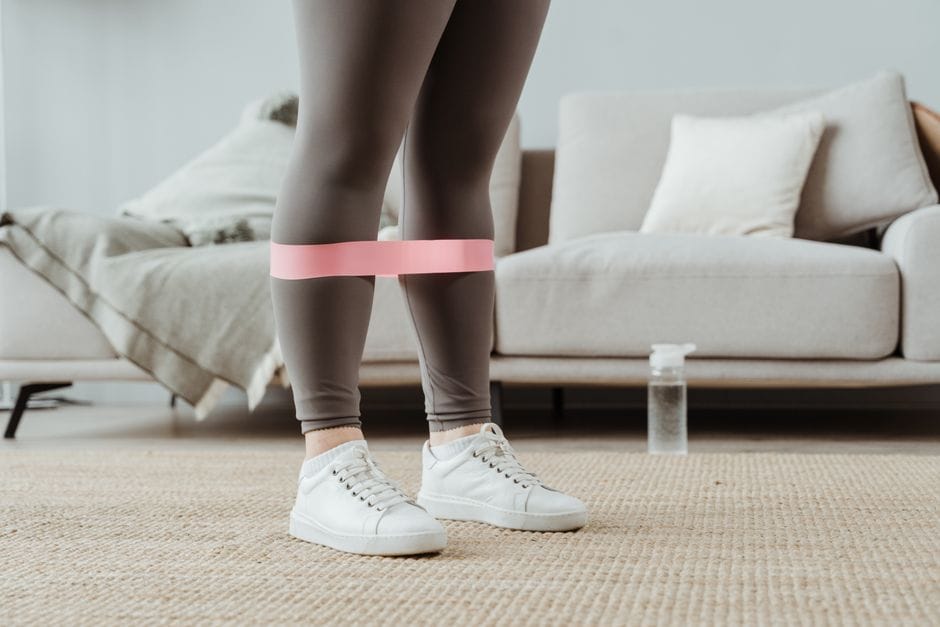
Fabric bands don't roll, pinch, or snap the way cheap latex ones do, which is why they're our top pick for most people. A typical set includes light, medium, and heavy resistances, so you can progress over time.
- Best for: Glutes, legs, and general home workouts.
- Pros: Non-slip, comfortable, durable, beginner-friendly.
- Cons: Limited for heavy upper-body pulling.
💸 Best budget: Classic Latex Loop Band Set
If you're just starting and want maximum value, a classic latex loop set is hard to beat — you get five resistance levels for the price of a couple of coffees.
- Best for: Beginners and travel.
- Pros: Super affordable, packable, full resistance range.
- Cons: Can roll up on bigger thighs; mild latex smell at first.
💪 Best for strength: Heavy Pull-Up Assist Bands
These long, looped bands are the secret to finally doing pull-ups, and they double as serious resistance for squats, presses, and deadlifts.
- Best for: Building strength and assisted pull-ups.
- Pros: Very high resistance, extremely versatile.
- Cons: Overkill for light toning workouts.
A few more options worth knowing
Beyond our top three, a few other styles suit specific needs (no links — just so you know what's out there):
- Resistance bands with handles (plus a door anchor and ankle straps) turn into a portable cable machine for rows, presses, and curls — the most versatile setup.
- Mini loop bands are small, light loops perfect for warm-ups and physio-style activation.
- Therapy flat bands are gentle and ideal for rehab, joint-friendly movement, and older adults.
- Tube bands with carabiners clip together and are great for travel.
Buying guide: how to choose resistance bands
Fabric vs. latex: Fabric bands are comfier and don't roll — best for lower-body work. Latex bands are cheaper and stretch further — best for full-body and value.
Buy a set, not a single band: Get a set with multiple resistance levels (light → heavy). You'll outgrow a single band fast as you get stronger.
Match it to your goal: Want gym-style moves? Choose a set with handles, a door anchor, and ankle straps. Just want glute/leg work? A simple fabric loop set is plenty.
Check durability: Quality fabric bands last years. Cheap latex bands may need replacing every several months with heavy use — inspect them for tears regularly for safety.
How to use them: a quick full-body routine
Try this 3 times a week:
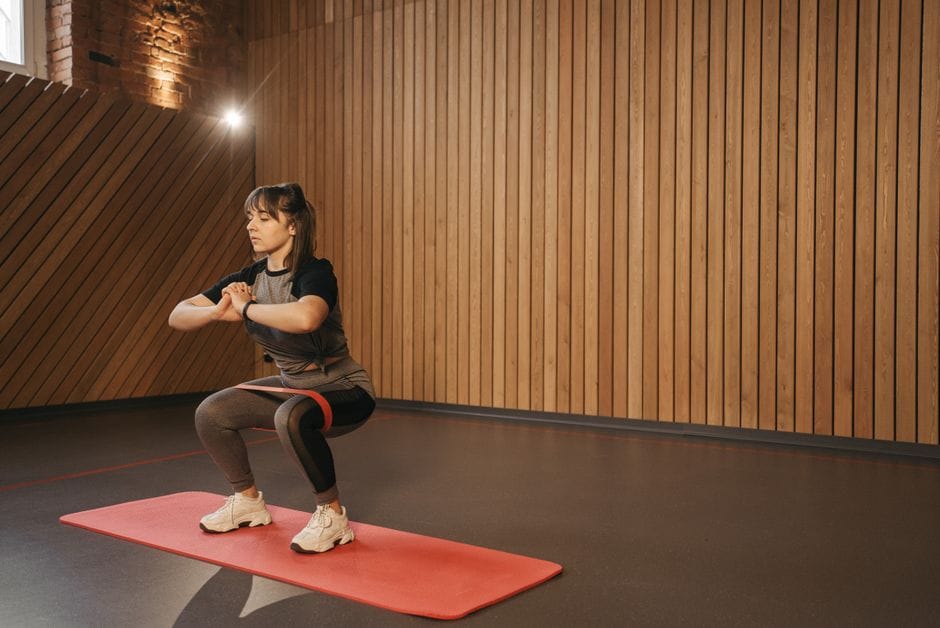
- Banded squats — 3 × 12
- Banded glute bridges — 3 × 15
- Band rows (anchor the band) — 3 × 12
- Banded shoulder press — 3 × 12
- Lateral band walks — 3 × 10 per side
For a complete beginner plan, see our how to start working out at home guide.
Frequently asked questions
Can you build muscle with resistance bands?
Yes. Muscles respond to tension and progressive overload, not just heavy iron. With enough resistance and consistent progression, bands genuinely build strength and muscle — especially for beginners.
Are resistance bands good for beginners?
They're one of the best tools for beginners — low injury risk, easy on the joints, and they scale with you as you get stronger.
How long do resistance bands last?
Quality fabric bands last for years. Cheaper latex bands may need replacing every several months with heavy use. Always inspect bands for tears before use for safety.
What resistance level should I start with?
Buy a set with light, medium, and heavy options so you can pick the right tension for each exercise and progress over time. Start lighter than you think and focus on good form.
The bottom line
For most people, a fabric booty band set is the best all-round choice — comfortable, durable, and versatile. On a tight budget, grab a classic latex loop set. Chasing serious strength or pull-ups? Go with heavy assist bands.
New to home workouts? Read our beginner's guide to working out at home next, or pair your bands with our full-body dumbbell workout.
Read next

Related articles
- Best Cheap Cardio Equipment for Small Spaces (No Treadmill)
- Home Gym Setup Ideas for Beginners
- Small Space Home Gym Ideas: Set One Up in Any Apartment
- Pilates for Beginners: The Complete Guide to Starting at Home
- The Best Glute Workout at Home (No Equipment Needed)
- HIIT Workouts for Beginners: A Complete Guide
Further reading & trusted sources
Where beginners usually go wrong
Bands feel easy at first then surprisingly hard at full stretch — that variable tension is the point, not a flaw. A set of varying strengths beats one band, since you’ll outgrow the light ones fast.
Maya’s editorial obsession is the gap between fitness hype and what the evidence actually shows — she’d rather hand you one boring habit that works than ten exciting ones that don’t. She builds FitNourish’s guides from mainstream, well-established sources (the CDC, the NHS, Mayo Clinic, and peer-reviewed research) and has a human review every one for accuracy before it publishes. She and the team are dedicated fitness enthusiasts and researchers, not doctors, so everything here is general information rather than medical advice. AI tools help with the research and drafting; the fact-checking and judgement are human.