 By Maya Reed, Editor
Reviewed & updated September 2026 · Researched, AI-assisted & human-reviewed
Educational information only — not medical advice. Learn more
As an Amazon Associate, we earn from qualifying purchases. This article is for general information and is not medical advice.
If your muscles feel tight, knotted, or sore after training, a foam roller is the cheapest recovery tool that actually earns its keep. A few minutes of rolling can ease stiffness, improve how a muscle feels, and help you move better before and after a workout.
But foam rollers aren't all the same. Density, texture, length, and even vibration change how one feels and who it suits. Roll on something too aggressive too soon and you'll hate it; too soft and you'll feel nothing. Below are our top picks, who each is best for, and a buying guide so you choose the right firmness the first time.
 Skip ahead toCurated by Maya · 6 min read
Why a foam roller is worth it
Foam rolling is a form of self-massage. Applying gentle, sustained pressure to a muscle can reduce the sensation of tightness and temporarily improve your range of motion, which is why so many people roll before stretching or after a hard session. It won't replace rest, sleep, or good nutrition — but as a cheap, do-it-anywhere recovery tool, it's one of the best-value buys in fitness.
Our top picks
| Category | Our pick | Best for |
|---|---|---|
| 🏆 Best overall | Medium-Density Textured Roller | Most people, from beginner to experienced |
| 💸 Best budget | Smooth High-Density Roller | Beginners and anyone on a budget |
| 💪 Best for deep work | Vibrating Foam Roller | Experienced users and deep recovery sessions |
🏆 Best overall: Medium-Density Textured Roller
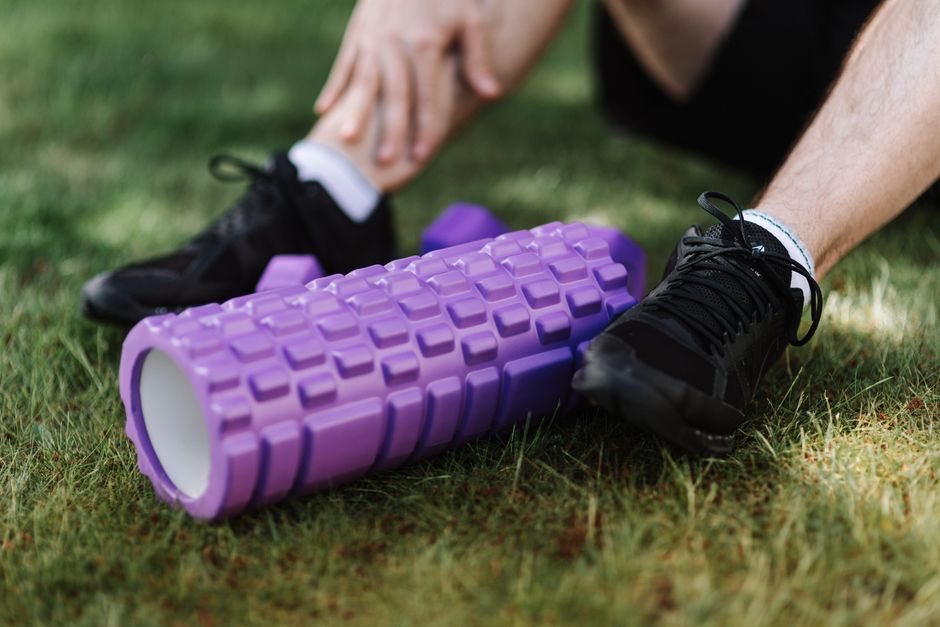
A medium-density roller with a moulded, textured surface hits the sweet spot for most people — firm enough to work into tight muscles, gentle enough that beginners can tolerate it. The ridges help target specific spots.
- Best for: Most people, from beginner to experienced.
- Pros: Versatile firmness, grippy texture, durable.
- Cons: Texture can feel intense on very sore areas at first.
💸 Best budget: Smooth High-Density Roller
A simple smooth, high-density foam cylinder is inexpensive, nearly indestructible, and perfect for learning the basics. No bumps, no fuss.
- Best for: Beginners and anyone on a budget.
- Pros: Cheap, firm, long-lasting, easy on sensitive areas.
- Cons: Less targeted than a textured roller.
💪 Best for deep work: Vibrating Foam Roller
A vibrating roller adds motorised pulses on top of pressure, which many people find helps tight muscles relax faster. It's the premium pick for serious trainers or anyone with stubborn knots.
- Best for: Experienced users and deep recovery sessions.
- Pros: Multiple intensity settings, effective on stubborn tightness.
- Cons: Pricier; needs charging.
A few more options worth knowing
Beyond our top three, a few other styles suit specific needs (no links — just so you know what's out there):
- Short/travel rollers fit in a gym bag and are great for calves, forearms, and travel.
- Foam roller balls target small, specific spots like glutes, feet, and shoulders.
- Grid-pattern rollers mimic a massage therapist's hands with raised and flat zones.
- Soft rollers suit beginners, older adults, and anyone very sensitive to pressure.
Buying guide: how to choose a foam roller
Pick the right firmness. Beginners and sensitive users should start softer or medium; experienced trainers who want deeper pressure can go firmer. You can always grip a softer roller harder, but you can't make a brick-firm one gentle.
Smooth vs. textured. Smooth rollers spread pressure evenly and are forgiving — best for beginners. Textured rollers target specific knots more aggressively — best once you're used to rolling.
Size matters. A full-length roller (about 90 cm / 36 in) is the most versatile and lets you roll your back lying down. Shorter rollers are more portable and easier to control on limbs.
Vibration is a nice-to-have, not essential. A plain roller works well; vibration is a comfort and convenience upgrade, not a requirement.
How to use it: a quick recovery routine
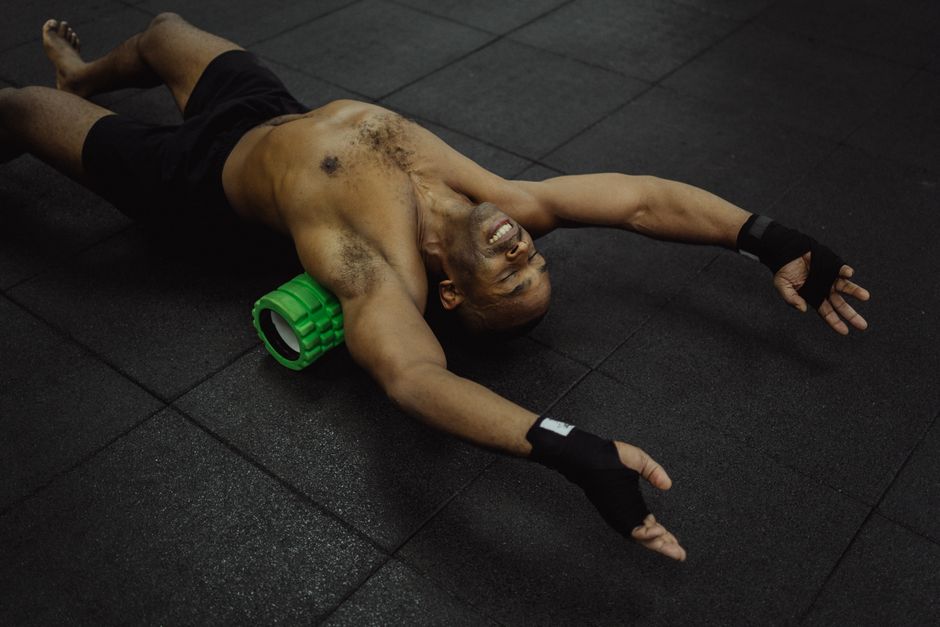
Roll slowly — about one inch per second — and pause on tight spots for 20–30 seconds. Breathe and relax into it; never roll directly on a joint or your lower back's bony spine.
- Calves — 30 seconds each leg
- Quads — 30 seconds each leg
- Hamstrings — 30 seconds each leg
- Upper back — 30–45 seconds
- Glutes — 30 seconds each side
Pair recovery with good sleep — see why sleep is the secret weapon of fitness — and the best foods for muscle recovery.
Frequently asked questions
Does foam rolling actually work?
Foam rolling can reduce the sensation of muscle tightness and temporarily improve range of motion, which helps many people feel and move better. It's a useful recovery and warm-up aid, not a cure for injuries.
Should I foam roll before or after a workout?
Both work. Rolling before can improve mobility for your warm-up; rolling after may ease post-workout tightness. Keep it brief and gentle either way.
Is foam rolling supposed to hurt?
It should feel like a firm, tolerable "good" pressure — not sharp pain. If it's genuinely painful, ease off, use a softer roller, or avoid that area and consider seeing a professional.
How often should I foam roll?
Daily is fine for most people, a few minutes at a time. Listen to your body and avoid aggressive rolling on very sore or injured areas.
The bottom line
For most people, a medium-density textured roller is the best all-round choice — versatile, durable, and effective. On a budget, a smooth high-density roller does the job for less. Chasing deeper relief? A vibrating roller steps it up.
Recover smarter: read why sleep is the secret weapon of fitness and the best foods for muscle recovery next.
Read next
Related articles
- Best Cheap Cardio Equipment for Small Spaces (No Treadmill)
- 9 Gentle Stretches to Relieve Lower Back Pain
- 7 Best Protein Powders for Beginners in 2026 (Honest Guide)
- 8 Best Adjustable Dumbbells for Small Spaces in 2026
- 7 Best Resistance Bands for Home Workouts (2026)
- Sauna and Cold Therapy: What the Research Says
Further reading & trusted sources
The part that actually matters
A firmer roller does more once you’re used to it, but start softer if you’re new or it’ll just hurt and you won’t use it. Consistency on an easy roller beats a hardcore one gathering dust.
Maya’s editorial obsession is the gap between fitness hype and what the evidence actually shows — she’d rather hand you one boring habit that works than ten exciting ones that don’t. She builds FitNourish’s guides from mainstream, well-established sources (the CDC, the NHS, Mayo Clinic, and peer-reviewed research) and has a human review every one for accuracy before it publishes. She and the team are dedicated fitness enthusiasts and researchers, not doctors, so everything here is general information rather than medical advice. AI tools help with the research and drafting; the fact-checking and judgement are human.