 By Maya Reed, Editor
Reviewed & updated September 2026 · Researched, AI-assisted & human-reviewed
Educational information only — not medical advice. Learn more
As an Amazon Associate, we earn from qualifying purchases. This article is informational and not medical advice — talk to your doctor before adding supplements, especially if you have any health condition.
Most people chasing muscle eat far less protein than they assume — often half the roughly 0.7g per pound of bodyweight that research links to recovery. Powder isn’t magic; it’s just the easiest way to close that gap without choking down a fifth chicken breast. The hard part is the wall of tubs, half of them chalky or padded with filler.
Here's a beginner-friendly breakdown of our top protein powder picks, what type suits you, and how to choose without overthinking it.
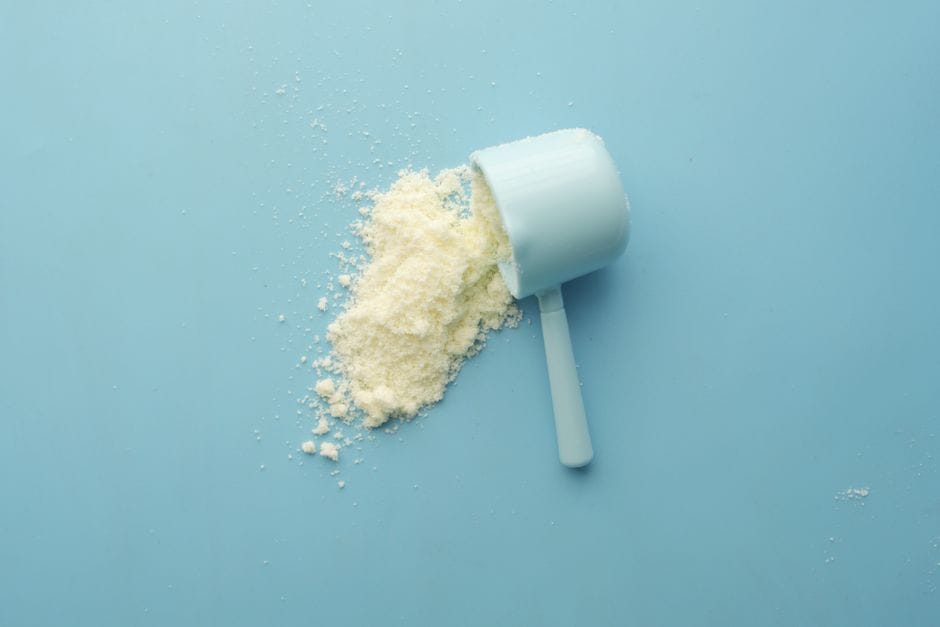 Skip ahead toCurated by Maya · 5 min read
Do beginners even need protein powder?
You don't need it — you can get protein from food. But most people struggle to eat enough (roughly 0.7–1 g per pound of body weight if you're training). A scoop or two fills the gap fast, cheaply, and without cooking. That's the whole appeal. For your full target, see our how much protein do you need guide.
Our top picks
| Category | Our pick | Best for |
|---|---|---|
| 🏆 Best overall | Whey Protein Isolate | Most people who tolerate dairy |
| 🌱 Best plant-based | Pea & Rice Protein Blend | Vegans and the lactose-sensitive |
| 💸 Best value | Whey Concentrate Tub | Budget-focused beginners |
🏆 Best overall: Whey Protein Isolate
Whey isolate is filtered to be higher in protein and lower in carbs, fat, and lactose than regular whey. It mixes smoothly, tastes great, and digests quickly — ideal post-workout.
- Best for: Most people who tolerate dairy.
- Pros: High protein per scoop, low lactose, fast absorbing, great taste.
- Cons: Pricier than concentrate.
🌱 Best plant-based: Pea & Rice Protein Blend
A complete amino acid profile without any dairy. Great for vegans or anyone whose stomach doesn't love whey.
- Best for: Vegans and the lactose-sensitive.
- Pros: Dairy-free, gut-friendly, complete protein.
- Cons: Slightly grittier texture than whey.
💸 Best value: Whey Concentrate Tub
The most affordable way to get quality protein. Slightly higher in carbs and lactose than isolate, but excellent bang for your buck.
- Best for: Budget-focused beginners.
- Pros: Cheapest per serving, tastes good, widely available.
- Cons: More lactose; not ideal if dairy upsets you.
A few more options worth knowing
Beyond the top three, these specialised types suit specific needs (no links — just so you know they exist):
- Casein protein digests slowly — some people take it before bed for overnight recovery.
- Grass-fed whey often has cleaner ingredient lists and no artificial sweeteners.
- Meal-replacement protein is higher in calories and added nutrients for on-the-go meals.
- Clear whey isolate is a refreshing, juice-like alternative to a creamy shake.

How to choose a protein powder
Whey vs. plant: If you tolerate dairy, whey wins on taste, price, and mixing. If you're vegan or dairy-sensitive, a pea/rice blend is your best bet.
Isolate vs. concentrate: Isolate is purer (more protein, less lactose/carbs) but costs more. Concentrate is cheaper and great for most beginners.
Check the label: Aim for ~20–25 g protein per scoop, a short ingredient list, and a flavour with good reviews. Watch for excessive added sugar.
Flavour tip: Vanilla and chocolate are the safest first buys — they mix into oats, smoothies, and coffee easily.
How to use it
- Have it post-workout or any time you're short on protein for the day.
- Mix one scoop with water or milk; add to smoothies, oats, or yogurt.
- One to two scoops a day is plenty for most beginners — it's a supplement, not a replacement for real food.
Frequently asked questions
Will protein powder make me bulky?
No. Protein supports muscle repair; it doesn't automatically add size. Building noticeable muscle takes consistent training and enough total calories over time.
Is protein powder safe?
For healthy adults, quality protein powder is generally safe. If you have kidney issues or any medical condition, check with your doctor first.
When should I take protein powder?
Timing matters less than your total daily protein. Post-workout or whenever convenient both work fine — consistency across the day is what counts.
Whey or plant protein — which is better?
If you tolerate dairy, whey generally wins on taste, cost, and how smoothly it mixes. If you're vegan or dairy-sensitive, a pea-and-rice blend is an excellent, complete alternative.
The bottom line
For most beginners, a whey isolate is the best all-rounder — clean, tasty, and effective. Prefer plant-based? Go with a pea & rice blend. On a budget? A whey concentrate delivers great value.
New to training? Start with our beginner's home workout guide, and learn exactly how much protein you need.
Read next



Related articles
- Best Pre-Workout Supplements for Beginners (What Actually Works)
- What to Eat After a Workout (and When It Actually Matters)
- Gut Microbiome and Health: What the Research Says
- 6 Best Foam Rollers for Recovery (2026)
- 7 Best Kettlebells for Home Workouts (2026)
- How Much Water Should You Drink? A Simple, Honest Guide
Further reading & trusted sources
A common mistake to skip
Protein powder is just convenient food, not magic — pick one you’ll actually drink that hits your protein target. The fanciest blend you won’t finish is worse than a plain one you will.
Maya’s editorial obsession is the gap between fitness hype and what the evidence actually shows — she’d rather hand you one boring habit that works than ten exciting ones that don’t. She builds FitNourish’s guides from mainstream, well-established sources (the CDC, the NHS, Mayo Clinic, and peer-reviewed research) and has a human review every one for accuracy before it publishes. She and the team are dedicated fitness enthusiasts and researchers, not doctors, so everything here is general information rather than medical advice. AI tools help with the research and drafting; the fact-checking and judgement are human.