 By Maya Reed, Editor
Reviewed & updated September 2026 · Researched, AI-assisted & human-reviewed
Educational information only — not medical advice. Learn more
This article is for general educational purposes and is not medical advice. If you have an injury, are pregnant, or have any health condition, talk to your doctor before starting yoga, and consider working with a qualified instructor.
Yoga has a reputation for being either intimidatingly bendy or impossibly serene — and neither is true. At its heart, yoga is simply a practice of gentle movement, stretching, and breathing that builds flexibility, strength, balance, and calm. You don't need to be flexible to start (that's what yoga is for), and you don't need any special talent — just a mat and a willingness to begin.
This beginner's guide explains what yoga can do for you, the few things you need to start, beginner-friendly poses, and how to build a simple home practice.
Quick navigationCurated by Maya · 7 min readWhat yoga does for you
Yoga is one of the most well-rounded practices you can add to your routine. Regular practice can help with:
- Flexibility and mobility — gently loosening tight muscles and stiff joints.
- Strength — many poses build real strength, especially in the core, legs, and upper body.
- Balance and posture — improving stability and helping you stand and move better.
- Stress relief — the focus on slow, deliberate breathing calms the nervous system and lowers stress.
- Recovery — gentle yoga is a great active-recovery option between harder workouts.
- Body awareness — tuning you into how your body feels and moves.
It's also wonderfully accessible: you can practice at any age or fitness level, and you can make it as gentle or as challenging as you like.
What you need to start
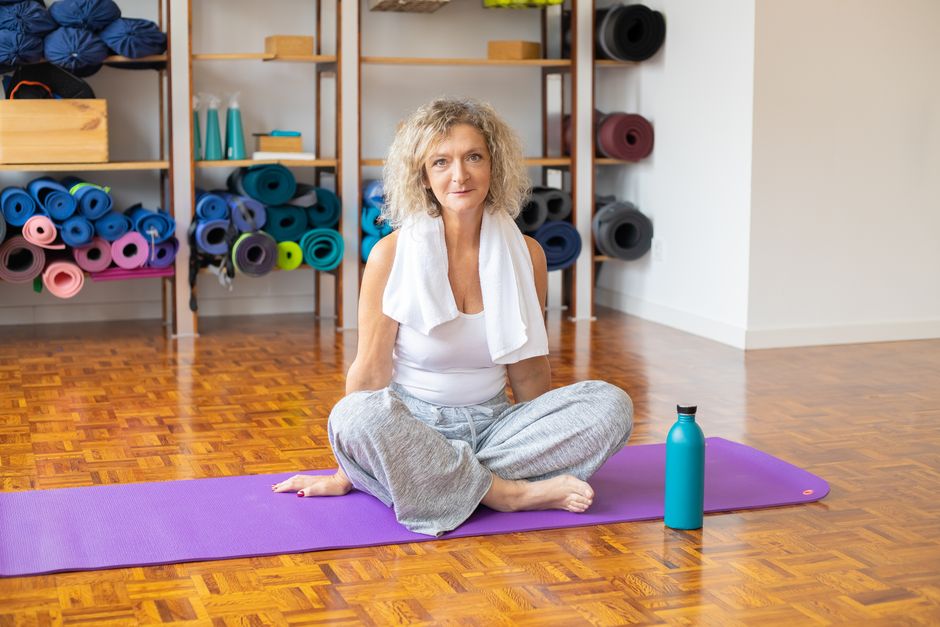
One of yoga's best features is how little gear it requires:
- A yoga mat — the one essential. It gives you grip and cushioning. (See our roundup of the best yoga mats.)
- Comfortable clothing you can stretch and move in.
- A quiet space big enough to lie down and stretch your arms out.
- Optional props — a yoga block and strap can help beginners ease into poses, but you can start without them (a sturdy book and a belt work as substitutes).
That's it. No membership, no machines.
Beginner-friendly yoga poses
Here are some gentle, foundational poses to begin with. Move slowly, breathe deeply, and never force a stretch into pain — mild tension is good, sharp pain is not.
Mountain Pose (Tadasana)
Stand tall, feet together, arms at your sides, weight balanced. It looks simple, but it teaches good posture and is the foundation for standing poses.
Cat–Cow
On hands and knees, alternate between arching your back up (cat) and gently dipping it down (cow), moving with your breath. Wonderful for spine mobility.
Child's Pose (Balasana)
Kneel and sit back onto your heels, reaching your arms forward on the mat. A soothing resting pose you can return to anytime.
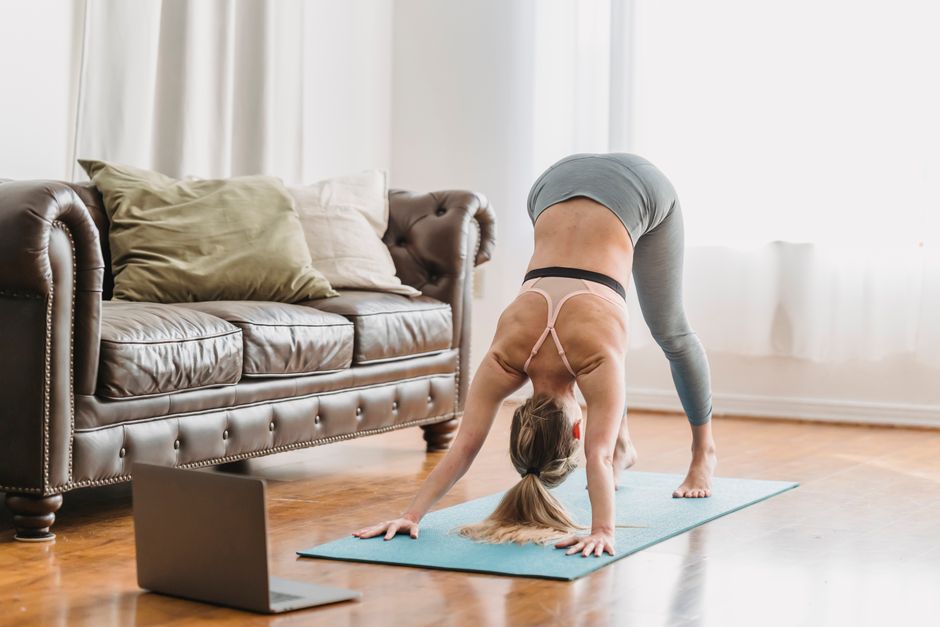
Downward-Facing Dog
From hands and knees, lift your hips up and back into an inverted "V." Stretches the whole back of your body. Bend your knees as much as you need to as a beginner.
Warrior I & II
Strong, grounded standing poses with a bent front knee. They build leg strength, balance, and confidence.
Cobra Pose
Lying on your stomach, gently press up to lift your chest. A gentle backbend that counters all the forward hunching of daily life.
Seated Forward Fold
Sitting with legs extended, fold forward with a long spine. Stretches the hamstrings and lower back.
Corpse Pose (Savasana)
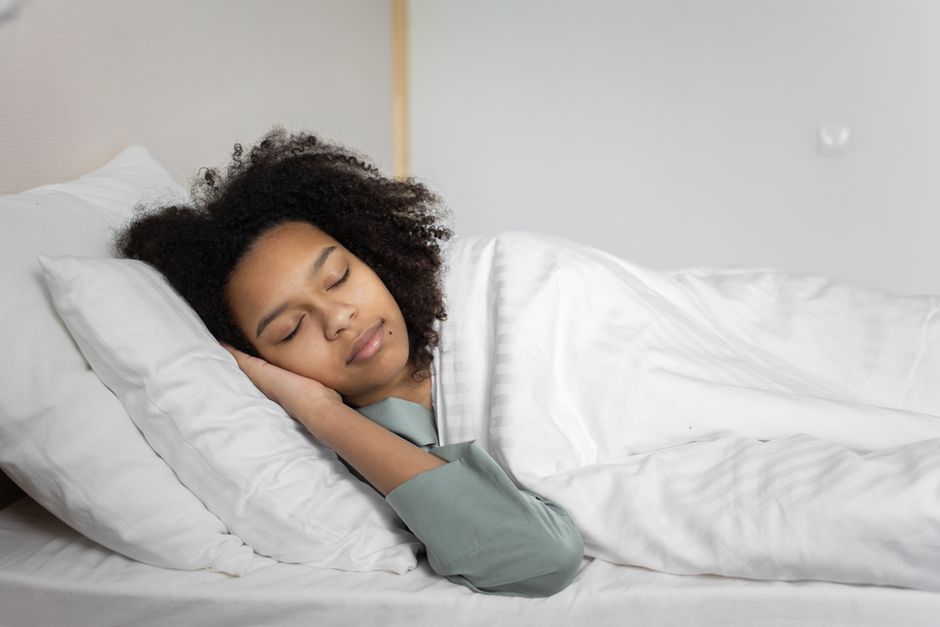
Lie flat on your back, completely relaxed, for a few minutes at the end. This is where you absorb the practice — don't skip it.
How to build a simple home practice
You don't need 90-minute sessions. A short, consistent practice beats an occasional marathon.
- Start with 10–15 minutes, 2–3 times a week. Build from there.
- Follow along with a video. Free beginner yoga videos are everywhere — they guide you through poses and breathing so you're never guessing.
- Warm up gently with Cat–Cow and a few easy stretches.
- Move with your breath — slow inhales and exhales, never holding your breath.
- End with relaxation (Child's Pose or Savasana) to wind down.
- Be consistent. A little yoga often is far better than a lot rarely.
Breathing: the heart of yoga
What separates yoga from plain stretching is the breath. Slow, deep, deliberate breathing calms your nervous system and is a huge part of yoga's stress-relieving benefits. A simple practice: inhale slowly through your nose for a count of four, exhale gently for a count of four. Let your breath guide your movement.
Common beginner mistakes
- Forcing flexibility. Yoga improves flexibility over time — don't yank yourself into poses. Ease in gently.
- Holding your breath. Keep breathing slowly and steadily throughout.
- Comparing yourself to others. Everyone's body is different. Your practice is yours alone.
- Skipping relaxation. Savasana at the end isn't optional fluff — it's part of the practice.
- Giving up too soon. Flexibility and ease build gradually. Stick with it for a few weeks before judging.
Frequently asked questions
Do I need to be flexible to start yoga?
No — this is the biggest myth. Yoga builds flexibility; you don't need it to begin. Everyone starts stiff, and you'll loosen up with practice.
How often should a beginner do yoga?
Two to three times a week, even just 10–15 minutes, is a great starting point. Consistency matters more than duration.
Is yoga a good workout?
It can be. Gentle yoga is excellent for flexibility and relaxation, while more active styles (like power yoga or vinyasa) build real strength and get your heart rate up. It pairs beautifully with strength training.
Can yoga help with back pain?
Many people find gentle yoga helps ease everyday back tension by improving flexibility and posture. If you have specific back pain, see our stretches for lower back pain and check with a professional first.
The bottom line
Yoga is a simple, accessible practice that builds flexibility, strength, balance, and calm — and you can start today with nothing but a mat. Begin with short, gentle sessions a few times a week, follow a beginner video, breathe deeply, and be patient with yourself. Over a few weeks, you'll feel looser, stronger, and noticeably more relaxed.
Roll out a mat, start with 10 minutes, and just breathe. 🧘
Read next
Related articles
- The Best Full-Body Dumbbell Workout (For Home or Gym)
- 7 Best Resistance Bands for Home Workouts (2026)
- Mobility Exercises for Beginners: A Simple Daily Routine
- Home Gym Setup Ideas for Beginners
- Small Space Home Gym Ideas: Set One Up in Any Apartment
- Pilates for Beginners: The Complete Guide to Starting at Home
Further reading & trusted sources
Worth knowing before you start
Beginners progress fastest with short, regular sessions — ten minutes most days beats one long class a week. Comparing your flexibility to anyone else’s is the fastest way to quit; it’s a practice, not a performance.
Maya’s editorial obsession is the gap between fitness hype and what the evidence actually shows — she’d rather hand you one boring habit that works than ten exciting ones that don’t. She builds FitNourish’s guides from mainstream, well-established sources (the CDC, the NHS, Mayo Clinic, and peer-reviewed research) and has a human review every one for accuracy before it publishes. She and the team are dedicated fitness enthusiasts and researchers, not doctors, so everything here is general information rather than medical advice. AI tools help with the research and drafting; the fact-checking and judgement are human.