 By Maya Reed, Editor
Reviewed & updated September 2026 · Researched, AI-assisted & human-reviewed
Educational information only — not medical advice. Learn more
This article is for general educational purposes and is not medical advice. If you have a sleep disorder or ongoing sleep problems, please talk to your doctor.
You can have the perfect workout plan and a spot-on diet, but if you're sleeping five hours a night, you're leaving most of your results on the table. Sleep is the most underrated, most overlooked tool in all of fitness — and it's completely free.
While you sleep, your body does the real work: repairing muscle, balancing hormones, restoring energy, and consolidating everything you did during the day. Skimp on it and your progress stalls, your cravings spike, and your workouts suffer. This guide explains exactly why sleep matters so much for your fitness — and how to get more and better sleep.
Jump to a sectionCurated by Maya · 7 min readWhy sleep is so important for fitness
Sleep isn't "doing nothing" — it's when your body actively rebuilds. Here's what's at stake:
1. Muscle repair and growth. During deep sleep, your body releases the bulk of its growth and repair hormones. This is when the muscle fibers you challenged in the gym actually get repaired and rebuilt stronger. Poor sleep measurably reduces muscle gain — and can even cause muscle loss when dieting.
2. Fat loss and appetite control. Lack of sleep throws your hunger hormones out of balance — raising the ones that make you hungry and lowering the ones that make you feel full. The result: stronger cravings (especially for sugar and junk), more snacking, and a much harder time staying in a calorie deficit. Studies consistently show people lose more fat and less muscle when they sleep well.
3. Performance and energy. Sleep restores your energy and focus. Well-rested, you lift more, run faster, and push harder. Sleep-deprived, your strength, endurance, reaction time, and motivation all drop.
4. Recovery and injury prevention. Tired muscles and a tired nervous system recover slowly and get injured more easily. Good sleep keeps you healthy enough to train consistently — which is what actually drives results.
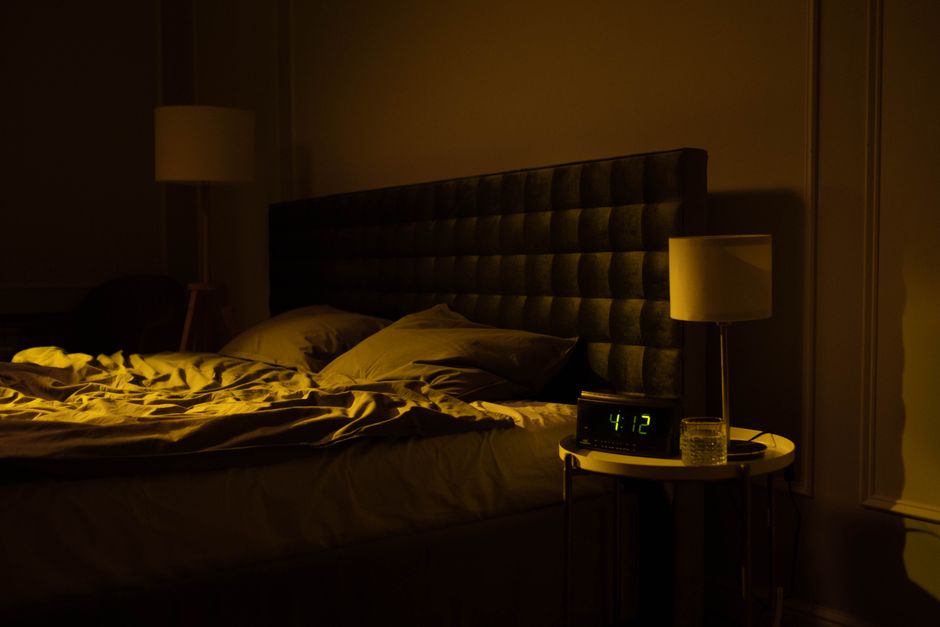
How much sleep do you actually need?
For most adults, the sweet spot is 7–9 hours per night. Active people and those training hard often do best at the higher end, because their bodies have more to repair.
It's not just about quantity, though — quality matters too. Waking up frequently, or sleeping at wildly different times each night, undermines the restorative deep-sleep stages even if the total hours look okay.
How to sleep better: a practical checklist
The good news is that better sleep is mostly about a few simple habits, repeated consistently.
Keep a consistent schedule
Go to bed and wake up at roughly the same time every day — even on weekends. A regular rhythm is one of the most powerful things you can do for sleep quality. Your body thrives on predictability.
Get morning light
Exposure to natural light early in the day helps set your internal clock, making it easier to fall asleep that night. A few minutes outside in the morning goes a long way.
Wind down before bed
Give yourself a 30–60 minute buffer to relax before sleep. Dim the lights, read, stretch, or do something calming. Don't go straight from a stimulating screen to trying to sleep.
Cut screens (or at least brightness) before bed
The bright light and constant stimulation of phones and TVs make it harder to fall asleep. Put screens away 30 minutes before bed, or at least dim them and use night mode.
Make your room dark, cool, and quiet
- Dark: blackout curtains or an eye mask. Even small amounts of light disrupt sleep.
- Cool: a slightly cool room (around 18°C / 65°F for many people) promotes deeper sleep.
- Quiet: earplugs or a white-noise machine if noise is an issue.
Watch caffeine and alcohol
- Caffeine can stay in your system for many hours — avoid it in the afternoon and evening if you're sensitive.
- Alcohol might make you drowsy, but it badly disrupts the quality of your sleep later in the night.
Don't eat a huge meal right before bed
A very large or heavy meal late at night can disrupt sleep. A light snack is fine if you're hungry.

Does exercise help you sleep?
Yes — and it's a virtuous cycle. Regular exercise helps you fall asleep faster and sleep more deeply, while good sleep makes your workouts better. One tip: for some people, intense exercise too close to bedtime can be stimulating, so if you struggle to wind down, try finishing hard workouts a few hours before bed.
What about naps?
A short nap (20–30 minutes) can be a great energy boost and won't hurt your night's sleep. Avoid long or late-afternoon naps, though, as they can make it harder to fall asleep at night.
Frequently asked questions
Can lack of sleep stop me from building muscle?
Yes. Deep sleep is when most muscle repair and growth-hormone release happens. Chronically poor sleep reduces muscle gain and slows recovery, even if your training and nutrition are on point.
Does sleep affect weight loss?
Significantly. Poor sleep increases hunger and cravings and makes it harder to stick to a calorie deficit. Research shows well-rested dieters lose more fat and preserve more muscle.
Is it better to sleep more or work out more?
If you're consistently under-slept, getting more sleep will often do more for your results than adding another workout. Recovery is part of training — not separate from it.
How can I fall asleep faster?
Keep a consistent schedule, get morning light, wind down without screens for 30+ minutes, and keep your room dark and cool. Consistency is the key — these habits compound over time.
The bottom line
Sleep is the quiet engine behind every fitness goal — building muscle, losing fat, recovering, and performing. It's free, it's powerful, and most people simply don't get enough. Prioritise 7–9 hours of consistent, quality sleep and you'll see the payoff across your whole routine.
Pair great sleep with solid recovery nutrition and a few small daily health habits, and you've got the recovery side of fitness fully covered.
Read next

Related articles
- Mobility Exercises for Beginners: A Simple Daily Routine
- How to Stay Motivated to Work Out (And Build Habits That Last)
- The Best Foods for Muscle Recovery After Training
- 15 Tiny Daily Habits That Quietly Transform Your Health
- 9 Gentle Stretches to Relieve Lower Back Pain
- Sauna and Cold Therapy: What the Research Says
Further reading & trusted sources
A common mistake to skip
Sleep is where the body actually adapts to training — short sleep measurably blunts progress and recovery. People optimise their workout and diet while ignoring the one free lever that affects both.
Maya’s editorial obsession is the gap between fitness hype and what the evidence actually shows — she’d rather hand you one boring habit that works than ten exciting ones that don’t. She builds FitNourish’s guides from mainstream, well-established sources (the CDC, the NHS, Mayo Clinic, and peer-reviewed research) and has a human review every one for accuracy before it publishes. She and the team are dedicated fitness enthusiasts and researchers, not doctors, so everything here is general information rather than medical advice. AI tools help with the research and drafting; the fact-checking and judgement are human.