 By Maya Reed, Editor
Reviewed & updated September 2026 · Researched, AI-assisted & human-reviewed
Educational information only — not medical advice. Learn more
This article is for general information and inspiration, not medical advice.
The people still strong and sharp at 70 rarely got there with a heroic transformation. They got there with boring consistency — water first thing, a short walk after dinner, lights out at a sane hour — repeated for decades. Here are 15 of those small habits, each tiny enough to start today.
Here are 15 tiny habits that take a minute or two each but compound into real results. Pick two or three to start — don't try to do all 15 at once.
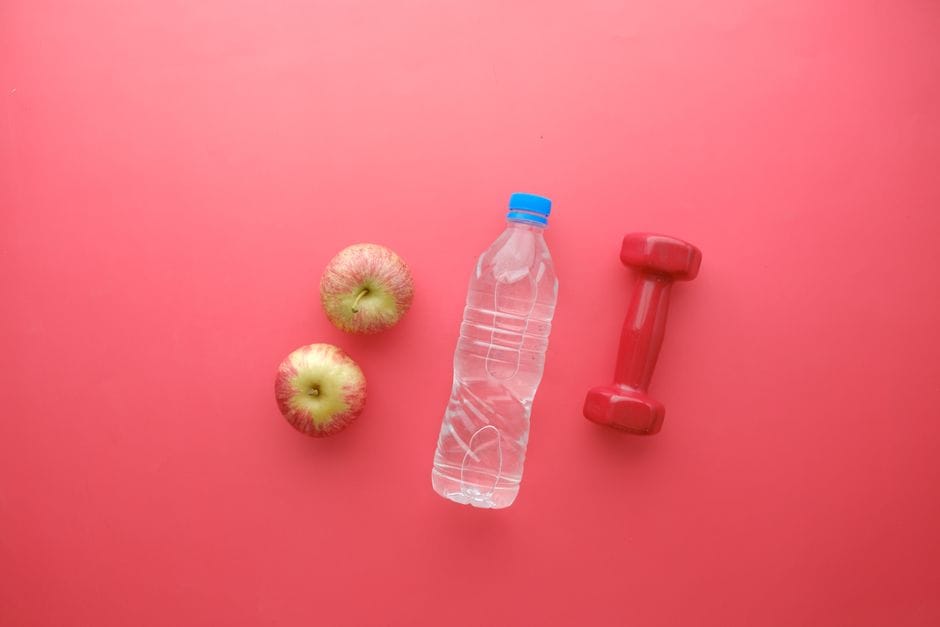 In this guideCurated by Maya · 5 min read
🌅 Morning habits
1. Drink a glass of water before anything else
You wake up mildly dehydrated. A glass of water kick-starts your energy and digestion before coffee even enters the picture. (See our hydration guide.)
2. Get sunlight in the first hour
A few minutes of morning light helps set your body clock, boosting mood and making it easier to sleep that night.
3. Do a 2-minute stretch
A quick stretch loosens stiff muscles from sleep and wakes up your body — no full workout required.
🥗 Eating habits
4. Add one extra vegetable to a meal
Don't overhaul your diet — just sneak in one more veggie a day. Tiny change, big nutritional payoff over a year.
5. Eat protein at breakfast
Protein keeps you full and steadies energy, cutting the mid-morning snack cravings. (Here's how much protein you need.)
6. Slow down and chew
Eating slower helps you notice when you're full, which naturally prevents overeating — no calorie counting needed.
7. Keep a water bottle visible
You drink more simply because it's there. Out of sight, out of mind.
🏃 Movement habits
8. Take a 10-minute walk after meals
A short post-meal walk aids digestion and helps steady blood sugar. It's one of the most underrated health habits there is.
9. Do 10 squats while the kettle boils
"Habit stacking" — attach tiny exercise to something you already do. These micro-reps add up shockingly fast.
10. Take the stairs
A free, sneaky daily workout that strengthens your legs and heart.
11. Stand up every 30–45 minutes
If you sit all day, regular standing breaks protect your back, posture, and energy. (Stiff back? Try these back-pain stretches.)

😴 Evening & mindset habits
12. Set a consistent bedtime
A regular sleep schedule improves nearly everything — energy, mood, appetite, and recovery. (See why sleep is fitness's secret weapon.)
13. Put screens away 30 minutes before bed
Less blue light and stimulation means you fall asleep faster and sleep deeper.
14. Write down one thing you're grateful for
A 30-second gratitude habit measurably lowers stress and lifts your mood over time.
15. Prep tomorrow tonight
Lay out workout clothes or pack a healthy lunch. Removing tiny bits of friction makes good choices automatic.
How to actually make these stick
- Start with just 2–3 habits, not all 15. Master them, then add more.
- Stack each new habit onto an existing routine ("after I brush my teeth, I'll…").
- Track it — tick a box daily. Don't break the chain.
- Be kind to yourself — miss a day? Just start again tomorrow. Consistency over perfection.
For a deeper dive on making habits last, see our guide on how to stay motivated.
Frequently asked questions
How long does it take to build a new habit?
It varies, but research suggests it often takes a couple of months of consistency before something feels automatic. Be patient through the early weeks.
How many habits should I start with?
Just two or three. Trying to change everything at once is the fastest way to burn out. Master a few, then add more.
Do small habits really make a difference?
Yes — health is built from hundreds of small daily choices repeated over time, not from occasional dramatic efforts. Tiny habits compound.
The bottom line
Health isn't built in dramatic bursts — it's built in tiny daily choices repeated hundreds of times. Pick a couple of these habits today, let them become automatic, and watch how much better you feel in a month.
Ready to add movement? Start with our easy beginner's home workout guide.
📌 Pin this list!
Save these 15 habits so you can come back and add a new one each week.
Read next


Related articles
- Mobility Exercises for Beginners: A Simple Daily Routine
- How to Stay Motivated to Work Out (And Build Habits That Last)
- Yoga for Beginners: A Simple Guide to Getting Started
- 9 Gentle Stretches to Relieve Lower Back Pain
- How to Build a Home Gym on a Budget (Under $200 Setup)
- How to Start Working Out at Home: A Beginner’s Guide
Further reading & trusted sources
Where beginners usually go wrong
Tiny habits stick because they’re too small to resist — one glass of water, a five-minute walk — and they compound. The common error is starting too big and quitting; shrink the habit until it’s almost effortless.
Maya’s editorial obsession is the gap between fitness hype and what the evidence actually shows — she’d rather hand you one boring habit that works than ten exciting ones that don’t. She builds FitNourish’s guides from mainstream, well-established sources (the CDC, the NHS, Mayo Clinic, and peer-reviewed research) and has a human review every one for accuracy before it publishes. She and the team are dedicated fitness enthusiasts and researchers, not doctors, so everything here is general information rather than medical advice. AI tools help with the research and drafting; the fact-checking and judgement are human.