 By Maya Reed, Editor
Reviewed & updated September 2026 · Researched, AI-assisted & human-reviewed
Educational information only — not medical advice. Learn more
This article is for general educational purposes and is not medical or nutritional advice. Talk to your doctor or a registered dietitian for guidance specific to you.
You put in the work at the gym — but here's something most people get wrong: your muscles don't get stronger during the workout. They get stronger afterward, while they recover. And what you eat after training plays a huge role in how well, and how fast, that recovery happens.
Eat the right foods and you bounce back quicker, feel less sore, and build more muscle over time. Eat poorly (or not enough) and you drag yourself through every session feeling beaten up. This guide covers exactly what to eat for recovery, why it works, and the best foods to keep on hand.
Jump to a sectionCurated by Maya · 7 min readWhat your body actually needs to recover
After a hard workout, three things are happening in your body, and food addresses all of them:
- Muscle repair. Training creates tiny tears in your muscle fibers. Your body repairs them using protein — specifically the amino acids protein breaks down into.
- Refueling. Exercise burns through your muscles' stored energy (glycogen). Carbohydrates top those stores back up so you're not running on empty next time.
- Reducing inflammation and stress. Intense exercise creates oxidative stress. Vitamins, minerals, and antioxidants from whole foods help your body manage it.
So a great recovery meal is simple: protein + carbs + colourful whole foods + plenty of water. Let's break down the best sources of each.
The best protein foods for recovery
Protein is the star of recovery — it provides the raw material to rebuild muscle. Aim for 20–40 grams in your post-workout meal.
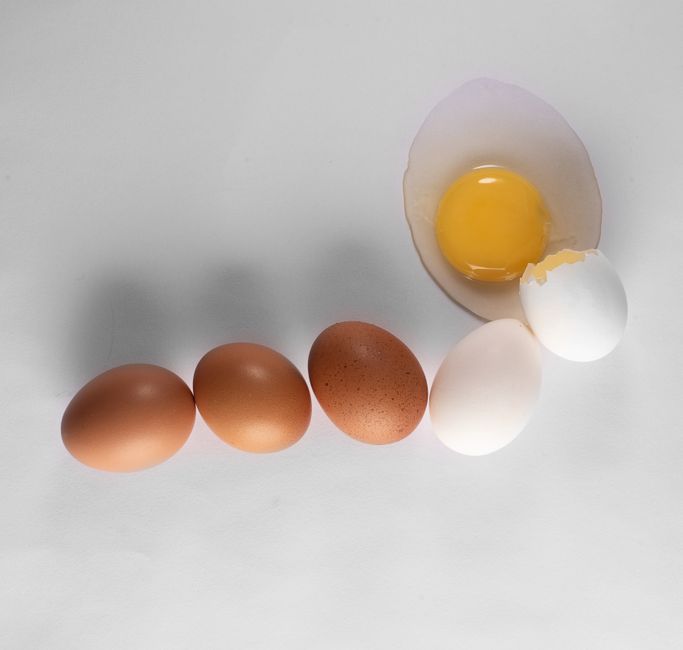
- Eggs — a near-perfect protein with all the essential amino acids, plus nutrients that support recovery.
- Chicken and turkey — lean, high-protein staples that are easy to batch-cook.
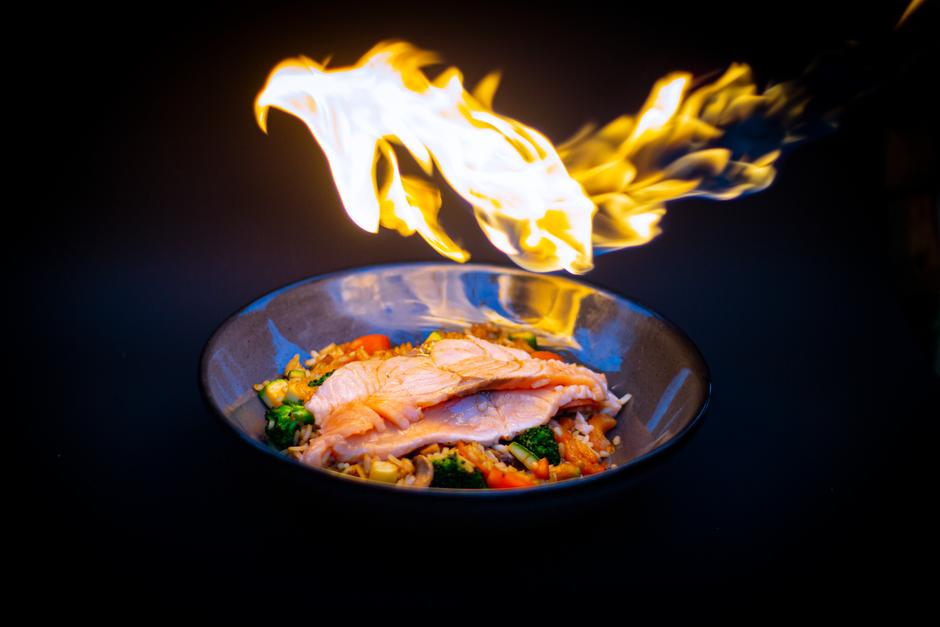
- Salmon and oily fish — protein plus omega-3 fats, which research suggests may help reduce muscle soreness and inflammation.
- Greek yogurt and cottage cheese — convenient, high in protein, and easy to eat even when you're not hungry after a hard session.
- Lean beef — protein plus iron and zinc, minerals important for energy and repair.
- Tofu, tempeh, lentils, and beans — excellent plant-based options; combine a variety to cover all amino acids.
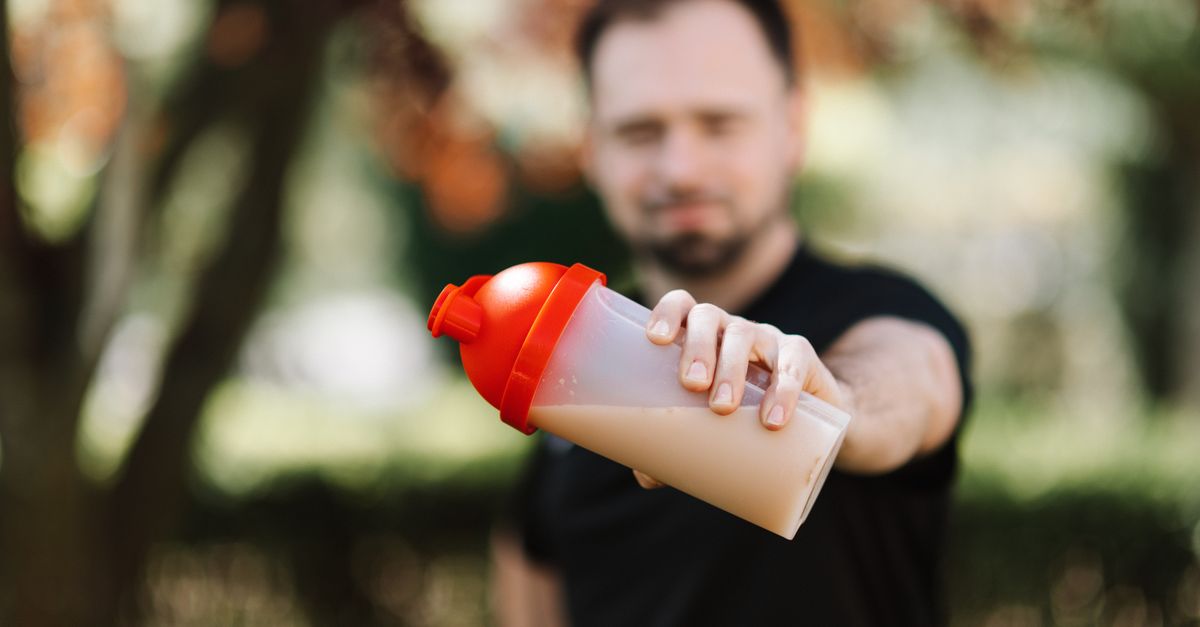
If whole food isn't practical right after training, a protein shake is a perfectly good option — fast, convenient, and easy to digest. (See our best protein powders for beginners guide.)
The best carbohydrates for refueling
Carbs replenish the energy your muscles burned. The harder and longer your session, the more they matter.
- Rice (white or brown) — easy to digest and refuels glycogen efficiently.
- Potatoes and sweet potatoes — filling, nutrient-dense, and great post-workout.
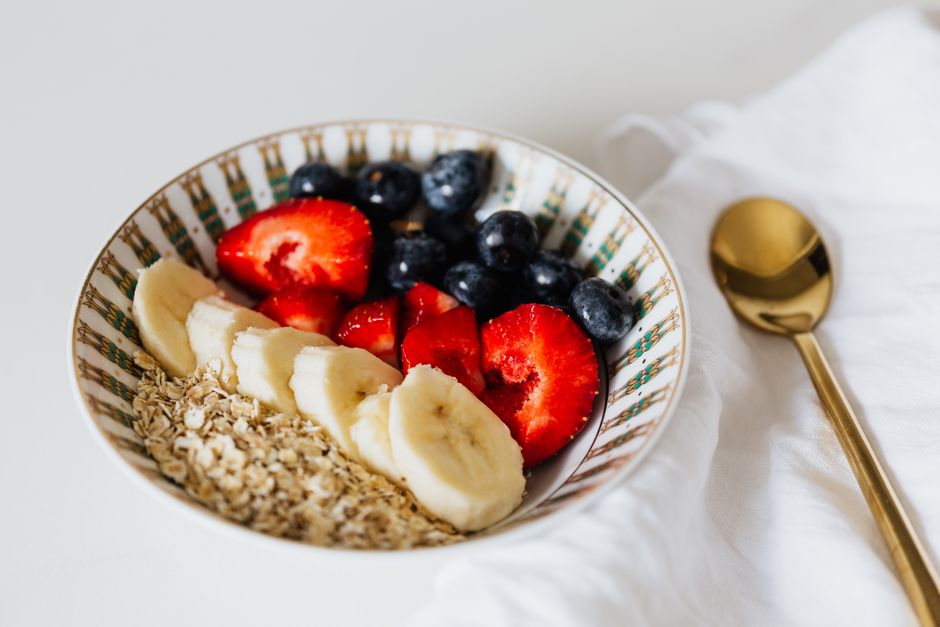
- Oats — slow-releasing carbs plus fiber; perfect in a post-workout bowl or smoothie.
- Fruit — bananas, berries, and oranges deliver fast carbs plus vitamins and antioxidants. A banana with a shake is a classic for a reason.
- Whole-grain bread or pasta — simple, accessible carb sources.
You don't need to fear carbs — around your workouts is exactly when your body uses them best.
Recovery-supporting whole foods
Beyond protein and carbs, certain foods provide nutrients that help your body manage the stress of training:
- Leafy greens (spinach, kale) — rich in vitamins and minerals like magnesium, which supports muscle function.
- Berries and cherries — packed with antioxidants; tart cherry juice in particular has been studied for reducing muscle soreness.
- Nuts and seeds — healthy fats, magnesium, and a protein boost.
- Bananas — carbs plus potassium, an electrolyte you lose through sweat.
- Beets — contain nitrates that may support blood flow and performance.
The simplest rule: eat a variety of colourful fruits and vegetables. The different colours signal different beneficial nutrients.
Don't forget hydration
Water is the most overlooked recovery tool. Your muscles are roughly 75% water, and you lose fluid through sweat during every session. Even mild dehydration slows recovery and hurts performance.
- Drink water before, during, and after training.
- For long or very sweaty sessions, replace electrolytes too (sodium, potassium) — a pinch of salt and some fruit, or an electrolyte drink, does the job.
- A simple check: if your urine is pale yellow, you're well hydrated.
A simple post-workout meal formula
You don't need anything fancy. Build your recovery meal like this:
A palm of protein + a fist or two of carbs + a handful of colourful veg or fruit + water.
Real-world examples:
- Grilled chicken, rice, and steamed broccoli
- Salmon, sweet potato, and a spinach salad
- Greek yogurt with oats, berries, and a drizzle of honey
- A protein shake with a banana and a handful of oats
- Scrambled eggs on whole-grain toast with avocado
Does post-workout timing matter?
You may have heard about a "30-minute anabolic window" — the idea that you must eat immediately after training or lose your gains. For most people, this is largely a myth. Your total daily protein and calories matter far more than precise timing.
That said, eating a protein-and-carb meal within a few hours of training is a sensible habit — and if you trained fasted or have a long gap before your next meal, sooner is better. But don't stress if you can't eat the second you rack the weights.
Frequently asked questions
What should I eat immediately after a workout?
A combination of protein and carbohydrates — for example, a protein shake with a banana, or chicken with rice. This kick-starts repair and refuels your energy stores.
Do I need to eat protein right after lifting?
Helpful but not critical. Total daily protein matters most. If it's convenient, a post-workout protein source is a good habit; if not, just make sure you hit your target across the day.
What foods reduce muscle soreness?
Foods rich in omega-3s (oily fish), antioxidants (berries, tart cherries), and adequate protein and hydration all support recovery and may reduce soreness. There's no magic food — consistency across your whole diet matters most.
Are carbs necessary after a workout?
They're very helpful, especially after intense or long sessions, because they refuel your muscles' energy stores. If you train hard, don't skip them.
The bottom line
Recovery is where your results are actually built — and food is the fuel. Anchor each post-workout meal with protein to repair muscle, carbs to refuel, and colourful whole foods to support your body, and drink plenty of water. Keep it simple, eat enough, and stay consistent.
Pair good recovery nutrition with our beginner muscle-building plan and the right daily protein intake, and you've got the full picture.
Read next


Related articles
- 6 Best Creatine Supplements for Beginners (2026)
- 6 Best Massage Guns for Sore Muscles (2026)
- 6 Best Foam Rollers for Recovery (2026)
- How Much Water Should You Drink? A Simple, Honest Guide
- Healthy Eating for Weight Loss: A Simple Meal Plan Guide
- Sleep and Fitness: Why It Matters (And How to Sleep Better)
Further reading & trusted sources
The part that actually matters
Recovery food is mostly just enough protein and total calories across the day — the post-workout ‘window’ matters far less than the daily total. Chasing exotic recovery foods while under-eating overall misses the point.
Maya’s editorial obsession is the gap between fitness hype and what the evidence actually shows — she’d rather hand you one boring habit that works than ten exciting ones that don’t. She builds FitNourish’s guides from mainstream, well-established sources (the CDC, the NHS, Mayo Clinic, and peer-reviewed research) and has a human review every one for accuracy before it publishes. She and the team are dedicated fitness enthusiasts and researchers, not doctors, so everything here is general information rather than medical advice. AI tools help with the research and drafting; the fact-checking and judgement are human.