 By Maya Reed, Editor
Reviewed & updated September 2026 · Researched, AI-assisted & human-reviewed
Educational information only — not medical advice. Learn more
This article is for general educational purposes and is not medical advice. Talk to your doctor before starting a new exercise program.
Joining a gym can cost $40–$80 a month — that's $500–$1,000 a year, every year. A smart home gym pays for itself in a few months and is always open, never crowded, and zero commute. The best part? You can build a genuinely effective setup for under $200 if you buy the right things in the right order.
Here's exactly how to do it, what to buy first, and what to skip.
Jump to a sectionCurated by Maya · 5 min read- The mindset: buy versatile, skip the gimmicks
- Step 1: Start with the essentials (~$60–$90)
- Step 2: Add adjustable weight (~$80–$120)
- Step 3: Optional upgrades (when budget allows)
- Step 4: Set up your space
- A complete under-$200 starter kit
- A simple full-body workout with this kit
- Mistakes that waste money
- The bottom line
- Related articles
- Further reading & trusted sources
The mindset: buy versatile, skip the gimmicks
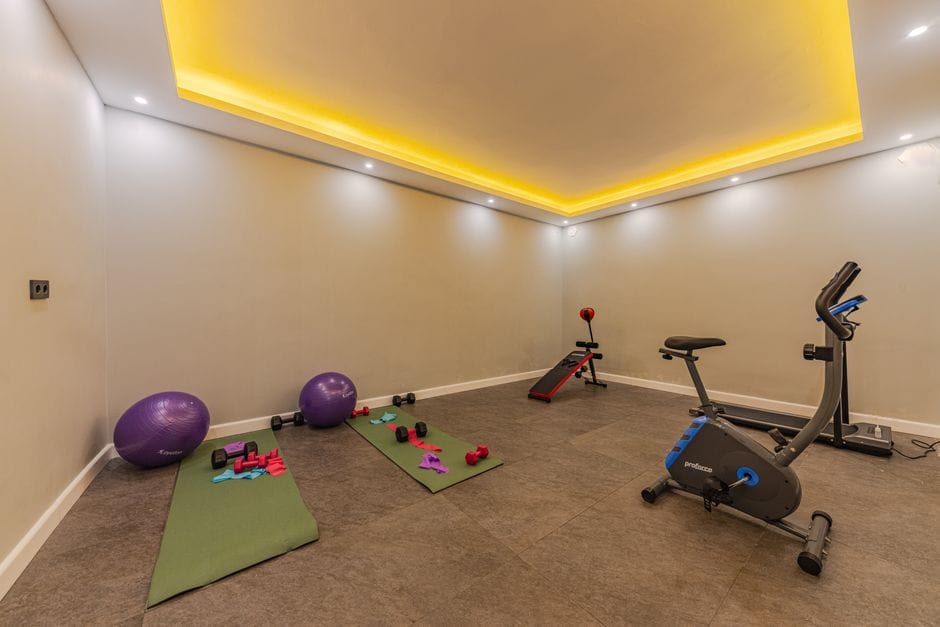
The fitness industry sells expensive single-purpose machines that gather dust. The secret to a budget home gym is choosing a few versatile tools that train your whole body. Skip the ab rollers, vibration plates, and "as seen on TV" gadgets. If $200 up front feels steep, a sinking fund lets you save for equipment a little each month without touching your budget.
Step 1: Start with the essentials (~$60–$90)
These cover 90% of effective workouts:
- Resistance bands set — the best value in fitness. Full-body strength, packs into a drawer. (See our 7 best resistance bands.)
- An exercise mat — comfort and grip for floor work and stretching.
- A doorway pull-up bar — turns any doorframe into a back-and-arm builder.
With just these three, you can train every major muscle group. (Here's a full bodyweight + bands routine to start.)
Step 2: Add adjustable weight (~$80–$120)
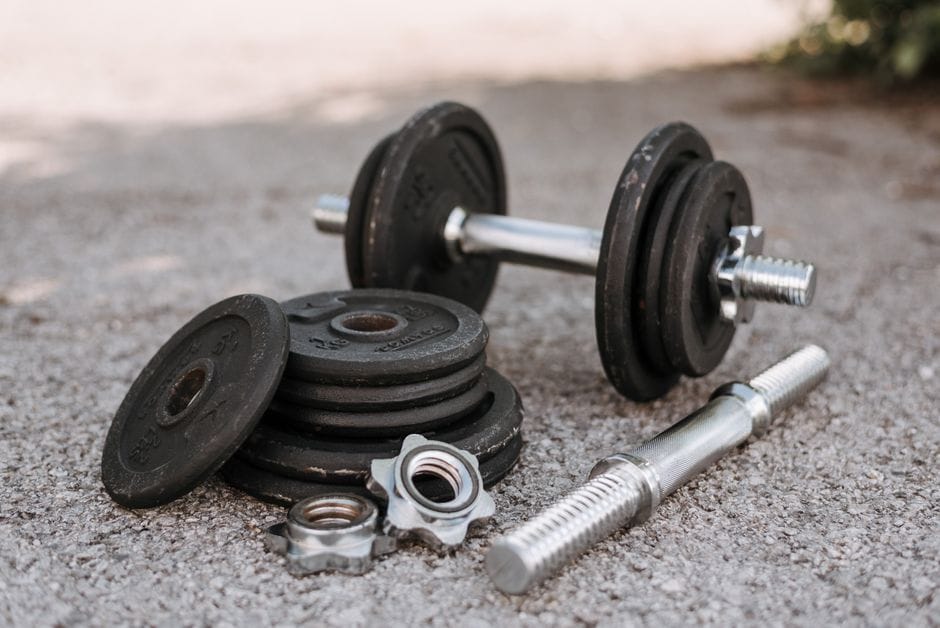
When you're ready to progress, adjustable dumbbells are the highest-impact purchase. One compact pair replaces an entire rack and grows with you. (We ranked the best adjustable dumbbells for small spaces.)
If dumbbells are out of budget for now, a single kettlebell is a fantastic, cheap alternative for swings, squats, and presses.
Step 3: Optional upgrades (when budget allows)
Add these over time, not all at once:
- Jump rope — brilliant, dirt-cheap cardio.
- Foam roller — recovery and sore-muscle relief.
- A sturdy bench — unlocks more dumbbell exercises.
- Suspension trainer — bodyweight training that anchors to a door.
Step 4: Set up your space
You need surprisingly little room:
- A 6×6 ft area is enough for most workouts.
- Lay down your mat; store bands and weights in a basket or on a small stand.
- Good lighting and a fan make sessions more pleasant — and a mirror helps you check form.
A complete under-$200 starter kit
| Item | Why | Rough cost |
|---|---|---|
| Resistance bands set | Full-body strength | $20–$30 |
| Exercise mat | Floor work & stretching | $15–$25 |
| Doorway pull-up bar | Back & arms | $20–$30 |
| Adjustable dumbbells (light pair) | Progressive strength | $80–$110 |
| Jump rope | Cardio | $8–$15 |
That's a complete, full-body gym for around $150–$200 — less than three months of a typical membership.
A simple full-body workout with this kit
Do this 3x a week:
- Goblet squats (dumbbell) — 3 x 10
- Push-ups — 3 x 10
- Pull-ups or band rows — 3 x 8
- Dumbbell shoulder press — 3 x 10
- Glute bridges — 3 x 12
- Plank — 3 x 30 sec
- Finish: 5 minutes jump rope
(For a full dumbbell-based plan, see our full-body dumbbell workout.)
Mistakes that waste money
- ❌ Buying a big machine before mastering the basics.
- ❌ Cheap bands/weights that break — buy decent quality once.
- ❌ Purchasing everything at once. Add tools as you actually need them.
- ❌ Ignoring a mat and pull-up bar because they're "boring" — they're the most-used items you'll own.
Frequently asked questions
Can you get fit with just a home gym?
Yes — plenty of strong, fit people train entirely at home. Consistency and progressive overload matter far more than fancy equipment.
What's the single best budget buy?
A quality resistance band set. Maximum versatility for minimum money and space.
Do I need a bench?
Not to start. The floor works for most beginner movements; add a bench later to expand your dumbbell exercises.
How much space do I need for a home gym?
Surprisingly little — a 6×6 ft area is enough for bodyweight work, bands, and dumbbells. You don't need a dedicated room.
The bottom line
You don't need a pricey membership or a garage full of machines. Start with resistance bands, a mat, and a pull-up bar, add adjustable dumbbells when you're ready, and you'll have a complete gym for under $200 that pays for itself fast.
Ready to shop? Start with our best resistance bands and best adjustable dumbbells guides.
Read next

Related articles
- Sauna and Cold Therapy: What the Research Says
- Why Strength Training May Help You Live Longer (The Research)
- VO2 Max: Why This Fitness Number May Predict How Long You Live
- How Many Calories Should You Eat to Lose Weight?
- Walking for Weight Loss: A Beginner’s Guide
- The Best No-Equipment Bodyweight Workout for Beginners
Further reading & trusted sources
Worth knowing before you start
The budget mistake is buying machines that do one thing — adjustable dumbbells, a bench, and bands cover almost everything for less. Spend on versatility, not gadgets, and a small space goes a long way.
Maya’s editorial obsession is the gap between fitness hype and what the evidence actually shows — she’d rather hand you one boring habit that works than ten exciting ones that don’t. She builds FitNourish’s guides from mainstream, well-established sources (the CDC, the NHS, Mayo Clinic, and peer-reviewed research) and has a human review every one for accuracy before it publishes. She and the team are dedicated fitness enthusiasts and researchers, not doctors, so everything here is general information rather than medical advice. AI tools help with the research and drafting; the fact-checking and judgement are human.