 By Maya Reed, Editor
Reviewed & updated September 2026 · Researched, AI-assisted & human-reviewed
Educational information only — not medical advice. Learn more
Most people either sprint to a protein shake the second they rack the last dumbbell, or they don't think about food at all until dinner. Neither is wrong exactly — but the timing matters a lot less than what's actually on the plate.
This article shares general fitness and nutrition information, not medical advice. Talk to a doctor or registered dietitian for guidance specific to you.
 Quick navigationCurated by Maya · 6 min read
- Does the “anabolic window” really exist?
- What your body actually needs after training
- Good post-workout meal ideas
- Strength training vs. cardio: does the meal change?
- Common mistakes people make
- What if you’re trying to lose weight?
- Hydration counts too
- The takeaway
- Related articles
- Further reading & trusted sources
Does the "anabolic window" really exist?
For years, gyms pushed the idea that you had a 30-minute window after training to eat or your gains would evaporate. Research since has softened that a lot. Total daily protein and calories matter far more than hitting a precise post-workout minute. If you train fasted in the morning and eat two hours later, you're fine. If you train right before a meal you'd already planned, you don't need to rush a shake first.
What your body actually needs after training
Two things do the heavy lifting: protein to repair and build muscle tissue, and carbohydrates to refill the glycogen you burned through. A useful rough target is 20-40g of protein and some carbs within a couple of hours of finishing — not because of a magic window, but because it's a convenient, repeatable habit that adds up to hitting your daily numbers. If you're working on your protein target more broadly, see our guide on how much protein you actually need.
Good post-workout meal ideas
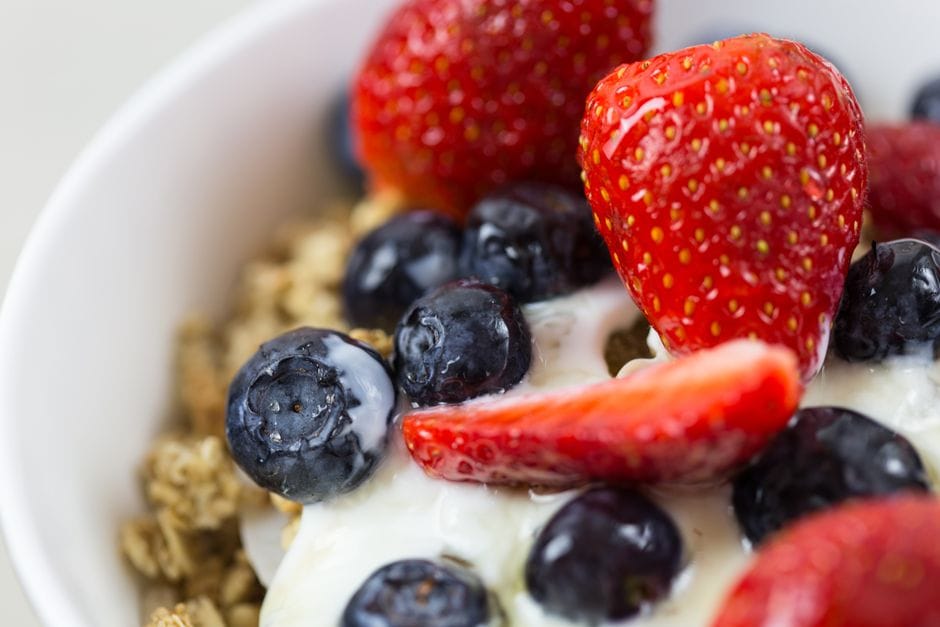
- Greek yogurt with berries and granola — fast, needs no cooking, solid protein.
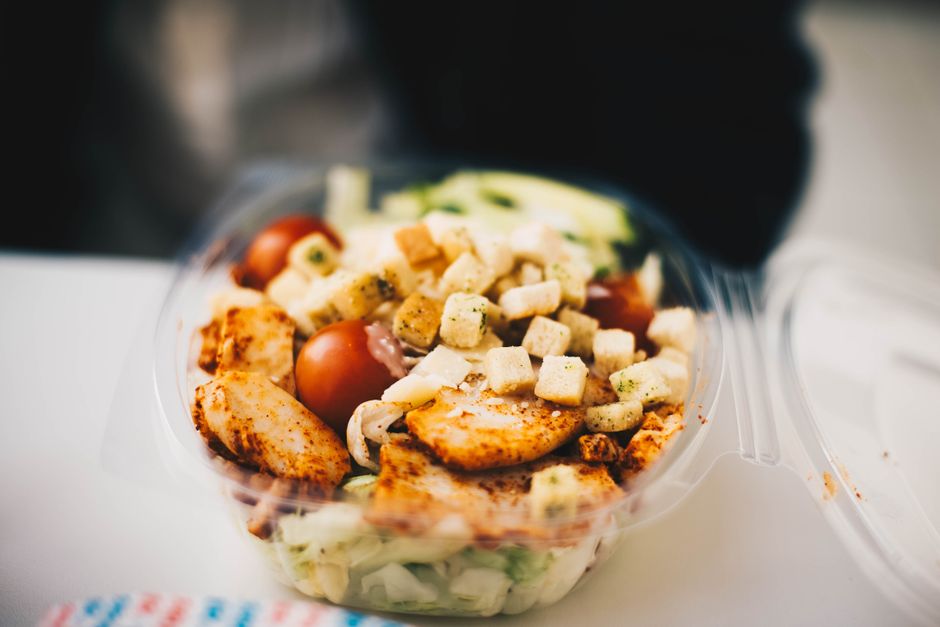
- Grilled chicken, rice, and roasted vegetables — a full recovery meal in one plate.
- Eggs and toast — cheap, quick, and surprisingly protein-dense.
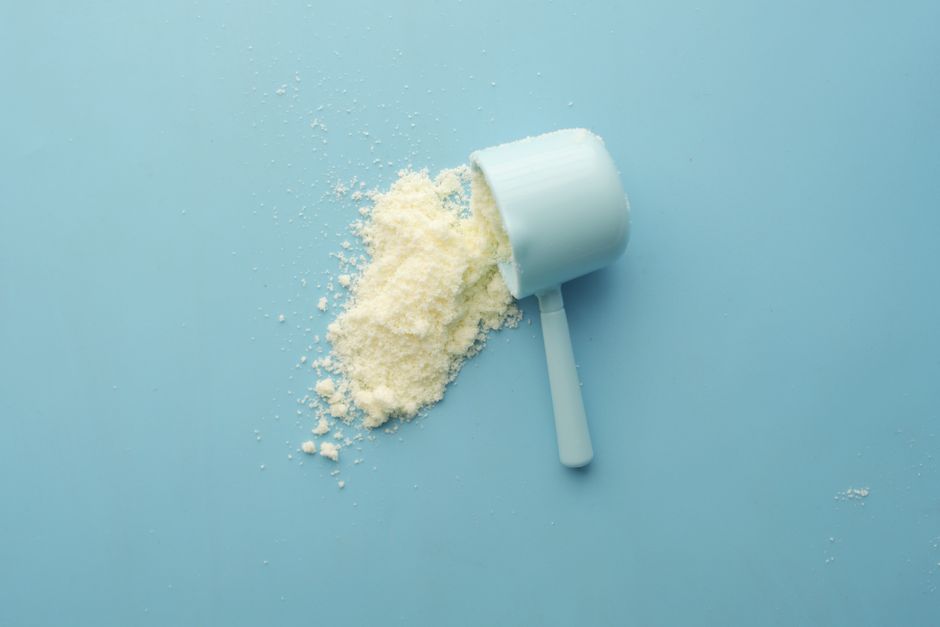
- A protein shake with a banana — the fallback for when you're truly out of time.
- Cottage cheese with fruit — an underrated high-protein option; see our cottage cheese recipes roundup for ideas that don't feel like a diet food.
Strength training vs. cardio: does the meal change?
After heavy lifting, prioritize protein — your muscles have more repair work to do. After long cardio sessions, carbohydrates matter more since you've drained glycogen stores that fuel your next workout. A mixed session benefits from a bit of both, which is why a simple plate of protein + carbs + vegetables covers almost every training day without overthinking it. For morning training sessions, these high-protein breakfast ideas double as ideal post-workout meals.
Common mistakes people make
Another common one: over-relying on protein shakes as a meal replacement instead of a supplement to real food. Shakes are convenient, not superior — whole food gives you fiber, micronutrients, and satiety a shake doesn't.
What if you're trying to lose weight?
Post-workout nutrition doesn't need to change just because you're in a calorie deficit. Keep protein steady (it's what protects muscle while you lose fat) and simply adjust portion sizes or carb amounts elsewhere in the day. For a broader framework, our guide on how to lose fat as a beginner walks through building a sustainable deficit without under-fueling your training.
Hydration counts too
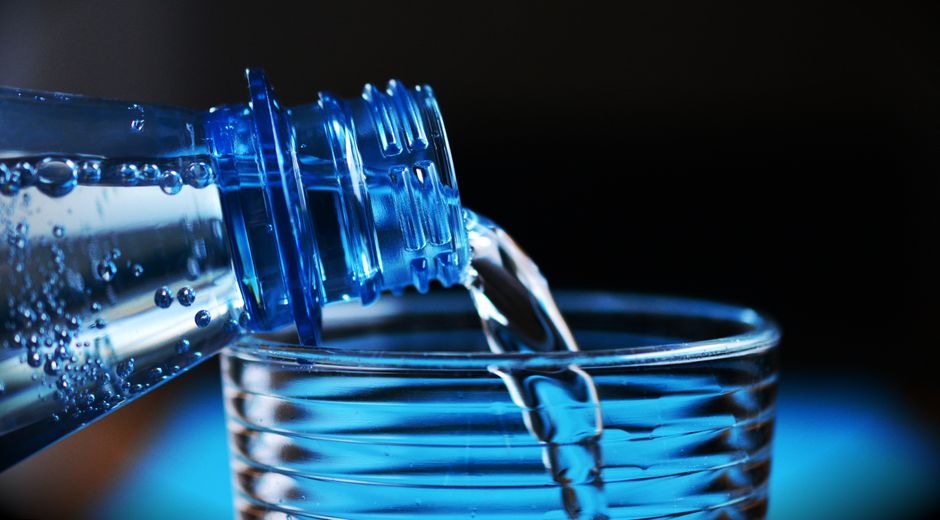
Water is part of recovery, not an afterthought. If you sweat heavily or train in heat, replacing fluids matters as much as replacing food — our guide on how much water you should actually drink breaks down realistic daily targets.
The takeaway
Post-workout eating doesn't need to be a science project. Aim for a mix of protein and carbs within a couple of hours of training, most of the time, and let the rest of your daily nutrition fill in the gaps. Consistency across weeks beats precision in any single 30-minute window.
Frequently asked questions
Do I need a protein shake right after working out?
No. A shake is convenient but not required — whole food with protein and carbs works just as well if eaten within a couple of hours.
What should I eat after a fasted morning workout?
Break your fast with a balanced meal of protein and carbs, like eggs and toast or yogurt with fruit. There's no need to eat immediately upon finishing.
Is it bad to work out on an empty stomach?
For most people doing moderate exercise, no. If you feel lightheaded or your performance drops, try a small snack beforehand next time.
How much protein should I eat after a workout?
Somewhere around 20-40g is a reasonable target for most adults, though your total daily protein intake matters more than any single meal.
Read next

Related articles
- Best Pre-Workout Supplements for Beginners (What Actually Works)
- Healthy Eating for Weight Loss: A Simple Meal Plan Guide
- The Best Foods for Muscle Recovery After Training
- 7 Best Protein Powders for Beginners in 2026 (Honest Guide)
- 6 Best Creatine Supplements for Beginners (2026)
- How Much Water Should You Drink? A Simple, Honest Guide
Further reading & trusted sources
What to actually expect
The 30-minute ‘anabolic window’ most people rush to hit turns out to matter far less than total daily protein — studies comparing immediate post-workout feeding to eating a couple hours later found no meaningful difference once daily totals were equal. The habit that actually correlates with results is having a repeatable go-to meal ready, since decision fatigue after training is what causes most people to skip eating altogether.
Maya’s editorial obsession is the gap between fitness hype and what the evidence actually shows — she’d rather hand you one boring habit that works than ten exciting ones that don’t. She builds FitNourish’s guides from mainstream, well-established sources (the CDC, the NHS, Mayo Clinic, and peer-reviewed research) and has a human review every one for accuracy before it publishes. She and the team are dedicated fitness enthusiasts and researchers, not doctors, so everything here is general information rather than medical advice. AI tools help with the research and drafting; the fact-checking and judgement are human.