 By Maya Reed, Editor
Reviewed & updated September 2026 · Researched, AI-assisted & human-reviewed
Educational information only — not medical advice. Learn more
This article is for general information and is not medical advice.
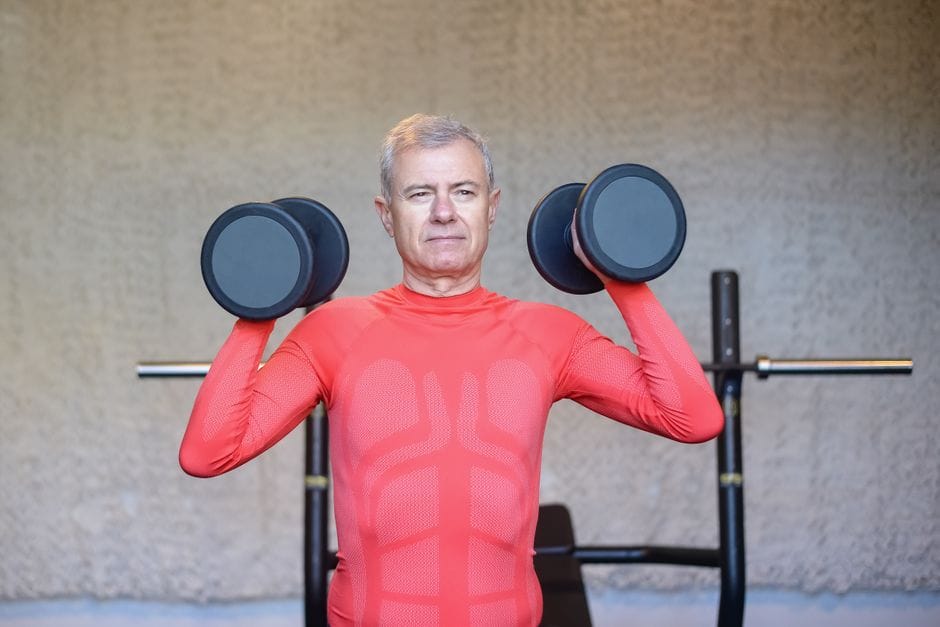
We tend to think of lifting weights as something for athletes, bodybuilders, or people chasing a certain look. But over the past decade, researchers studying healthy aging have arrived at a quieter, more important conclusion: building and keeping muscle may be one of the most powerful things you can do for a long, independent, healthy life — well beyond how you look.
This guide explains what the research suggests about strength and longevity, why muscle matters so much as you age, and how to start (at any age).
 Jump to a sectionCurated by Maya · 6 min read
The research link between muscle and a longer life
A growing collection of studies has connected measures of muscle and strength to better long-term health outcomes:
- Strength is associated with lower mortality. Research has repeatedly linked higher muscular strength (and measures like grip strength) with a lower risk of early death — even after accounting for other factors. Grip strength, in particular, has become a widely studied, simple marker of overall health.
- Muscle mass matters for aging. Higher muscle mass relative to body size is associated with better outcomes, while low muscle mass in older adults is linked to frailty and worse health.
- Combining strength + cardio looks best. Studies suggest people who do both resistance training and aerobic exercise tend to have better longevity-related outcomes than those who do only one.
As always, these are associations — but the mechanisms behind them are well understood, which makes the case compelling.
Why muscle is so important as you age
Here's the part most people don't realize: after roughly age 30, adults gradually lose muscle mass and strength if they don't actively work to maintain it. This age-related loss — called sarcopenia — accelerates later in life and has serious consequences:
- Falls and fractures. Weak muscles mean worse balance and a higher risk of falls, a leading cause of serious injury in older adults.
- Loss of independence. Everyday tasks — climbing stairs, carrying groceries, getting up from a chair — depend on strength. Losing it threatens independence.
- Metabolic health. Muscle is metabolically active tissue that helps regulate blood sugar. More muscle supports better metabolic health.
- Resilience. Muscle acts as a reserve that helps you recover from illness, injury, or surgery.
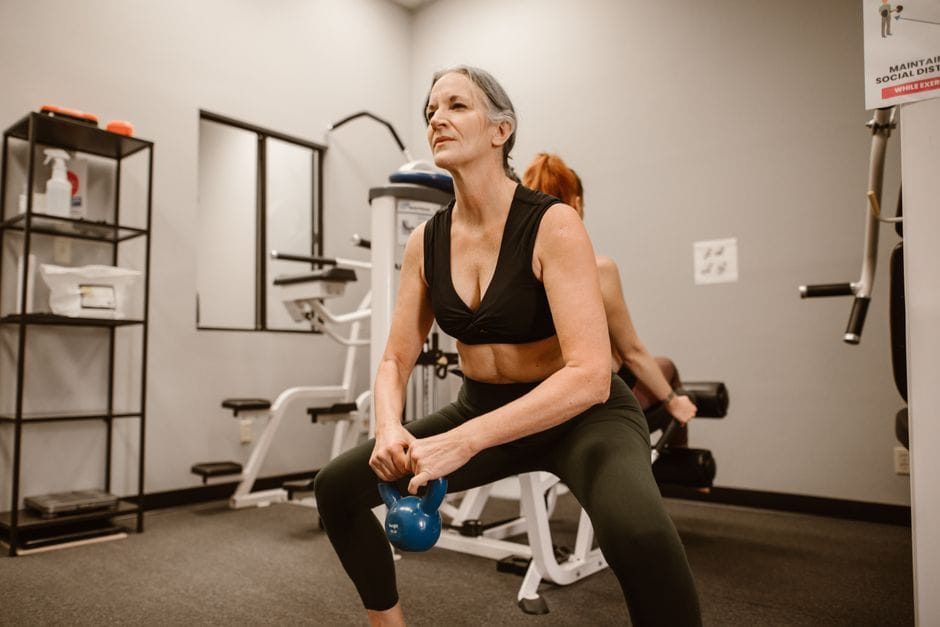
The encouraging flip side: resistance training can slow, stop, and even partly reverse this loss — and studies show that even people in their 70s, 80s, and beyond can build strength and muscle.
How to start (at any age)
You don't need a gym full of equipment or a complicated program. The fundamentals:
Train 2–3 times a week. Two to three full-body sessions on non-consecutive days is enough to drive real results. See our how to build a workout routine guide.
Focus on the big movement patterns. Squats, hinges (like hip thrusts), pushes (push-ups, presses), pulls (rows), and carries train the most muscle for your time.
Use progressive overload. Gradually do a little more over time — more reps, a bit more weight, or another set. This gradual challenge is what drives adaptation. Learn more in how to build muscle as a beginner.
Eat enough protein. Protein provides the building blocks for muscle, and needs may be higher (not lower) as you age. See how much protein you really need.
Start where you are. Bodyweight moves, resistance bands, or light dumbbells are perfectly good starting points. Beginners can use our no-equipment bodyweight workout.
Prioritize form and consistency over ego. Especially when starting later in life, good technique and steady progress beat heavy, risky lifting.
It's never too late
One of the most hopeful findings in this area is that muscle is trainable across the entire lifespan. Studies of older adults — including those who are frail — have shown meaningful gains in strength and function from supervised resistance training. The best time to start was years ago; the second-best time is now.
Frequently asked questions
Does strength training really help you live longer?
Research consistently links higher muscular strength and muscle mass with lower risk of early death and better health in aging. These are associations, but the underlying reasons — better metabolic health, fewer falls, more resilience — are well understood, making strength training a strong bet for longevity.
How often should older adults lift weights?
Two to three full-body sessions a week on non-consecutive days is a well-supported target for most adults, including older ones. Recovery days between sessions are important.
Is it safe to start strength training later in life?
For most people, yes — and studies show even very old adults can build strength. Start light, focus on good form, progress gradually, and check with a doctor first if you have a medical condition.
Do I need a gym?
No. Bodyweight exercises, resistance bands, and dumbbells at home are effective, especially for beginners. The key is regular, progressive training — not fancy equipment. See our home gym on a budget guide.
The bottom line
The research increasingly points to muscle as a cornerstone of healthy aging: strength is linked to a longer life, and resistance training helps prevent the muscle loss that steals independence later on. You don't need to lift heavy or train for hours — 2–3 sensible full-body sessions a week, enough protein, and steady progress go a long way. And it genuinely is never too late to start.
Next, read how to build muscle as a beginner and our VO2 max and longevity guide.
Read next



Related articles
- Mobility Exercises for Beginners: A Simple Daily Routine
- The Cheapest Way to Build a Home Gym (2026 Update)
- Smart Home Gym Storage Ideas for Small Apartments
- The 5 Pieces You Actually Need for a Home Gym
- “Resistance Bands vs Dumbbells: Which Should You Buy First?”
- Best Home Gym Equipment Under $100
Further reading & trusted sources
A common mistake to skip
The case for lifting as you age is mostly keeping muscle and bone, which protect independence later — it’s a long game, not a vanity one. Starting light and consistent beats going hard and quitting.
Maya’s editorial obsession is the gap between fitness hype and what the evidence actually shows — she’d rather hand you one boring habit that works than ten exciting ones that don’t. She builds FitNourish’s guides from mainstream, well-established sources (the CDC, the NHS, Mayo Clinic, and peer-reviewed research) and has a human review every one for accuracy before it publishes. She and the team are dedicated fitness enthusiasts and researchers, not doctors, so everything here is general information rather than medical advice. AI tools help with the research and drafting; the fact-checking and judgement are human.