 By Maya Reed, Editor
Reviewed & updated September 2026 · Researched, AI-assisted & human-reviewed
Educational information only — not medical advice. Learn more
This article is for general information and is not medical advice.
For years, fitness culture worshipped intensity — "go hard or go home," sweat-drenched HIIT, and the idea that a workout only counts if it leaves you wrecked. But a growing body of research has pushed something much gentler into the spotlight: Zone 2 cardio, the slow, conversational-pace training that endurance athletes have quietly relied on for decades. Done consistently, it may be one of the most powerful things you can do for your metabolism, heart, and long-term health.
This guide explains what Zone 2 actually is, why scientists are so interested in it, and exactly how to do it — no lab test required.
 What you’ll find insideCurated by Maya · 7 min read
What is Zone 2 cardio?
Your cardio effort can be split into rough "zones" based on heart rate and intensity. Zone 2 is the second-lowest — a comfortable, sustainable effort where you're working, but not struggling. As a practical rule, it's the pace at which you can still hold a conversation, but not sing. You could keep it up for an hour or more.
This is deliberately easy. If you're gasping or counting down the seconds, you've drifted into a higher zone. The whole point of Zone 2 is to stay just below that threshold.
Why researchers are so interested in it
The interest in Zone 2 comes down to what happens inside your cells. Here's the science in plain terms:
- It trains your mitochondria. Mitochondria are the tiny "power plants" inside your cells that turn food and oxygen into energy. Low-intensity endurance work is a strong stimulus for your body to build more of them and make them more efficient — and mitochondrial health is increasingly linked to metabolic health and healthy aging.
- It improves fat burning. At an easy pace, your body relies heavily on fat for fuel. Training in this zone improves your "metabolic flexibility" — how well your body switches between burning fat and carbohydrate.
- It builds an aerobic base. Zone 2 strengthens your heart and circulatory system over time, raising the ceiling for everything else you do. Endurance athletes spend the majority of their training here for exactly this reason.
- It's low-stress and sustainable. Because it's gentle, you recover quickly, can do it often, and are far less likely to burn out or get injured than with constant high-intensity work.
None of this means HIIT is bad — high-intensity work has real, well-documented benefits too. The emerging view is that most of your cardio should be easy, with a smaller dose of hard work on top.
How to find your Zone 2
You don't need a fancy lab test. Three practical methods, from simplest to most precise:
The talk test (easiest). Move at a pace where you can speak in full sentences but would struggle to sing. If you can chat comfortably, you're likely in the zone.
Rate of perceived exertion (RPE). On a 1–10 effort scale, Zone 2 feels like about a 3–4 out of 10 — "I could do this for a long time."
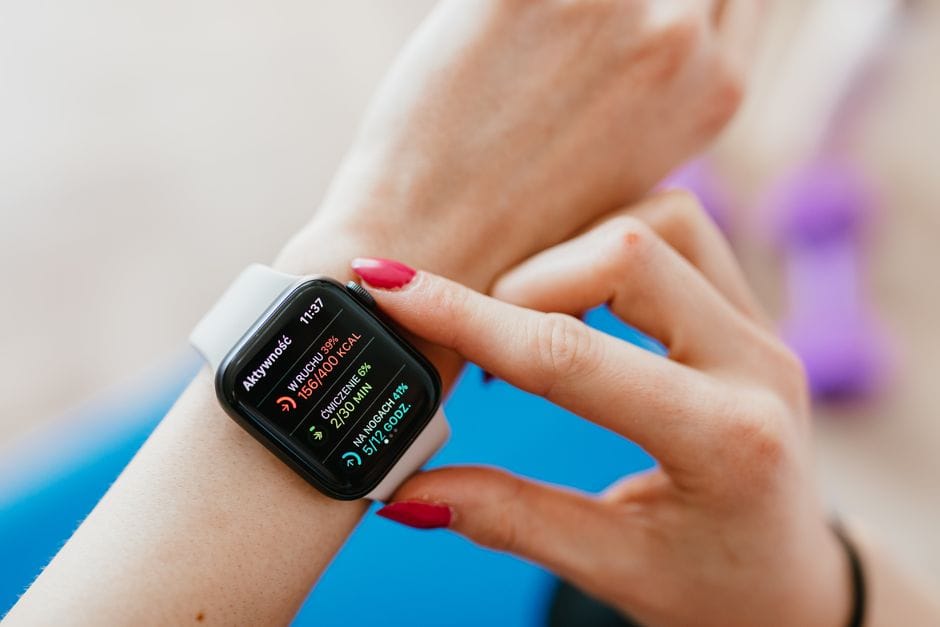
Heart rate (most precise). A common rough estimate is 60–70% of your maximum heart rate. A simple (if imperfect) way to estimate your max is 220 minus your age. So a 40-year-old (estimated max ~180) would aim for roughly 108–126 beats per minute. A heart-rate monitor or smartwatch makes this easy to track.
What counts as Zone 2 exercise?
Almost any steady, rhythmic activity you can sustain:
- Brisk walking (especially on a slight incline)
- Easy jogging
- Cycling at a relaxed pace
- Swimming steadily
- Rowing at a conversational effort
- Hiking
The "best" one is whatever you'll do consistently and can keep gentle. Many beginners find that what they thought was an easy jog is actually too hard — don't be afraid to slow right down, even to a walk.
How much should you do?
A common, research-informed target is about 150–180 minutes per week of Zone 2 — for example, three to four sessions of 30–45 minutes. If you're new, start with 20–30 minutes a couple of times a week and build gradually.
A simple weekly structure many people use:
- 3–4 Zone 2 sessions (the bulk of your cardio)
- Optional: 1 higher-intensity session (intervals or a hard effort) once you have a base
- 2–3 strength sessions (see how to build a workout routine)
The catch: patience
Zone 2's biggest downside is that it feels too easy, so people rush it or quit. The benefits — more mitochondria, a stronger aerobic engine, better fat metabolism — build over weeks and months, not days. The discipline is in keeping it slow when your ego wants to speed up.
Frequently asked questions
Is Zone 2 cardio good for weight loss?
It can help. Zone 2 burns a meaningful number of calories, is easy to do often, and improves how your body uses fat for fuel. As always, fat loss ultimately depends on an overall calorie deficit — see how many calories to lose weight — but Zone 2 is a sustainable way to add to the burn.
Is Zone 2 better than HIIT?
They do different jobs. Zone 2 builds your aerobic base and mitochondrial health with low stress; HIIT improves high-end fitness quickly but is more taxing. Research increasingly suggests doing mostly Zone 2 with a smaller amount of higher intensity, rather than choosing one.
Can walking be Zone 2?
Yes — for many people, brisk walking (especially uphill) sits right in Zone 2. It's one of the most accessible ways to train this zone. See walking for weight loss.
How long until I see results?
Expect gradual improvements over several weeks to a few months — easier breathing at the same pace, a lower heart rate for the same effort, and better endurance. Consistency matters far more than any single session.
The bottom line
Zone 2 cardio is the easy, conversational-pace training that builds your aerobic engine, trains your cells' energy systems, and supports long-term metabolic and heart health — with minimal stress on your body. Keep it genuinely easy, aim for around 150 minutes a week, and be patient. It's slow training that pays off in a big way.
Next, read the best cardio for fat loss and why strength training may help you live longer.
Read next



Related articles
- How to Build a Workout Routine from Scratch
- How Many Calories Should You Eat to Lose Weight?
- Walking for Weight Loss: A Beginner’s Guide
- How to Do Push-Ups: Proper Form and Progressions for Beginners
- The Best No-Equipment Bodyweight Workout for Beginners
- The Best Cardio for Fat Loss (And How Much You Actually Need)
Further reading & trusted sources
Where beginners usually go wrong
Zone 2 feels almost too easy, and that’s the point — a pace you could hold a conversation at. People ruin it by pushing too hard, turning an easy aerobic session into a mediocre hard one.
Maya’s editorial obsession is the gap between fitness hype and what the evidence actually shows — she’d rather hand you one boring habit that works than ten exciting ones that don’t. She builds FitNourish’s guides from mainstream, well-established sources (the CDC, the NHS, Mayo Clinic, and peer-reviewed research) and has a human review every one for accuracy before it publishes. She and the team are dedicated fitness enthusiasts and researchers, not doctors, so everything here is general information rather than medical advice. AI tools help with the research and drafting; the fact-checking and judgement are human.