 By Maya Reed, Editor
Reviewed & updated September 2026 · Researched, AI-assisted & human-reviewed
Educational information only — not medical advice. Learn more
This article is for general information and is not medical advice. If you have digestive symptoms or a medical condition, talk to a doctor.
Inside your digestive tract live trillions of bacteria, fungi, and other microbes — a community collectively called the gut microbiome. For most of medical history it was largely ignored. Over the last couple of decades it has become one of the most exciting and fast-moving areas of health research, with scientists linking the state of your gut to digestion, immunity, metabolism, and even mood.
The science is genuinely promising — and also still young, with plenty of hype to cut through. This guide explains what's well-supported, what's still emerging, and the practical, evidence-based steps that actually help your gut.
 On this pageCurated by Maya · 6 min read
What is the gut microbiome?
Your gut is home to a vast ecosystem of microorganisms — by some estimates, as many microbial cells as you have human cells. These microbes aren't just passengers. They help:
- Break down food your body can't digest on its own, especially fiber.
- Produce useful compounds, including short-chain fatty acids that nourish the cells lining your gut.
- Make certain vitamins (such as some B vitamins and vitamin K).
- Train and support your immune system — a large share of your immune activity is based in the gut.
A key theme in the research is diversity: a gut with a wide variety of beneficial microbes tends to be associated with better health markers than one dominated by just a few species.
What the research links it to
Here's where things stand, separating the well-supported from the still-emerging:
Reasonably well-supported:
- Digestive health. The microbiome plays a clear role in conditions like irritable bowel syndrome and overall gut function.
- Immune function. Gut microbes help regulate immune responses.
- Fiber and short-chain fatty acids. Feeding your microbes fiber produces compounds with anti-inflammatory benefits for the gut lining.
Promising but still emerging (don't believe the miracle claims yet):
- Metabolism and weight. Research has linked microbiome composition to body weight and blood sugar regulation, but it's complex and not a simple "fix your gut, lose weight" story.
- The gut–brain axis. There's a genuine communication network between gut and brain, and studies have explored links to mood and stress — but this is early science, not a license for grand claims.
The honest summary: the gut microbiome clearly matters, the field is moving fast, and you should be skeptical of any product promising dramatic, specific results from "fixing" your gut.
How to support a healthy gut (the evidence-based basics)
You don't need expensive tests or supplements. The fundamentals are remarkably ordinary — and well-supported:
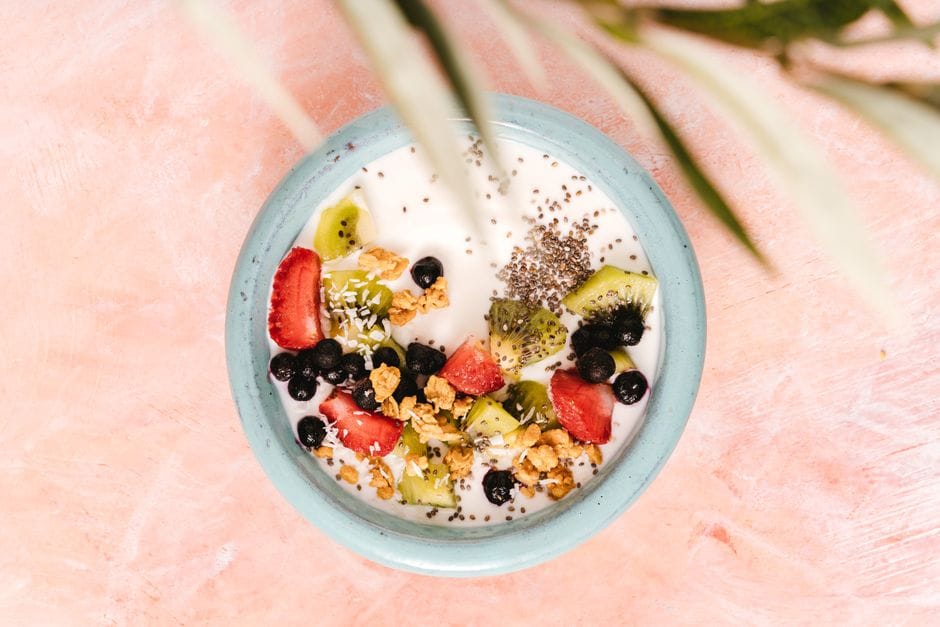
Eat more fiber and more plants. Fiber is the main fuel for beneficial gut bacteria. Aim for a wide variety of plants — vegetables, fruits, whole grains, beans, nuts, and seeds. Diversity on your plate encourages diversity in your gut.
Include fermented foods. Yogurt with live cultures, kefir, sauerkraut, kimchi, and miso introduce beneficial microbes and have been associated with a healthier, more diverse microbiome.
Go easy on ultra-processed foods. Diets heavy in highly processed foods, added sugar, and artificial additives are generally associated with a less favorable microbiome.
Don't overuse antibiotics. Antibiotics save lives and are sometimes essential — but they also disrupt the microbiome, so use them only when a doctor prescribes them.
Mind the lifestyle basics. Regular exercise, good sleep, and managing stress are all associated with a healthier gut. See why sleep is the secret weapon of fitness.
What about probiotic supplements?
Probiotic supplements are a huge market, and the evidence is mixed. Some specific strains help with specific issues (for example, certain strains for antibiotic-related digestive upset), but a generic probiotic is not a guaranteed cure-all, and benefits often don't persist after you stop taking them. For most healthy people, food-based sources (fiber + fermented foods) are a cheaper, well-supported starting point. If you're considering a supplement for a specific condition, talk to a doctor or dietitian.
Frequently asked questions
What foods are best for gut health?
A varied, fiber-rich, plant-heavy diet plus fermented foods (yogurt, kefir, sauerkraut, kimchi). Variety is key — the more different plants you eat across a week, the better for microbial diversity.
Do I need a probiotic supplement?
Not necessarily. Some strains help with specific problems, but for general health, fiber and fermented foods are a well-supported, affordable foundation. Consult a professional before using probiotics for a medical condition.
Can improving my gut help me lose weight?
The microbiome is linked to metabolism, but it's not a weight-loss shortcut. A healthy gut supports overall health; weight loss still comes down to an overall calorie balance. See how many calories to lose weight.
How long does it take to change your gut microbiome?
Your microbiome can begin shifting within days of changing your diet, but building a stable, diverse community is a longer-term result of consistent habits. Quick "resets" are mostly marketing.
The bottom line
The gut microbiome is a real and important area of health science — clearly tied to digestion and immunity, with exciting (but still early) links to metabolism and mood. You don't need gimmicks to support it: eat a wide variety of fiber-rich plants, include fermented foods, limit ultra-processed foods, and take care of sleep, stress, and exercise. Simple, boring, and backed by the evidence.
Next, read about the best foods for muscle recovery and 15 tiny daily habits that transform your health.
Read next




Related articles
- Zone 2 Cardio: The Science of Training Slow to Get Fitter
- Healthy Eating for Weight Loss: A Simple Meal Plan Guide
- Intermittent Fasting for Beginners: A Complete Guide (2026)
- How Much Protein Do You Really Need? A Science-Backed Guide
- How to Lose Fat: A Complete Beginner’s Guide (2026)
- How to Build Muscle: A Complete Beginner’s Guide (2026)
Further reading & trusted sources
What to actually expect
Gut health responds most to boringly simple things — more fibre and a variety of plants — than to expensive probiotics. Expect changes over weeks of consistent eating, not overnight, and take any real concern to a doctor.
Maya’s editorial obsession is the gap between fitness hype and what the evidence actually shows — she’d rather hand you one boring habit that works than ten exciting ones that don’t. She builds FitNourish’s guides from mainstream, well-established sources (the CDC, the NHS, Mayo Clinic, and peer-reviewed research) and has a human review every one for accuracy before it publishes. She and the team are dedicated fitness enthusiasts and researchers, not doctors, so everything here is general information rather than medical advice. AI tools help with the research and drafting; the fact-checking and judgement are human.