 By Maya Reed, Editor
Reviewed & updated September 2026 · Researched, AI-assisted & human-reviewed
Educational information only — not medical advice. Learn more
This article is for general information and is not medical advice.
A brisk 45-minute walk burns roughly 200–300 calories — and unlike a punishing workout, it won’t leave you ravenous enough to eat it all back. That’s the quiet reason walking beats fancier fat-loss plans for most people: it’s easy enough to actually keep doing, day after day, with no gym and no recovery needed.
This guide explains why walking works for weight loss, how much you actually need, and simple ways to burn more without making it miserable.
 Quick navigationCurated by Maya · 6 min read
Why walking works for fat loss
Fat loss comes down to a calorie deficit — burning more energy than you eat over time. Walking helps on both sides of that equation:
- It burns calories without the stress and soreness of intense exercise, so you can do it often and recover easily.
- It's sustainable. The best fat-loss exercise is the one you'll actually keep doing, and most people can walk daily for years.
- It manages appetite and stress. Gentle activity can help regulate appetite and lower stress, which supports better food choices.
- It preserves energy for life. Unlike brutal workouts, walking leaves you feeling better, not wiped out — so you move more the rest of the day too.
Walking won't out-run a poor diet, but combined with sensible eating it's one of the most reliable, low-risk ways to lose fat.
How much should you walk to lose weight?
There's no magic number, but here's a practical framework:
- Start where you are. If you're currently inactive, even 15–20 minutes a day is real progress. Build from there.
- Aim for 30–60 minutes most days. A common, achievable target is around 7,000–10,000 steps a day, but the exact figure matters less than being consistent and gradually increasing.
- Consistency beats intensity. A daily 30-minute walk for months will out-perform an occasional heroic hike.
Increase gradually — add 5–10 minutes or 1,000 steps a week — so it stays easy to maintain.
How to burn more calories walking
Once daily walks are a habit, these tweaks raise the calorie burn without much extra effort:
- Walk faster. A brisk pace where you can talk but not sing burns noticeably more than a stroll.
- Find hills or an incline. Walking uphill (or using a treadmill incline) dramatically increases effort and calorie burn.
- Add a weighted backpack ("rucking"). Carrying a modest load increases intensity — start light and build up.
- Walk after meals. A 10–15 minute walk after eating helps with blood sugar and adds easy steps.
- Break it up. Three 10-minute walks count just as much as one 30-minute walk if that fits your day better.
Make it a habit that sticks
- Attach it to something you already do — walk right after your morning coffee, or during a lunch break.
- Make it enjoyable — podcasts, audiobooks, music, or a friend make the time fly.
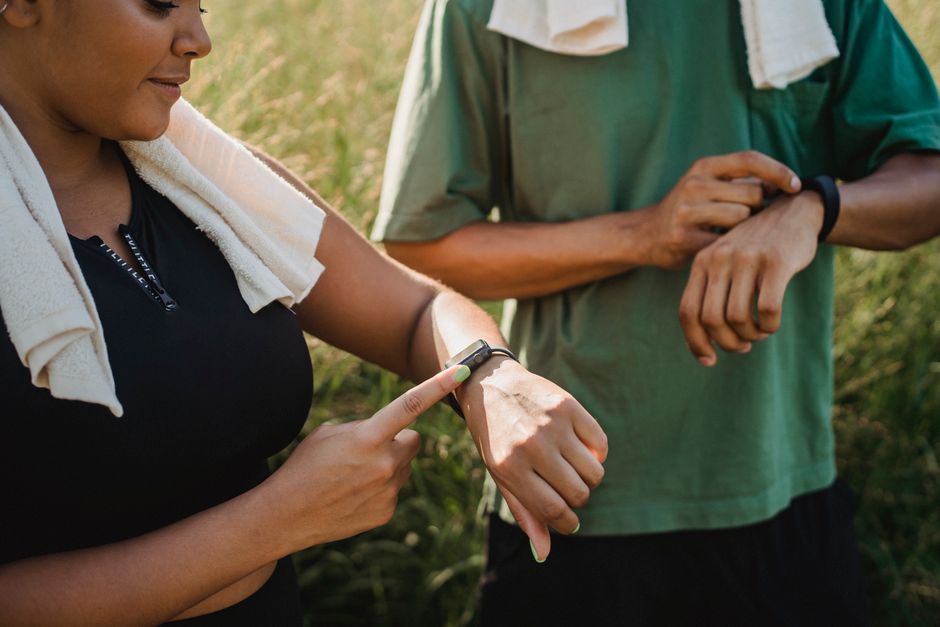
- Track it — a phone or a simple fitness tracker turns steps into a game and keeps you honest.
- Walk no matter the weather — have an indoor backup (mall, treadmill, marching in place) so a rainy day doesn't break your streak.
Don't forget the diet side
Walking creates the deficit much faster when paired with sensible eating. You don't need extremes — focus on plenty of protein and vegetables, watch liquid calories, and don't "reward" a walk with more food than it burned. See our guides on healthy eating for weight loss and how many calories you should eat to lose weight.
Frequently asked questions
Can you really lose weight just by walking?
Yes — if walking helps put you in a calorie deficit. Combined with sensible eating, regular walking is a proven, low-risk way to lose fat. It works best as a long-term habit rather than a quick fix.
How many steps a day to lose weight?
There's no exact threshold, but many people see results aiming for around 7,000–10,000 steps a day. More important than the number is being consistent and gradually increasing from wherever you are now.
Is walking better than running for weight loss?
Running burns more calories per minute, but walking is easier on the joints, easier to recover from, and easier to sustain — so many people lose more fat with walking simply because they stick with it. The best choice is the one you'll keep doing.
How long until I see results from walking?
With consistent walking and sensible eating, many people notice changes within a few weeks to a couple of months. Fat loss is gradual; focus on steady habits rather than daily scale numbers.
The bottom line
Walking is simple, sustainable, and genuinely effective for fat loss when paired with sensible eating. Start with whatever you can manage, build toward 30–60 minutes most days, and add pace, hills, or a weighted pack to burn more. The secret isn't intensity — it's doing it consistently for months.
Next, read the best cardio for fat loss and our healthy eating for weight loss meal plan.
Read next



Related articles
- How to Lose Fat: A Complete Beginner’s Guide (2026)
- How to Build a Home Gym on a Budget (Under $200 Setup)
- How to Start Working Out at Home: A Beginner’s Guide
- The Cheapest Way to Build a Home Gym (2026 Update)
- Smart Home Gym Storage Ideas for Small Apartments
- The 5 Pieces You Actually Need for a Home Gym
Further reading & trusted sources
A common mistake to skip
Walking helps with weight management because it’s sustainable and easy to do daily — the low intensity that seems ‘too easy’ is exactly why people keep it up. Consistency, not intensity, is the whole advantage.
Maya’s editorial obsession is the gap between fitness hype and what the evidence actually shows — she’d rather hand you one boring habit that works than ten exciting ones that don’t. She builds FitNourish’s guides from mainstream, well-established sources (the CDC, the NHS, Mayo Clinic, and peer-reviewed research) and has a human review every one for accuracy before it publishes. She and the team are dedicated fitness enthusiasts and researchers, not doctors, so everything here is general information rather than medical advice. AI tools help with the research and drafting; the fact-checking and judgement are human.