 By Maya Reed, Editor
Reviewed & updated September 2026 · Researched, AI-assisted & human-reviewed
Educational information only — not medical advice. Learn more
The cheapest way to build a home gym in 2026 is to buy three things — a set of resistance bands, one adjustable kettlebell, and a yoga mat — for under $80 total, then add equipment only after you've proven you'll actually use what you have. Everything else in this guide is about making that first $80 work harder and avoiding the purchases that quietly drain a home-gym budget without adding real training value.
This article shares general fitness information, not medical advice. Check with a doctor before starting a new exercise routine, especially if you have an existing injury or health condition.
 On this pageCurated by Maya · 8 min read
- Start With the True Minimum, Not the Pinterest Version
- Where Secondhand Beats New, Every Time
- The Purchases That Waste a Budget Gym’s Money
- Building the Second Tier — What to Add Next, and When
- Free and Near-Free Substitutes Worth Knowing
- A Sample 4-Week Budget Ramp
- Storage Matters More Than People Expect
- The Takeaway
- Related articles
- Further reading & trusted sources
Start With the True Minimum, Not the Pinterest Version
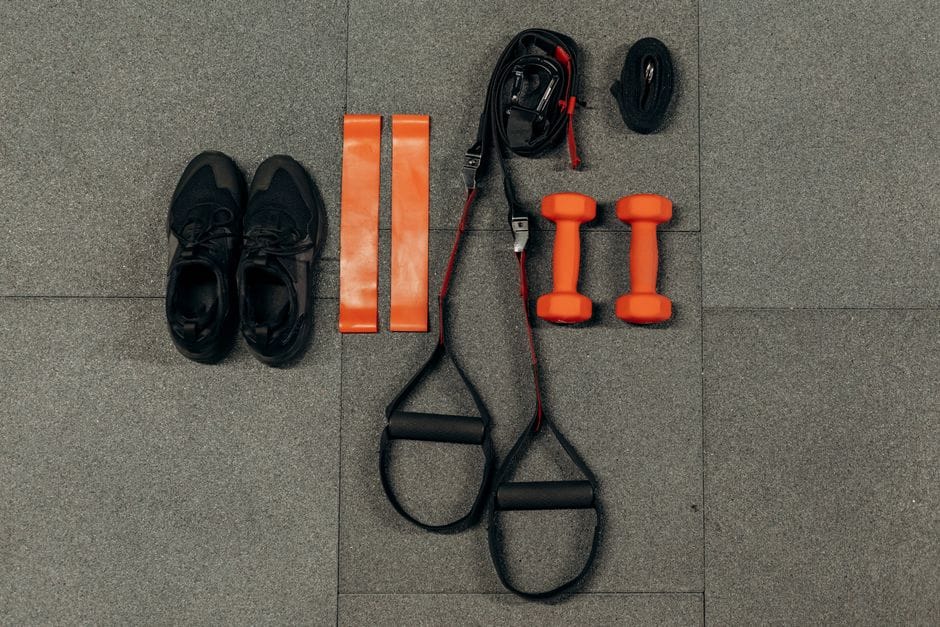
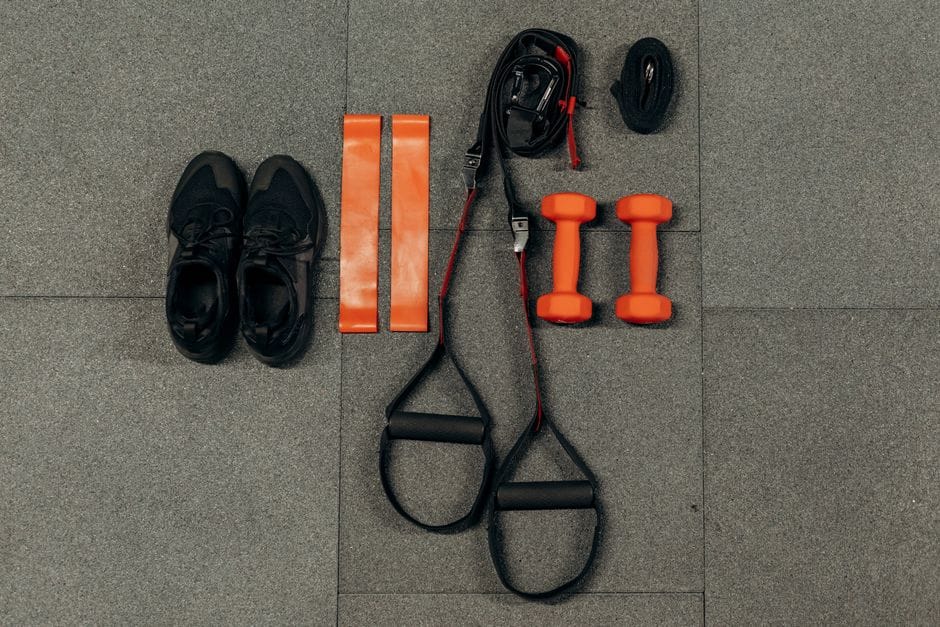
Home gym inspiration photos are full of matching equipment racks, wall-mounted storage, and a dozen accessories — which is exactly why so many budget gym attempts stall before they start. The actual minimum needed to train every major movement pattern (push, pull, hinge, squat, carry) is genuinely small:
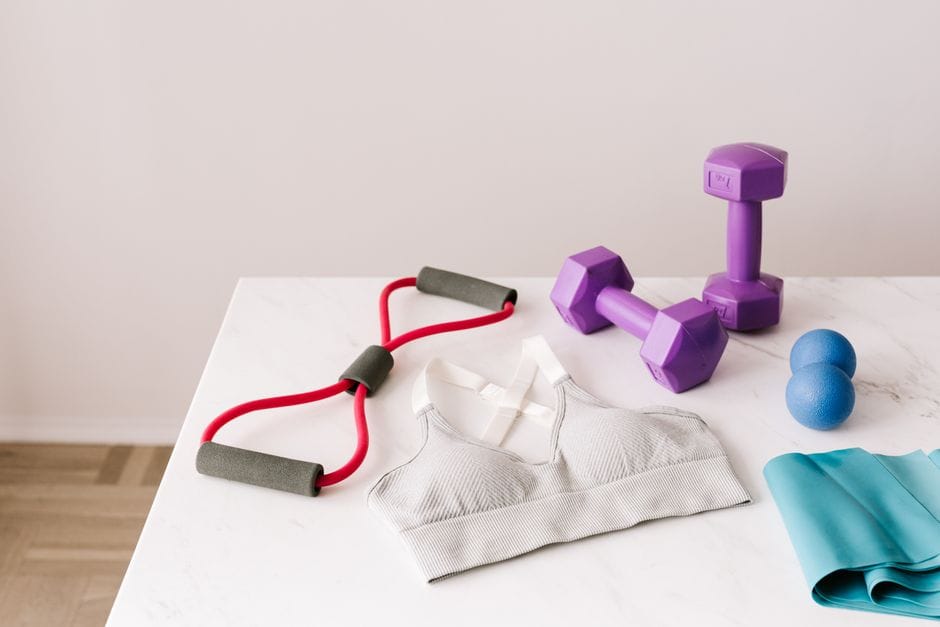
- A set of long resistance bands with handles (roughly $15–25)
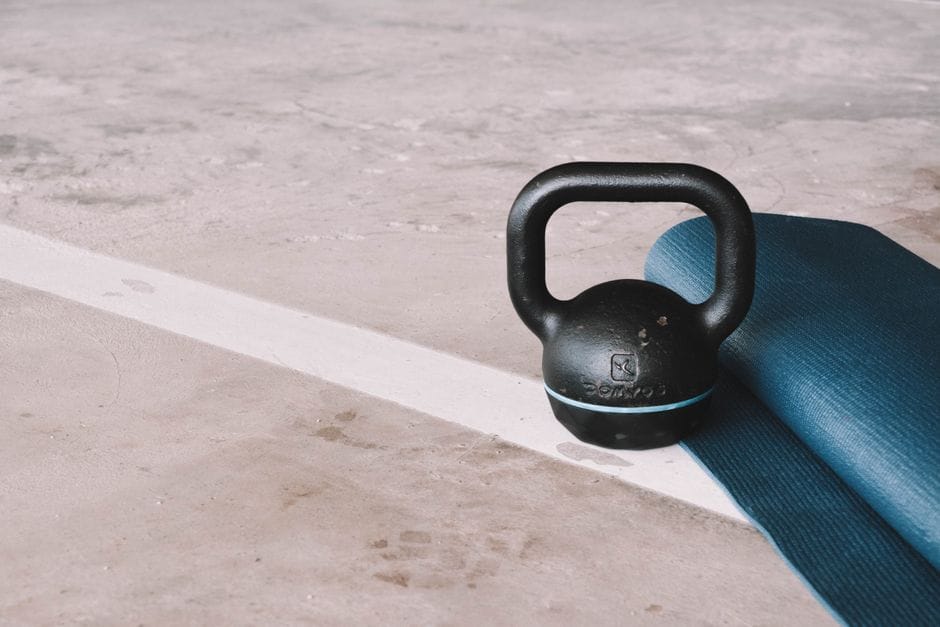
- One adjustable kettlebell or a pair of fixed-weight dumbbells (roughly $30–50 secondhand)
- A basic yoga or exercise mat (roughly $15–20)
That's a complete strength-training setup for well under $100, and it covers more exercises than most people realize. The rest of this guide is about spending the next dollars wisely, not about needing more gear than this.
Where Secondhand Beats New, Every Time
Home gym equipment is one of the best secondhand categories that exists, because metal weights don't wear out. A used dumbbell or kettlebell performs identically to a new one; the only thing that changes is the price, often by 40-60%.
Facebook Marketplace and local buy-sell groups are consistently the best source — January and September see a flood of listings from people abandoning New Year's or back-to-school resolutions, which is the best time to buy. Garage sales and estate sales are a distant second option but worth checking if timing lines up.
The one category where secondhand is genuinely risky: resistance bands. Rubber degrades with age and UV exposure, and a band that snaps under load is one of the few real injury risks in home training. Buy bands new — they're cheap enough that the savings from buying used aren't worth the risk.
The Purchases That Waste a Budget Gym's Money
Three purchases show up constantly in budget home gym setups and rarely earn their keep:
Cheap adjustable dumbbell mechanisms. The dial or pin-based systems under $60 frequently have locking mechanisms that fail under real load, and a slipping weight stack is a genuine hazard. A single quality kettlebell or a pair of fixed dumbbells is more durable per dollar.
Ab-specific gadgets. Ab rollers, waist trainers, and "core sculpting" devices almost never outperform bodyweight core work you can do on a $15 mat. Skip the specialty gadget category entirely until the basics are maxed out.
A treadmill before a jump rope. A $400+ treadmill takes up an entire room and gets abandoned constantly; a $12 jump rope delivers comparable cardio in a fraction of the space and gets used far more often because it has zero setup friction.
Building the Second Tier — What to Add Next, and When
Once the minimum setup has been used consistently for 4-6 weeks, here's the logical next tier, roughly in order of value:
- A second kettlebell or dumbbell weight — once bodyweight and the first weight feel too easy for your main lifts.
- A pull-up bar (doorframe-mounted, $20-30) — opens up a whole pulling category that bands only partially replace.
- A jump rope — cheap, compact, and genuinely effective cardio.
- A adjustable bench — the single piece of equipment that unlocks the most new exercises for the money, but only worth it once you're using your first-tier gear reliably.
Resist buying tier-two equipment before tier-one is a habit. The single biggest predictor of home gym success isn't equipment quality, it's whether the gear you already own gets used several times a week.
Free and Near-Free Substitutes Worth Knowing
Some standard gym equipment has a genuinely free substitute that works just as well for a beginner or budget setup:
- Barbell rows → resistance band rows or towel rows under a sturdy table
- Leg press → bodyweight squats, split squats, or backpack-loaded squats
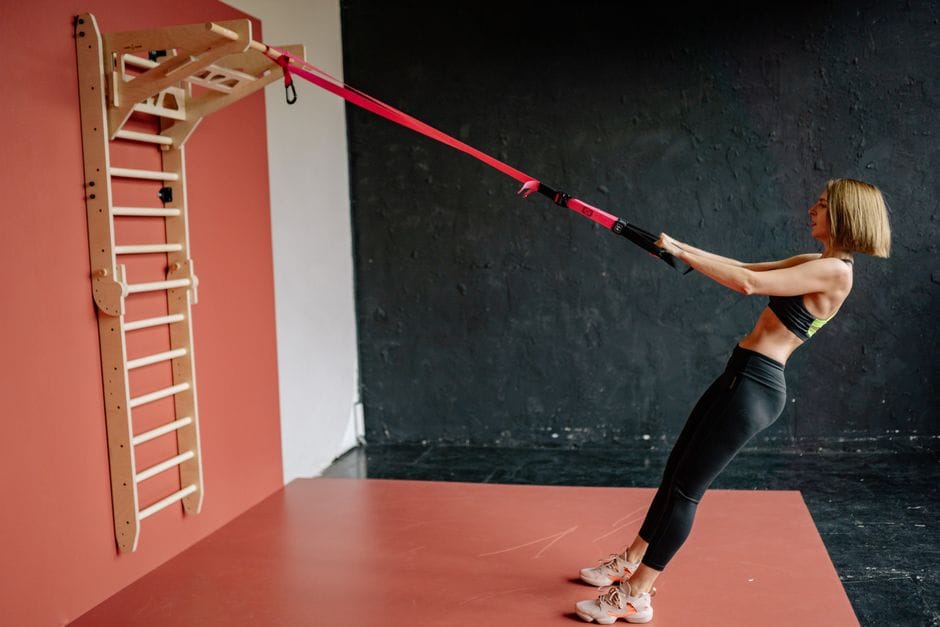
- Cable machine → resistance bands anchored to a door
- Weight plates → a loaded backpack or filled water jugs for light work
- Foam roller → a frozen water bottle or tennis ball for targeted spots
None of these are permanent replacements if you're training seriously long-term, but they're perfectly legitimate ways to train effectively while you save for the real equipment.
A Sample 4-Week Budget Ramp
A realistic way to phase spending instead of buying everything at once:
- Week 1: Mat + resistance bands (~$35). Learn bodyweight and band-based versions of squats, rows, presses, and hinges.
- Week 2-3: Add one kettlebell or dumbbell pair, ideally secondhand (~$35-50). Start progressive overload on your main lifts.
- Week 4: Assess. If you've trained at least 3x/week consistently, add a pull-up bar or second weight. If consistency was the struggle, fix that before spending more — more equipment won't solve an adherence problem.
Storage Matters More Than People Expect
A cheap home gym that clutters a living space gets abandoned fast, regardless of how good the equipment is. Wall hooks for bands, an open basket or shelf for kettlebells, and a rolled-mat spot near the workout area keep retrieval time under 30 seconds — which matters more for consistency than almost any other single factor in a small-space setup.
The Takeaway
A genuinely functional home gym costs under $100 to start, and the cheapest reliable path is a mat, a set of resistance bands, and one adjustable kettlebell or a pair of dumbbells — bought secondhand where it's safe to do so. The purchases to avoid are gadget equipment and cheap adjustable-dumbbell mechanisms; the upgrade to prioritize once the basics are a habit is a pull-up bar or a second weight. Consistency with a small setup beats an expensive setup gathering dust in a corner.
Frequently asked questions
What's the single best first purchase for a home gym on a tight budget?
A set of resistance bands with handles. They're inexpensive, cover pushing, pulling, and hinging movements, pack into a drawer, and travel well if you move or want to work out elsewhere.
Is buying used gym equipment actually safe?
For metal weights like dumbbells and kettlebells, yes — they don't degrade with normal use. Avoid used resistance bands, which can develop microtears from age and UV exposure that aren't always visible before they fail.
How much should a genuinely functional home gym cost to start?
Under $100 covers a mat, a set of bands, and one adjustable kettlebell or a pair of dumbbells — enough to train every major movement pattern with progressive overload for months.
Do I need a bench to start strength training at home?
No. Floor-based pressing, floor bridges, and standing or kneeling variations cover most bench exercises early on. A bench is a strong tier-two purchase once you're training consistently, not a starting requirement.
Read next
Related articles
- Smart Home Gym Storage Ideas for Small Apartments
- Best Home Gym Equipment Under $100
- Small Space Home Gym Ideas: Set One Up in Any Apartment
- Sauna and Cold Therapy: What the Research Says
- Why Strength Training May Help You Live Longer (The Research)
- VO2 Max: Why This Fitness Number May Predict How Long You Live
Further reading & trusted sources
The part that actually matters
Rubber resistance bands are the one piece of home gym equipment worth buying new instead of secondhand — UV exposure and age cause microtears that aren’t visible until a band snaps under load. Metal weights like kettlebells and dumbbells don’t have this problem and are one of the safest categories to buy used.
Maya’s editorial obsession is the gap between fitness hype and what the evidence actually shows — she’d rather hand you one boring habit that works than ten exciting ones that don’t. She builds FitNourish’s guides from mainstream, well-established sources (the CDC, the NHS, Mayo Clinic, and peer-reviewed research) and has a human review every one for accuracy before it publishes. She and the team are dedicated fitness enthusiasts and researchers, not doctors, so everything here is general information rather than medical advice. AI tools help with the research and drafting; the fact-checking and judgement are human.