 By Maya Reed, Editor
Reviewed & updated September 2026 · Researched, AI-assisted & human-reviewed
Educational information only — not medical advice. Learn more
Two days after a hard leg day, walking down stairs suddenly feels like a personal attack — that's delayed onset muscle soreness, or DOMS, and almost everyone who trains has been there. It's not dangerous, but it can derail your next workout if you don't know how to manage it. Here's what actually speeds recovery, and what's mostly folklore.
This article shares general fitness information, not medical advice. Sharp or one-sided pain, swelling, or soreness that doesn't ease after a week can signal an injury — check with a healthcare provider if that happens.
 What this guide coversCurated by Maya · 7 min read
- What DOMS actually is (and isn’t)
- Why some workouts cause worse soreness than others
- What actually helps DOMS recover faster
- What doesn’t help as much as people think
- Should you train through DOMS?
- How to prevent excessive DOMS going forward
- How long DOMS should realistically last
- The takeaway
- Further reading & trusted sources
What DOMS actually is (and isn't)
DOMS shows up 24-72 hours after unfamiliar or unusually intense exercise — think a new leg day after weeks off, or the first hike of the season. It's caused by microscopic tears in muscle fibers and the inflammatory response that follows as your body repairs them, not lactic acid buildup, which is a myth that's stuck around for decades. Lactic acid clears from your muscles within an hour of finishing a workout; the soreness you feel two days later has nothing to do with it.
The good news: DOMS is a normal adaptive response, not a sign of damage you need to "fix." Your muscles rebuild slightly stronger and more resistant to that specific stress, which is exactly why the same workout feels easier the second time around.
Why some workouts cause worse soreness than others
Eccentric movements — the lengthening phase of a muscle contraction, like lowering into a squat or the downward part of a bicep curl — cause dramatically more soreness than concentric (shortening) movements. That's why downhill running or slow negative reps leave you far more wrecked than steady-state cardio at the same intensity. Novelty matters too: your first session of a new activity, or returning after a break, produces more DOMS than a movement pattern your body already knows well, even at a similar intensity level.
What actually helps DOMS recover faster
Light movement, not full rest. Gentle activity — a walk, an easy bike ride, or mobility work — increases blood flow to sore muscles and tends to ease stiffness faster than lying on the couch. This is sometimes called "active recovery," and the research backing it is solid.
Sleep. Most tissue repair happens during deep sleep, when growth hormone release peaks. Cutting sleep short after a hard training session is one of the most common reasons recovery drags on longer than it should — see our guide on sleep and fitness for the specifics.
Protein and adequate calories. Muscle repair requires raw material. Chronically under-eating protein, especially after a demanding session, slows the rebuilding process measurably.
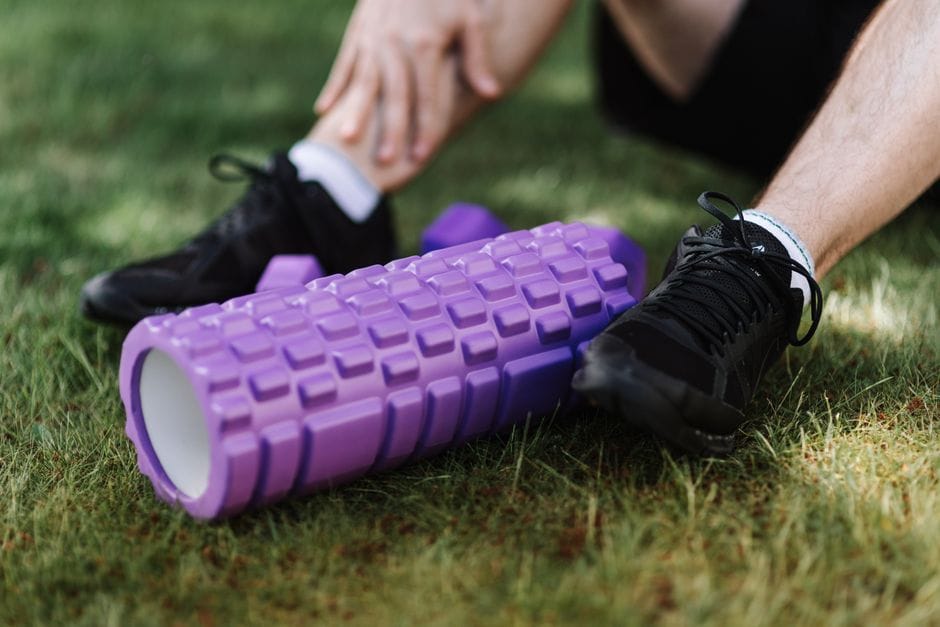
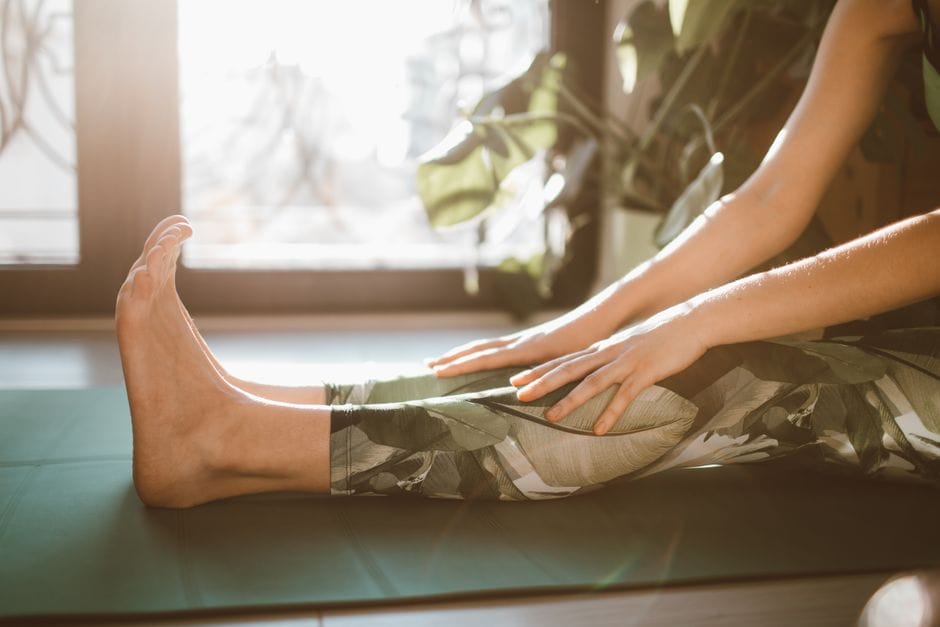
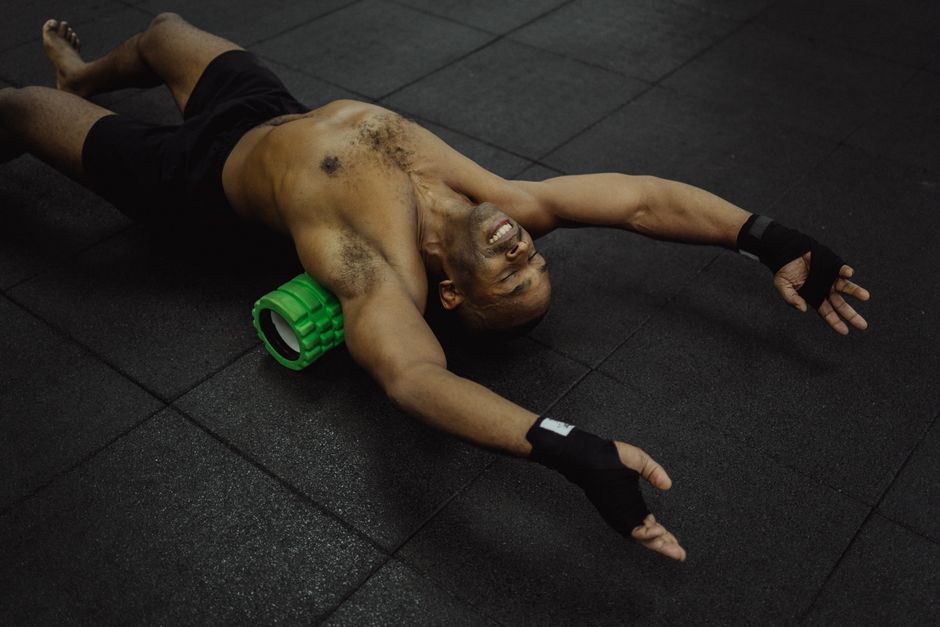
Gentle stretching and foam rolling. These won't eliminate DOMS, but many people find they reduce the perceived stiffness and make moving around more comfortable in the meantime. If you don't already own one, a basic foam roller is one of the cheaper, more useful pieces of recovery gear.
Heat or contrast therapy. A warm bath or shower can ease the stiff, achy feeling in the short term. Some people also respond well to alternating hot and cold, though the evidence for cold specifically reducing DOMS (versus just numbing the sensation temporarily) is mixed — read more in our breakdown of sauna and cold therapy for recovery.
What doesn't help as much as people think
Static stretching before a workout doesn't prevent DOMS and may not do much for it afterward either — its main value is as part of a proper warm-up, not soreness prevention.
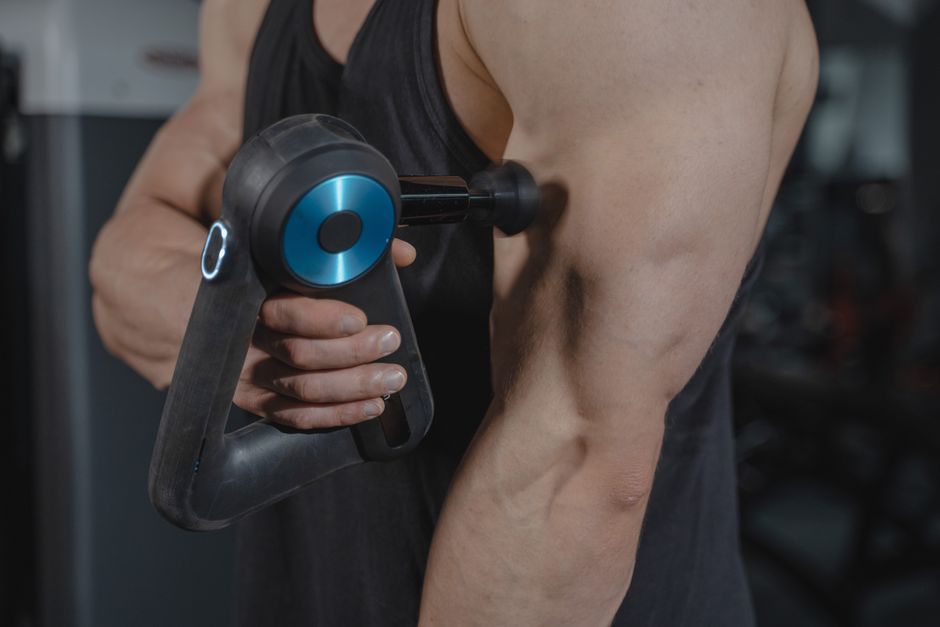
Massage guns and percussion therapy feel great and can temporarily reduce muscle tension, but there's limited evidence they meaningfully shorten the DOMS timeline compared to simply staying lightly active.
Anti-inflammatory painkillers (NSAIDs) can dull the pain, but taking them routinely after every workout may blunt some of the muscle adaptation you're training for in the first place. Occasional use is generally fine — just don't make it a habit tied to every session.
[TAKE] The soreness-equals-progress mindset trips a lot of beginners up. If you're so sore you can't complete a normal range of motion or your next session, that's a sign to dial back volume next time, not a badge of honor — a workout is not "better" just because you're wrecked for four days afterward.
Should you train through DOMS?
Usually yes, with adjustments. Training the same muscle group at full intensity while still deeply sore is where people get hurt, since compromised range of motion and altered movement patterns raise injury risk. But light to moderate work — especially on a different muscle group, or an easier version of the same movement — is typically fine and can even help. If soreness is severe enough that your form breaks down, scale back the load or swap in progressive overload principles more gradually next cycle rather than skipping training entirely.
How to prevent excessive DOMS going forward
The core lever is gradual progression. Ramping up intensity or volume by 10-20% at a time, rather than jumping straight into a brutal new program, keeps soreness manageable while still building strength and endurance. This matters most whenever you're introducing something new: a new exercise, a new rep range, or returning after time off. Give your body one or two easier sessions to adapt before going all-out.
How long DOMS should realistically last
Typical DOMS peaks around 24-72 hours after the triggering workout and fully resolves within 5-7 days for most people, even without doing anything special. If soreness is worsening rather than improving after day three or four, or if it's paired with dark urine, severe swelling, or pain that doesn't track with a normal workout, that combination can indicate rhabdomyolysis — a rare but serious condition — and warrants medical attention rather than home remedies.
The takeaway
DOMS is a normal, temporary part of training that peaks around 48 hours and fades within a week. Light movement, sleep, adequate protein, and patience do more for recovery than any specific gadget or supplement — and the soreness itself isn't something to chase, just something to manage sensibly while you keep progressing.
Frequently asked questions
Is it bad to work out again while still sore?
Not usually, as long as you're not training the same muscles at full intensity with compromised form. Light activity often speeds recovery rather than slowing it.
Does drinking more water reduce muscle soreness?
Staying hydrated supports overall recovery, but there's no strong evidence that extra water specifically reduces DOMS. It's still worth doing for general training performance.
Why am I sorer after a slow, controlled workout than a fast, hard one?
Slow, controlled movements — especially the lowering phase of a lift — put more eccentric stress on muscle fibers, which is the main driver of DOMS, more than speed or overall intensity alone.
Do I need to be sore for a workout to "count"?
No. Soreness is a byproduct of unfamiliar or intense stress, not a requirement for progress. Plenty of effective, well-programmed workouts produce little to no next-day soreness once your body adapts.
Read next

Further reading & trusted sources
The detail that makes the difference
DOMS peaks 24-72 hours after the triggering workout, not the next morning, which is why people often blame the wrong session for soreness that actually traces back two days. Light movement on the sore day tends to ease stiffness faster than full rest, since it’s the increased blood flow that helps, not staying still.
Maya’s editorial obsession is the gap between fitness hype and what the evidence actually shows — she’d rather hand you one boring habit that works than ten exciting ones that don’t. She builds FitNourish’s guides from mainstream, well-established sources (the CDC, the NHS, Mayo Clinic, and peer-reviewed research) and has a human review every one for accuracy before it publishes. She and the team are dedicated fitness enthusiasts and researchers, not doctors, so everything here is general information rather than medical advice. AI tools help with the research and drafting; the fact-checking and judgement are human.