 By Maya Reed, Editor
Reviewed & updated September 2026 · Researched, AI-assisted & human-reviewed
Educational information only — not medical advice. Learn more
The hammer curl looks like a regular bicep curl with the dumbbells turned sideways, so it's easy to assume the form is identical. It isn't quite — the neutral grip changes which muscles do most of the work, and that small difference is exactly why the exercise earns its own spot in a well-rounded arm routine instead of just being a bicep curl variation.
This is general fitness information, not medical advice. Talk to a doctor or physical therapist before starting a new exercise routine, especially if you have wrist, elbow, or shoulder issues.
 In this guideCurated by Maya · 7 min read
What is a hammer curl?
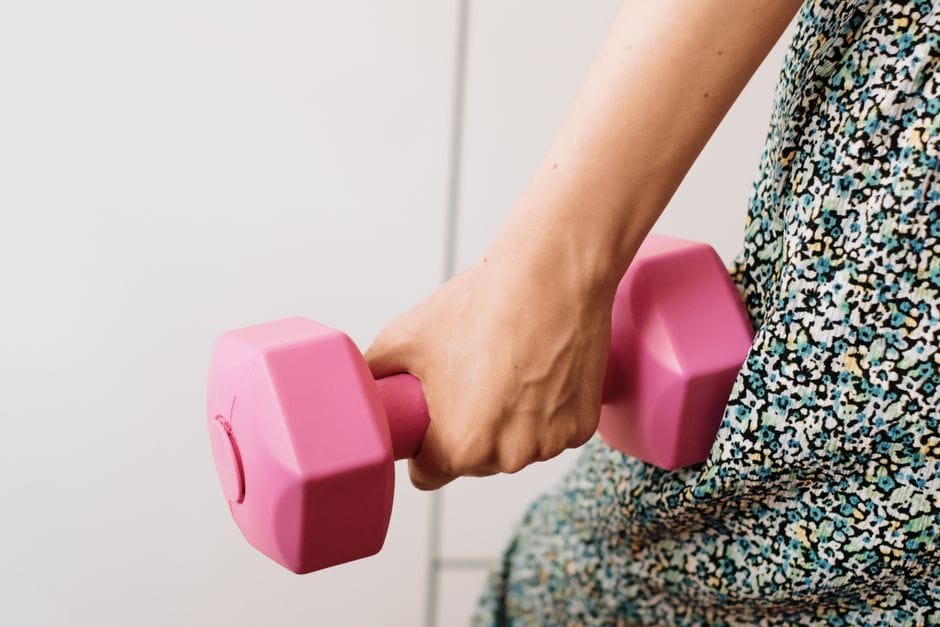
A hammer curl is a bicep-and-forearm exercise performed by holding a dumbbell in each hand with your palms facing your body (a neutral, "hammer" grip) and curling the weight up toward your shoulders without rotating your wrists. Unlike a standard curl, where your palms face forward, the neutral grip stays locked throughout the entire movement.
That grip change shifts more of the workload onto the brachialis and brachioradialis — two muscles that sit underneath and alongside the biceps brachii — along with the forearm muscles responsible for grip strength. The result is thicker-looking arms and a stronger grip, which is why the hammer curl shows up in nearly every serious arm-day program.
Why the hammer curl matters
Most people default to standard curls and never train the brachialis directly, even though it sits underneath the biceps and, when developed, pushes the biceps up and out — contributing more to visible arm size than most lifters realize. Neglecting it is one of the more common reasons arms plateau in size despite consistent bicep training.
The neutral grip is also easier on the wrists and elbows for people who feel discomfort during standard curls, since it keeps the forearm bones in a more natural, unrotated position throughout the lift. That makes the hammer curl a useful substitution, not just an addition, for anyone managing elbow tendon irritation.
Finally, the exercise builds functional grip and forearm strength that carries over directly to deadlifts, pull-ups, farmer's carries, and everyday tasks like carrying groceries or luggage — strength that isolated bicep work alone doesn't build as effectively.
Step-by-step: how to do a hammer curl
- Stand tall with a dumbbell in each hand, arms fully extended at your sides, palms facing your torso (thumbs pointing forward).
- Brace your core and keep your upper arms pinned to your sides — they shouldn't drift forward or swing as you lift.
- Curl both dumbbells up toward your shoulders, keeping your wrists locked in the neutral, palms-in position the entire time — don't let them rotate toward a standard curl.
- Squeeze at the top for a brief pause, focusing on the contraction in your forearm and upper arm rather than momentum carrying the weight.
- Lower with control back to a full arm extension, resisting the urge to let gravity drop the weight.
- Repeat, either alternating arms or curling both dumbbells at the same time.
Aim for 3 sets of 8-12 reps, 2-3 times per week, either as part of an arm-focused day or tacked onto the end of a pull workout.
Common mistakes
Swinging the weight with momentum. Using your hips or back to heave the dumbbell up turns the exercise into a full-body swing instead of an arm exercise, and it's the single most common way people cheat the movement without realizing it. If you can't lift the weight without swinging, it's too heavy.
Letting the elbows drift forward. Your upper arms should stay roughly in line with your torso throughout the lift. When elbows creep forward, the front delts start assisting, which reduces the work your biceps and brachialis are doing and can strain the shoulder over time.
Only curling halfway. Stopping short of full extension at the bottom or full contraction at the top cuts the exercise's effective range of motion, which limits both strength and muscle growth over time. Let the arms fully straighten between reps.
Rushing the eccentric (lowering) phase. Dropping the weight quickly skips the part of the rep that does the most for muscle growth. A slow, controlled 2-3 second lowering phase is worth more than an extra rep or two done fast.
Hammer curl variations
Cross-body hammer curl. Instead of curling straight up, curl the dumbbell diagonally across your body toward the opposite shoulder. This shifts more emphasis onto the brachialis and adds a slight anti-rotation core challenge.
Rope cable hammer curl. Using a cable machine with a rope attachment keeps the neutral grip while adding constant tension throughout the entire range of motion, which many lifters find harder than the dumbbell version at the same relative weight.
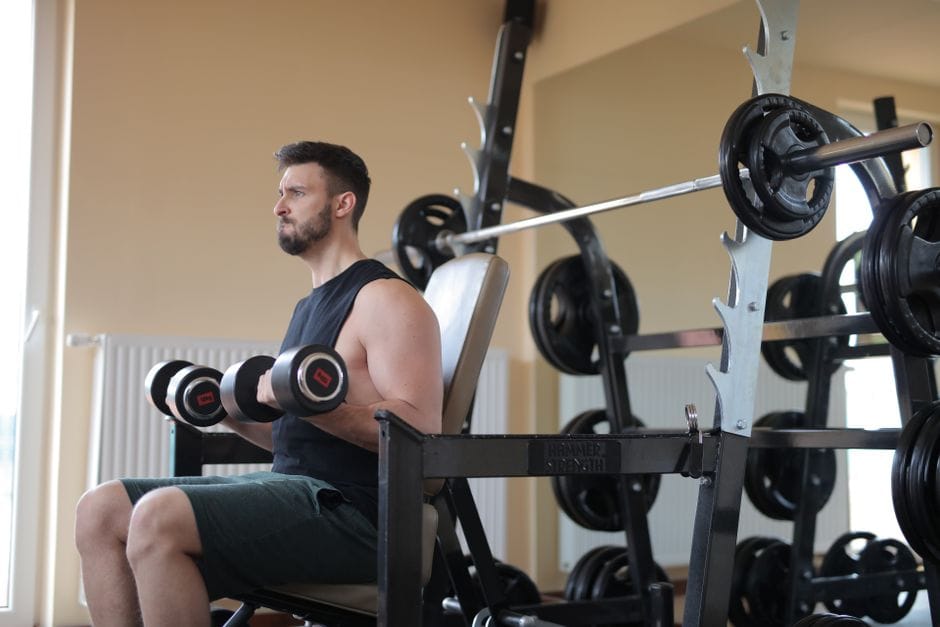
Seated hammer curl. Sitting on a bench removes the ability to swing your body for momentum, forcing stricter form — useful if you're prone to cheating the rep when standing.
Alternating vs. simultaneous. Alternating arms lets you focus more fully on each rep and often allows slightly heavier weight per arm; curling both dumbbells together is faster and adds a small core-stability demand from holding two weights at once.
How the hammer curl fits into a workout
The hammer curl pairs naturally with pulling exercises like rows and pull-ups, since those movements already engage the biceps and forearms as secondary muscles — training hammer curls on the same day keeps the "pull" muscle groups grouped together. It also works well on a dedicated arm day alongside standard curls, tricep work, and any Complete Beginner Workout Split you're following.
Because the exercise is joint-friendly and doesn't require much space or equipment beyond a pair of dumbbells, it's also a solid addition to a Small Space Home Gym setup where a full cable machine isn't available.
The takeaway
The hammer curl earns its place in an arm routine by training muscles the standard curl mostly skips — the brachialis and forearms — while staying easier on the wrists and elbows for people who need that. Keep the elbows pinned, control the lowering phase, and use a weight you can move without swinging, and it becomes one of the most efficient arm exercises in a home or gym routine.
Frequently asked questions
Is the hammer curl better than a regular bicep curl?
Neither is strictly better — they train overlapping but different muscles. The standard curl emphasizes the biceps brachii more directly, while the hammer curl shifts more work to the brachialis and forearms. Most well-rounded arm routines include both.
What muscles does the hammer curl work?
Primarily the brachialis and brachioradialis, with secondary involvement from the biceps brachii and the forearm flexor muscles responsible for grip strength.
Can I do hammer curls every day?
It's not necessary and can slow recovery. Like most resistance exercises, 2-3 sessions per week with at least a day of rest between them gives the muscle time to recover and grow.
What weight should I start with?
Start light enough that you can complete 10-12 clean reps without swinging your body or losing the neutral grip. It's easier to add weight once your form is consistent than to fix bad habits after they've set in.
Read next
Further reading & trusted sources
Worth knowing before you start
Elbows creeping forward is easy to miss on yourself because it happens gradually rep by rep as fatigue sets in, not all at once — recording a single set from the side is usually the fastest way to catch it. A neutral grip that stays truly locked feels almost boring compared to a standard curl, and that lack of wrist rotation is exactly the signal the exercise is being done correctly rather than a sign something’s wrong.
Maya’s editorial obsession is the gap between fitness hype and what the evidence actually shows — she’d rather hand you one boring habit that works than ten exciting ones that don’t. She builds FitNourish’s guides from mainstream, well-established sources (the CDC, the NHS, Mayo Clinic, and peer-reviewed research) and has a human review every one for accuracy before it publishes. She and the team are dedicated fitness enthusiasts and researchers, not doctors, so everything here is general information rather than medical advice. AI tools help with the research and drafting; the fact-checking and judgement are human.