 By Maya Reed, Editor
Reviewed & updated September 2026 · Researched, AI-assisted & human-reviewed
Educational information only — not medical advice. Learn more
This article is for general information and is not medical advice. If you have a heart condition, are pregnant, or have any medical concerns, talk to a doctor before using saunas or cold exposure.
Ice baths and saunas have exploded from niche athlete habits into mainstream wellness trends, fuelled by podcasts, social media, and a wave of research into how deliberate heat and cold affect the body. Beneath the hype, there's some genuinely interesting science — and also a lot of overblown claims. This guide separates what the research reasonably supports from what's still speculative, so you can decide whether either is worth your time.
 Skip ahead toCurated by Maya · 6 min read
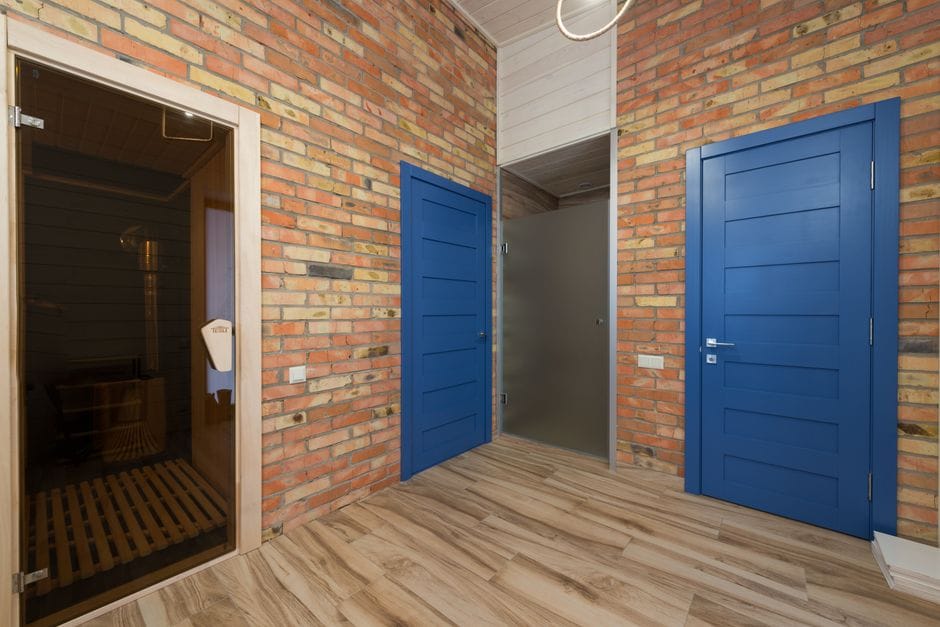
Sauna: the science of deliberate heat
Heat exposure from saunas has been studied more than many people realize, particularly in populations where regular sauna use is a cultural norm.
What the research reasonably supports:
- Cardiovascular health. Long-term observational studies have associated frequent sauna use with better cardiovascular outcomes and lower risk of certain heart-related events. The heat raises your heart rate and relaxes blood vessels in ways that loosely mimic moderate exercise.
- Recovery and relaxation. Many people find sauna use eases muscle tension and aids relaxation, and it may help with post-exercise recovery and stress reduction.
- Perceived well-being. Regular use is commonly associated with improved mood and sleep quality for many people.
Keep in mind: much of the strongest sauna data is observational (it shows associations, not proof of cause), and the people who sauna frequently may differ in other ways. It's promising, not a miracle.
How it's typically done: sessions of roughly 10–20 minutes at a tolerable temperature, with the cardiovascular associations strongest in studies where people used a sauna several times per week. Always hydrate, and step out if you feel unwell.
Cold therapy: the science of deliberate cold
Cold plunges, ice baths, and cold showers are the trendier half of the pairing — and here the science is genuinely more mixed.
What the research reasonably supports:
- Reduced soreness and perceived recovery. Cold-water immersion can reduce muscle soreness and help you feel recovered after intense exercise, which is why many athletes use it around competition.
- Alertness and mood. Many people report a sharp boost in alertness, energy, and mood after cold exposure, and there's plausible physiology behind that "jolt."
Where it's more complicated:
- It may blunt some training adaptations. Intriguingly, research suggests that regular cold-water immersion immediately after strength or muscle-building workouts might actually reduce some of the muscle and strength gains, because the inflammation cold suppresses is part of how muscles adapt and grow. If your goal is building muscle, it may be best to avoid icing right after lifting.
- Many bold claims are unproven. Dramatic promises about metabolism, fat loss, and immunity from cold plunges run well ahead of the current evidence.
How it's typically done: brief exposure — often just a few minutes in cold water — is enough for most reported benefits. More is not necessarily better, and the cold carries real risks if overdone.

So should you do either?
A reasonable, evidence-informed take:
- Sauna has the more consistent long-term health associations and is generally low-risk for healthy people — a pleasant habit with plausible cardiovascular and relaxation benefits.
- Cold therapy is best thought of as a tool for feeling recovered, alertness, and enjoyment — not a proven health transformer. Mind the timing: if building muscle is your goal, don't ice immediately after strength workouts.
- Neither is a substitute for the basics. Sleep, nutrition, regular exercise, and stress management do far more for your health than any plunge or sweat session. See why sleep is the secret weapon of fitness.
Safety first
Both heat and cold are physical stressors. Use common sense:
- Talk to a doctor first if you have heart problems, blood pressure issues, are pregnant, or have any medical condition.
- Never do cold immersion alone in open water, and ease in gradually.
- Hydrate around sauna sessions and don't combine extreme heat with alcohol.
- Stop immediately if you feel dizzy, faint, or unwell.
Frequently asked questions
Are saunas actually good for you?
Research, much of it observational, links regular sauna use with cardiovascular benefits, better recovery, and improved well-being for many people. It's promising and generally low-risk for healthy adults, though not a guaranteed cure for anything. Check with a doctor if you have heart concerns.
Do ice baths really help recovery?
Cold-water immersion can reduce muscle soreness and help you feel recovered after intense exercise. However, regular icing right after strength workouts may blunt muscle and strength gains, so timing depends on your goals.
Does cold exposure boost metabolism or burn fat?
Claims about significant fat loss or metabolism boosts from cold plunges go beyond the current evidence. Any effect is small and not a meaningful weight-loss strategy. Focus on diet and overall activity instead.
Should I do cold therapy after lifting weights?
If your main goal is building muscle or strength, it may be best to avoid cold immersion immediately after lifting, since the inflammation it suppresses is part of how muscles adapt. Use it on rest days or well after training instead.
The bottom line
Deliberate heat and cold both have real, interesting science behind them — but with different strengths. Sauna use has the more consistent long-term health associations; cold therapy is most reliable for easing soreness and boosting alertness, with timing that matters for muscle goals. Enjoy them as helpful extras if you like them, stay safe, and remember they sit on top of the real foundations: sleep, food, movement, and consistency.
Next, read why sleep is the secret weapon of fitness and the best foods for muscle recovery.
Read next


Related articles
- Small Space Home Gym Ideas: Set One Up in Any Apartment
- Why Strength Training May Help You Live Longer (The Research)
- VO2 Max: Why This Fitness Number May Predict How Long You Live
- Gut Microbiome and Health: What the Research Says
- Zone 2 Cardio: The Science of Training Slow to Get Fitter
- How to Build a Workout Routine from Scratch
Further reading & trusted sources
Worth knowing before you start
Sauna and cold both feel dramatic and can aid recovery and mood, but they’re finishing touches — not a replacement for sleep and sensible training. Skip cold right after strength work if muscle growth is the goal.
Maya’s editorial obsession is the gap between fitness hype and what the evidence actually shows — she’d rather hand you one boring habit that works than ten exciting ones that don’t. She builds FitNourish’s guides from mainstream, well-established sources (the CDC, the NHS, Mayo Clinic, and peer-reviewed research) and has a human review every one for accuracy before it publishes. She and the team are dedicated fitness enthusiasts and researchers, not doctors, so everything here is general information rather than medical advice. AI tools help with the research and drafting; the fact-checking and judgement are human.