 By Maya Reed, Editor
Reviewed & updated September 2026 · Researched, AI-assisted & human-reviewed
Educational information only — not medical advice. Learn more
A treadmill is the default answer to "how do I do cardio at home," and it's usually the wrong one — it's expensive, it's heavy, and it eats a corner of a room you don't have to spare. There's a whole tier of cardio gear that costs less than a pair of sneakers and folds away or hangs on a hook.
This article is general fitness information, not medical advice — check with a doctor before starting a new exercise routine, especially if you have joint or heart concerns.
 What this guide coversCurated by Maya · 7 min read
- Why skip the treadmill entirely
- Jump rope — the best dollar-for-dollar cardio tool
- Mini stepper or step platform
- Resistance band cardio circuits
- Slam ball or a single kettlebell
- Door-anchor cardio: mountain climbers, high knees, shadow boxing
- Building a realistic small-space cardio routine
- Storage and noise — the two real constraints
- The takeaway
- Related articles
- Further reading & trusted sources
Why skip the treadmill entirely
Treadmills solve one problem — walking or running in place — and create three more: they're loud enough to bother neighbors below you, they need a dedicated 3×6 foot footprint even folded, and a decent one starts around $400. In a small apartment, that trade rarely makes sense unless running is genuinely your main sport.
The equipment below gets your heart rate up just as effectively, costs a fraction as much, and stores in a drawer or closet.
Jump rope — the best dollar-for-dollar cardio tool
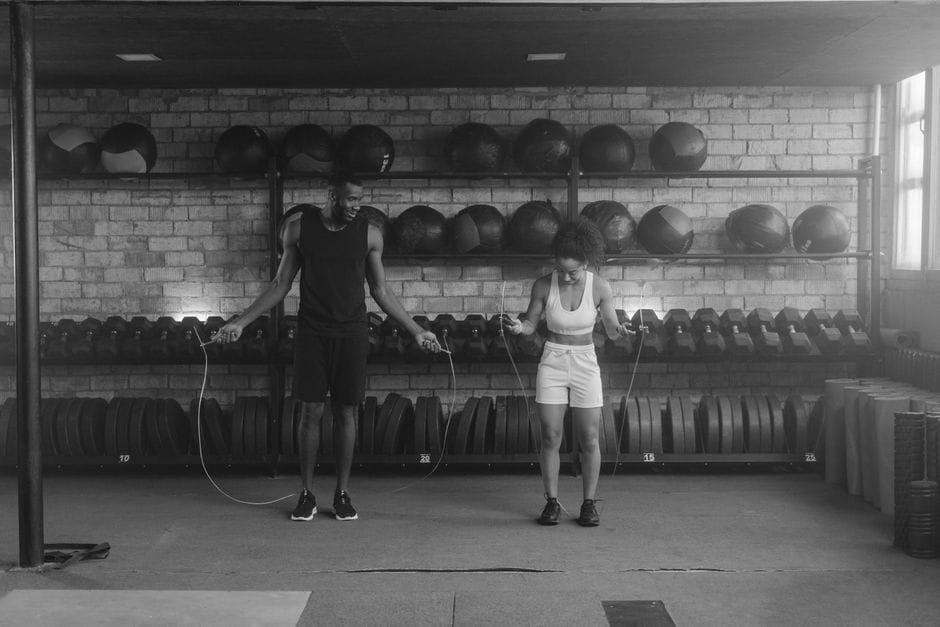
A jump rope is the single most efficient piece of cardio gear that exists. Ten minutes of steady jumping burns roughly what fifteen to twenty minutes of jogging does, and a good rope costs $10-15.
- Get a weighted or beaded rope as a beginner — it's easier to time your jumps than a thin speed rope.
- Ceiling height matters more than floor space: you need about 7 feet of clearance.
- Start with intervals (30 seconds on, 30 off) rather than trying to jump continuously — the calf endurance takes a few weeks to build.
Mini stepper or step platform
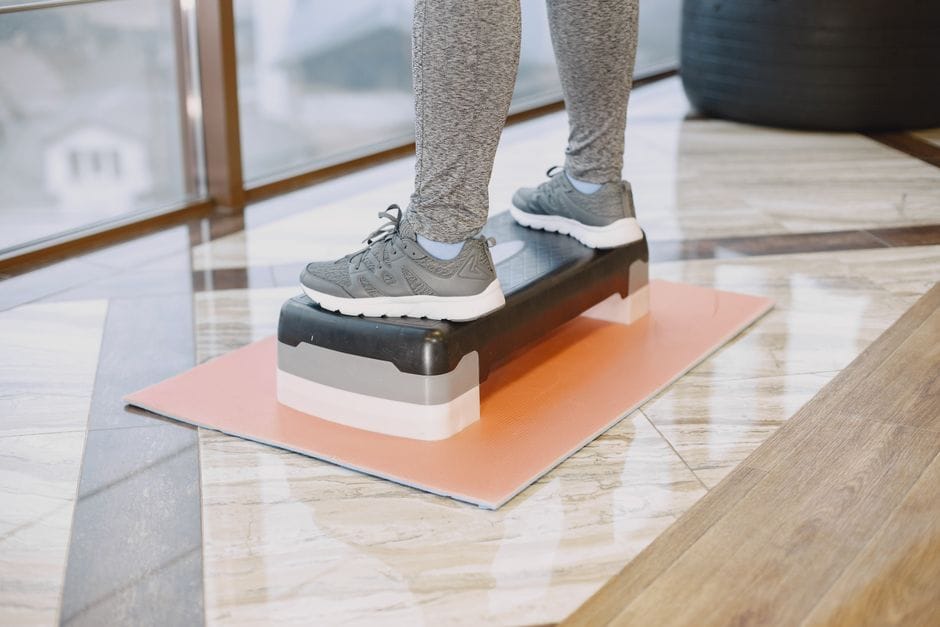
A mini stepper (the kind with two independent pedals and hydraulic resistance) is about the size of a shoebox and gives you a low-impact, joint-friendly cardio session you can do while watching TV. Prices run $30-60. A simple aerobic step platform is even cheaper — $20-25 — and works for step-ups, which double as a light leg workout.
Both store flat under a bed or in a closet, which is the real advantage over almost anything else on this list.
Resistance band cardio circuits
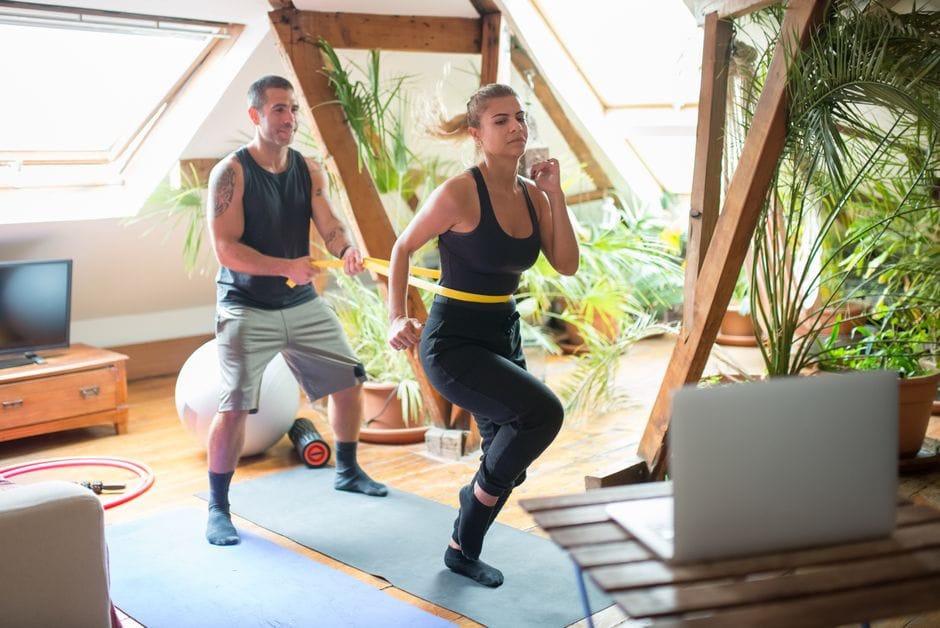
Bands aren't just for strength work. A set of loop bands used in a fast circuit — lateral walks, jumping jacks with band resistance, high-knee marches — raises your heart rate surprisingly quickly because you're fighting resistance on every rep, not just gravity. A full set costs $10-20 and fits in a drawer.
Slam ball or a single kettlebell
A 10-15 lb slam ball ($20-30) turns full-body movements — slams, squat-to-press throws, rotational tosses against a wall — into genuine cardio work. It's louder than bands but quieter than jumping, which makes it a decent option for a downstairs apartment where footfall noise is the concern rather than floor impact.
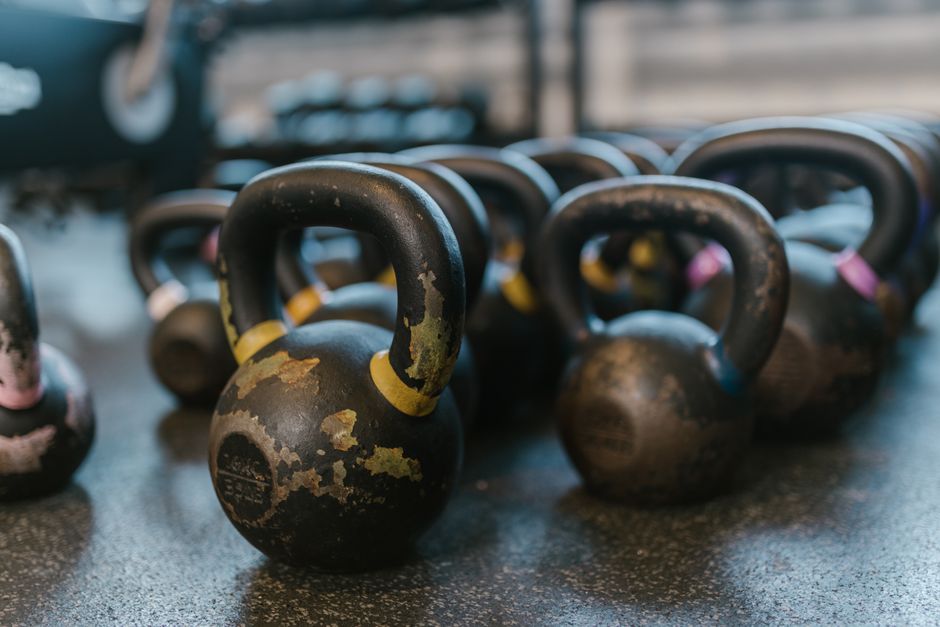
A single kettlebell used for swings does something similar. Swings are one of the few strength movements that also spike your heart rate like cardio, so one piece of equipment covers two bases.
Door-anchor cardio: mountain climbers, high knees, shadow boxing
The cheapest tier is technically free — bodyweight cardio done in intervals. What actually makes this work in a small space is structure, not equipment: pick 3-4 movements (mountain climbers, high knees, squat jumps, shadow boxing), do 40 seconds of work with 20 seconds of rest, and repeat for 15-20 minutes. A $10 interval timer app removes the only real friction, which is watching the clock.
Building a realistic small-space cardio routine
A workable weekly setup for most small apartments looks like:
- 2 days: jump rope intervals (10-15 minutes)
- 1 day: resistance band or bodyweight circuit (20 minutes)
- 1 day: mini stepper or step-ups while catching up on a show (20-30 minutes, low intensity)
That's four sessions using under $60 of total equipment, none of which needs a dedicated space when you're not using it.
Storage and noise — the two real constraints
In a small space, the equipment that "wins" isn't the most effective in isolation, it's the one you'll actually pull out and put away without friction. Prioritize gear that:
- Fits in a drawer, under a bed, or on a single hook (rope, bands, slam ball all qualify)
- Doesn't require assembly each time
- Matches your noise tolerance — jumping and slamming are louder; bands and stepping are quieter
The takeaway
You don't need a treadmill, and you don't need much money, to get a real cardio session in a small apartment. A jump rope, a set of resistance bands, and either a mini stepper or a slam ball cover almost every cardio need for under $75 combined, store away in seconds, and won't upset downstairs neighbors if you pick the quieter options on the days that matter.
Frequently asked questions
Is jump rope really as effective as running?
For cardiovascular conditioning, yes — jump rope raises your heart rate comparably to running at a moderate pace, and often faster, because it engages your whole body. It's higher-impact on the joints, so alternate it with lower-impact options like a stepper if you have any knee sensitivity.
What's the quietest cardio option for an apartment?
Resistance band circuits and a mini stepper are the quietest options here, since neither involves impact against the floor. Jump rope and slam balls are the loudest.
Can I get a real cardio workout with just bodyweight moves?
Yes. Structured interval work (30-45 seconds on, 15-20 seconds rest) with moves like mountain climbers, high knees, and squat jumps is genuinely effective cardio — the equipment mainly adds variety and a bit more intensity, not a requirement.
How much should I expect to spend total?
A jump rope, a full set of loop resistance bands, and either a mini stepper or a slam ball together typically run $60-90, and all three pack away into a small drawer or closet shelf.
Read next

Related articles
- 7 Best Protein Powders for Beginners in 2026 (Honest Guide)
- 6 Best Creatine Supplements for Beginners (2026)
- 6 Best Massage Guns for Sore Muscles (2026)
- 6 Best Foam Rollers for Recovery (2026)
- 8 Best Adjustable Dumbbells for Small Spaces in 2026
- 7 Best Resistance Bands for Home Workouts (2026)
Further reading & trusted sources
Worth knowing before you start
A $12 jump rope gets used far more often than a $400 treadmill crammed into a corner, mainly because it has zero setup friction and stores in a drawer. The equipment that ‘wins’ for consistency is almost never the most powerful option on paper, it’s the one with nothing standing between you and starting.
Maya’s editorial obsession is the gap between fitness hype and what the evidence actually shows — she’d rather hand you one boring habit that works than ten exciting ones that don’t. She builds FitNourish’s guides from mainstream, well-established sources (the CDC, the NHS, Mayo Clinic, and peer-reviewed research) and has a human review every one for accuracy before it publishes. She and the team are dedicated fitness enthusiasts and researchers, not doctors, so everything here is general information rather than medical advice. AI tools help with the research and drafting; the fact-checking and judgement are human.