 By Maya Reed, Editor
Reviewed & updated September 2026 · Researched, AI-assisted & human-reviewed
Educational information only — not medical advice. Learn more
The Romanian deadlift (RDL) looks like a simpler cousin of the conventional deadlift, but it's actually a different movement with its own rules — and getting those rules wrong is the fastest way to turn a hamstring exercise into a lower-back problem. Once the hip hinge pattern clicks, though, it becomes one of the most useful posterior-chain moves you can do.
This article shares general fitness information, not medical advice. If you have a back injury or ongoing pain, check with a doctor or physical therapist before adding RDLs to your routine.
 Jump to a sectionCurated by Maya · 7 min read
What makes the RDL different from a regular deadlift
A conventional deadlift starts from the floor, with the bar resting at a dead stop between reps and the knees bending substantially to reach it. An RDL starts from a standing position, keeps the knees only slightly bent throughout, and the weight typically doesn't touch the floor between reps — it lowers to about mid-shin or knee height before reversing. The RDL is built specifically to load the hamstrings and glutes through a hip hinge, rather than sharing the work across the quads the way a conventional deadlift does.
Setting up the starting position
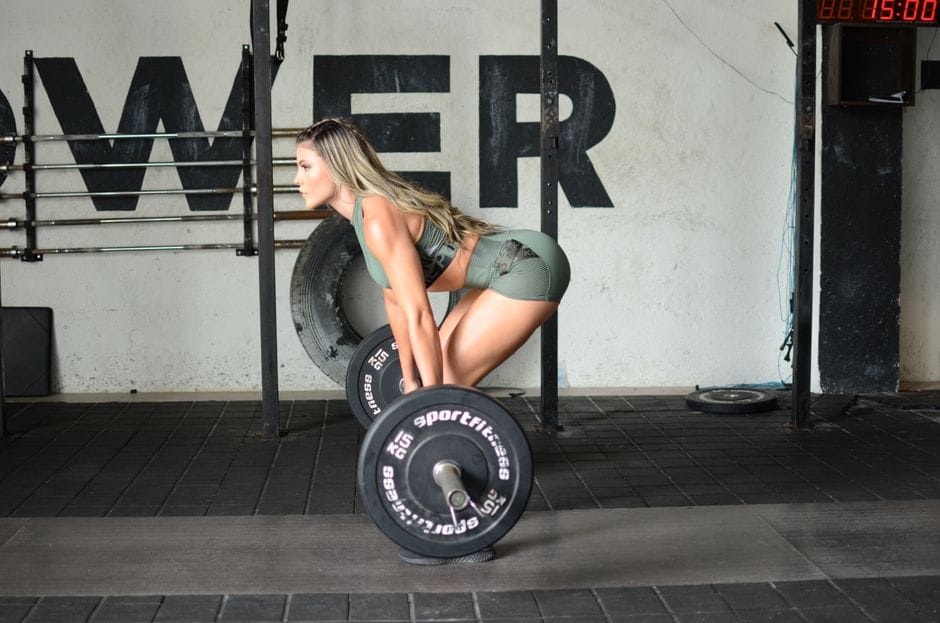
Stand with feet hip-width apart, holding a barbell or a pair of dumbbells in front of your thighs with an overhand grip. Your knees should have a slight, fixed bend — not locked straight, but not bending further as the rep progresses. Pull your shoulders back and brace your core before you move; this starting tightness is what keeps your spine in one piece as you hinge forward.
The hinge itself
- Push your hips straight back. Imagine trying to close a car door with your hips while keeping your knees mostly still. The weight should stay close to your legs the entire way down, sliding along your thighs and shins rather than drifting forward.
- Keep your back flat, not rounded. A slight natural arch in your lower back should hold from the top of the rep to the bottom. If you feel your back rounding, that's the signal to stop lowering — you've gone past your current hamstring flexibility, not your strength.
- Lower until you feel a stretch, not pain. Most people stop somewhere between knee and mid-shin height. Flexibility, not a fixed range, decides how far down you go.
- Drive your hips forward to stand back up. Squeeze your glutes at the top rather than yanking the weight up with your lower back — the glutes and hamstrings, not the spine, should be doing the finishing work.
The most common mistakes
- Bending the knees like a squat. The RDL is a hip hinge, not a knee-dominant movement. Excess knee bend shifts the work away from the hamstrings and turns it into a hybrid squat-deadlift.
- Letting the bar drift away from the legs. The farther the weight travels from your body, the more strain your lower back absorbs to hold it up. Keep it brushing your thighs and shins the whole way down.
- Rounding the back to chase more range. More depth with a rounded spine is not an improvement — it's a trade of hamstring stretch for lower-back stress that isn't worth making.
- Standing up by yanking with the lower back. The finish should come from squeezing the glutes and driving the hips forward, not jerking the torso upright.
Dumbbell vs. barbell RDL
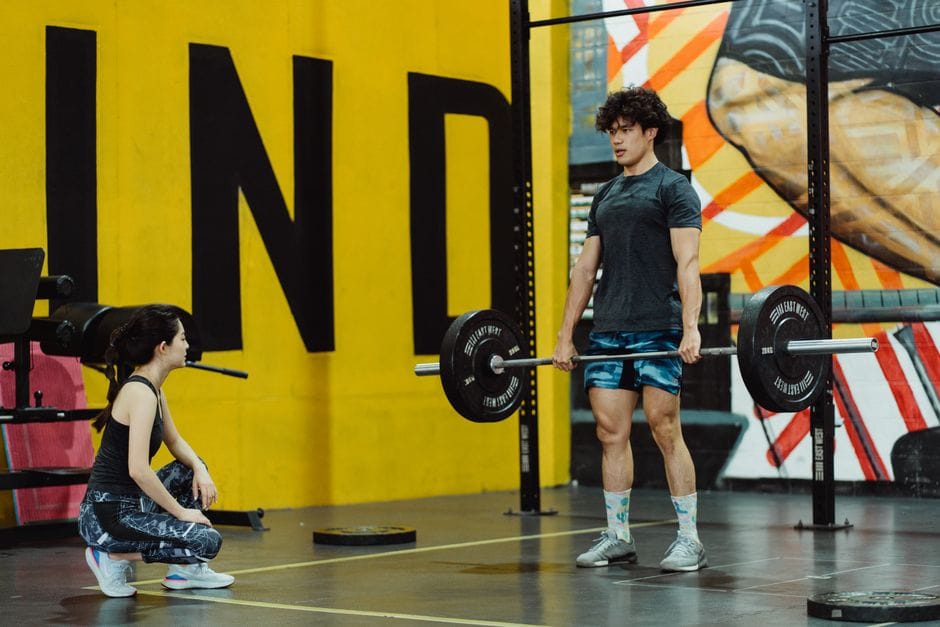
Dumbbells let each side move independently, which is useful for correcting a side-to-side imbalance and tends to feel more natural for beginners still learning the hinge pattern. A barbell allows heavier total loading and a slightly more consistent bar path once the pattern is dialed in, since both hands are locked onto one fixed object. Many lifters start with dumbbells to nail the hinge, then move to a barbell once the movement feels automatic and they want to add real weight.
How to build up to it safely
If pushing your hips back while keeping a flat back feels awkward at first, practice the hinge with no weight at all — hands resting lightly on your hips, just working the pattern in a mirror until it feels natural. From there, add light dumbbells or a resistance band before loading a barbell. A useful cue: tap your hips gently against a wall or doorframe behind you to build the feeling of pushing the hips straight back instead of squatting down.
How often and how much
Two to three sets of eight to twelve reps, once or twice a week, works well for most people building the pattern — enough reps to reinforce the hinge without so much fatigue that your back rounds by the last set. Add weight gradually, and treat any back rounding as a sign to reduce the range of motion or the load, not push through it.
The takeaway
A proper Romanian deadlift comes down to a hip hinge with a flat back, a weight that stays close to your legs, and knees that barely bend — nail those three things and the exercise does exactly what it's supposed to: build serious hamstring and glute strength without beating up your lower back. Start light, keep the bar close, and let your hamstring flexibility — not ambition — decide how deep you go.
Frequently asked questions
Is the Romanian deadlift bad for your lower back?
Not inherently — most lower-back discomfort from RDLs comes from rounding the spine to chase extra range or letting the weight drift away from the body, not from the movement itself when done with good form.
What's the difference between an RDL and a stiff-leg deadlift?
They're similar, but the RDL keeps a slight, fixed knee bend throughout, while a stiff-leg deadlift keeps the knees nearly locked straight, putting even more emphasis on hamstring flexibility. Most beginners find the RDL more comfortable to learn.
What muscles does the Romanian deadlift work?
Primarily the hamstrings and glutes, with real secondary work for the lower back and grip, since holding a heavy weight through a hinge challenges both.
How low should I go on a Romanian deadlift?
As low as you can while keeping your back flat — usually somewhere between knee and mid-shin height. Depth should be limited by hamstring flexibility, not by how far you can force the weight down.
Read next


Further reading & trusted sources
A common mistake to skip
The RDL’s depth limit is set by hamstring flexibility, not lower-back strength, which is why forcing the bar lower once the back starts to round doesn’t build more muscle — it just trades hamstring stretch for spinal stress. A weight that drifts even a couple inches off the shins turns a hamstring exercise into a lower-back one almost immediately, since load only stays on the target muscles as long as it tracks close to the body.
Maya’s editorial obsession is the gap between fitness hype and what the evidence actually shows — she’d rather hand you one boring habit that works than ten exciting ones that don’t. She builds FitNourish’s guides from mainstream, well-established sources (the CDC, the NHS, Mayo Clinic, and peer-reviewed research) and has a human review every one for accuracy before it publishes. She and the team are dedicated fitness enthusiasts and researchers, not doctors, so everything here is general information rather than medical advice. AI tools help with the research and drafting; the fact-checking and judgement are human.