 By Maya Reed, Editor
Reviewed & updated September 2026 · Researched, AI-assisted & human-reviewed
Educational information only — not medical advice. Learn more
Protein advice online ranges from "just hit the RDA" to "eat a gram per pound of bodyweight or you're wasting your workouts." Both extremes miss the point — the right number depends on your goals, activity level, and body size, and it's simpler to figure out than the debate makes it sound.
This article is for general fitness information only and is not a substitute for medical advice. If you have any health conditions, consult a qualified healthcare professional before changing your diet significantly.
 Quick navigationCurated by Maya · 6 min read
The Baseline: RDA vs. Real-World Needs
The official Recommended Dietary Allowance (RDA) is 0.36 grams per pound of bodyweight (about 0.8g/kg) — but that number was set to prevent deficiency in sedentary adults, not to support muscle maintenance, strength training, or an active lifestyle. It's a floor, not a target.
For most people who exercise regularly, research consistently points to a higher, more useful range: roughly 0.7 to 1.0 grams of protein per pound of bodyweight (1.6–2.2g/kg). Within that range, where you land depends on your goal.
Protein Targets by Goal
Building muscle: Aim for 0.8–1.0g per pound of bodyweight. Muscle protein synthesis needs a steady surplus of amino acids available, especially when training with progressive overload.
Losing fat while preserving muscle: This is actually where protein needs go up, not down. In a calorie deficit, 0.8–1.0g per pound helps protect lean mass so the weight you lose is more likely to be fat rather than muscle.
General health and maintenance: 0.6–0.8g per pound covers most people who exercise moderately (2–4 times a week) without a specific muscle-building or fat-loss push.
Sedentary but wanting a buffer: Even without training, 0.5–0.6g per pound supports better satiety and slower muscle loss with age than the bare RDA.
A Simple Example
A 160-pound person aiming to build muscle would target roughly 128–160 grams of protein a day (160 × 0.8 to 160 × 1.0). Spread across three to four meals, that's about 35–45 grams per sitting — a chicken breast, a couple of eggs plus Greek yogurt, or a protein shake with a meal each cover a good chunk of that.

Does Protein Timing Actually Matter?
Total daily intake matters far more than precise timing. The idea of a narrow "anabolic window" right after training has been walked back by more recent research — what matters more is hitting your daily total consistently and not going more than about 4–5 hours between protein-containing meals.
That said, spreading protein evenly across the day (rather than getting most of it at dinner) does appear to support muscle protein synthesis slightly better than front- or back-loading it.
Can You Eat Too Much Protein?
For most healthy adults, no — protein intake up to around 1g per pound of bodyweight has not been shown to cause kidney damage in people with normal kidney function. Beyond that range, there's simply less research showing added benefit, not clear evidence of harm, so extremely high intakes mostly just aren't necessary rather than dangerous.
People with existing kidney disease are the exception and should follow their doctor's specific guidance rather than general fitness targets.
Best Protein Sources to Hit Your Number
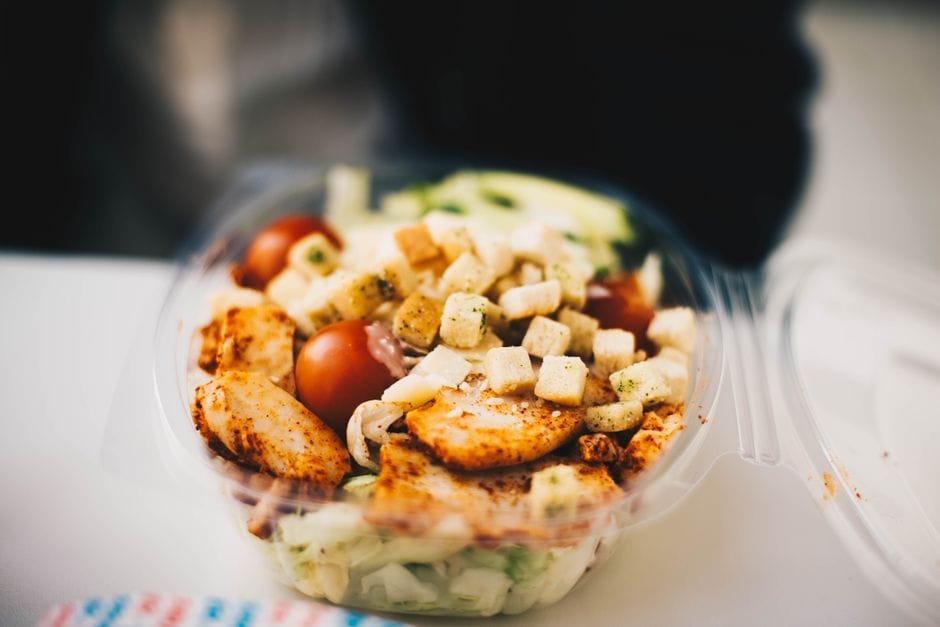
Animal sources (complete amino acid profile): chicken breast, turkey, eggs, Greek yogurt, cottage cheese, fish, lean beef.
Plant sources (combine for a complete profile): lentils, chickpeas, tofu, tempeh, edamame, quinoa, seitan.
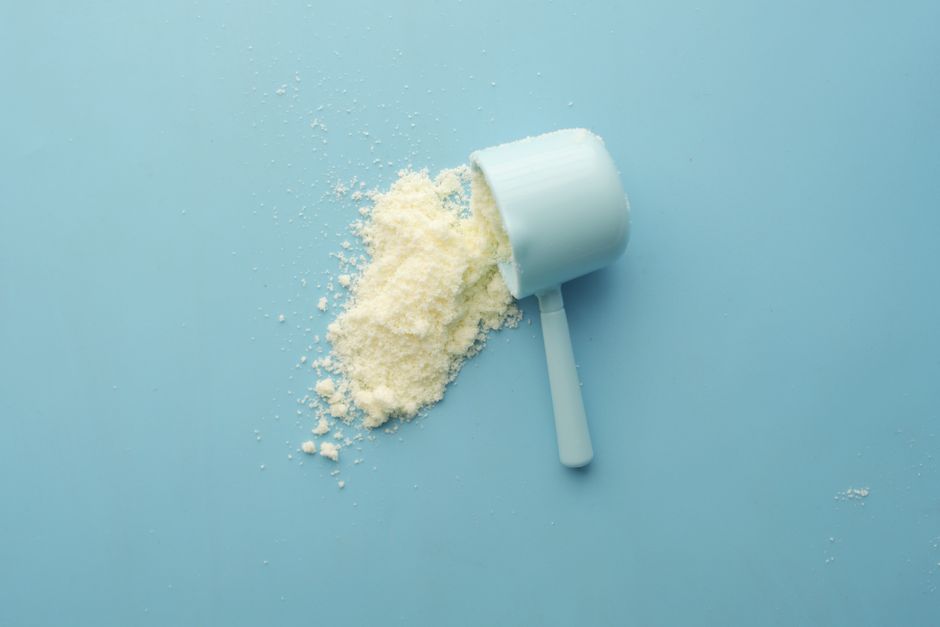
Convenient add-ins: whey or plant-based protein powder, cottage cheese, string cheese, jerky — useful for closing a daily gap without a full meal.
Common Mistakes That Keep People Under Target
Only counting protein at dinner. Breakfast and lunch are usually the biggest gaps — a bowl of cereal or a plain sandwich can leave a meal with under 15 grams.
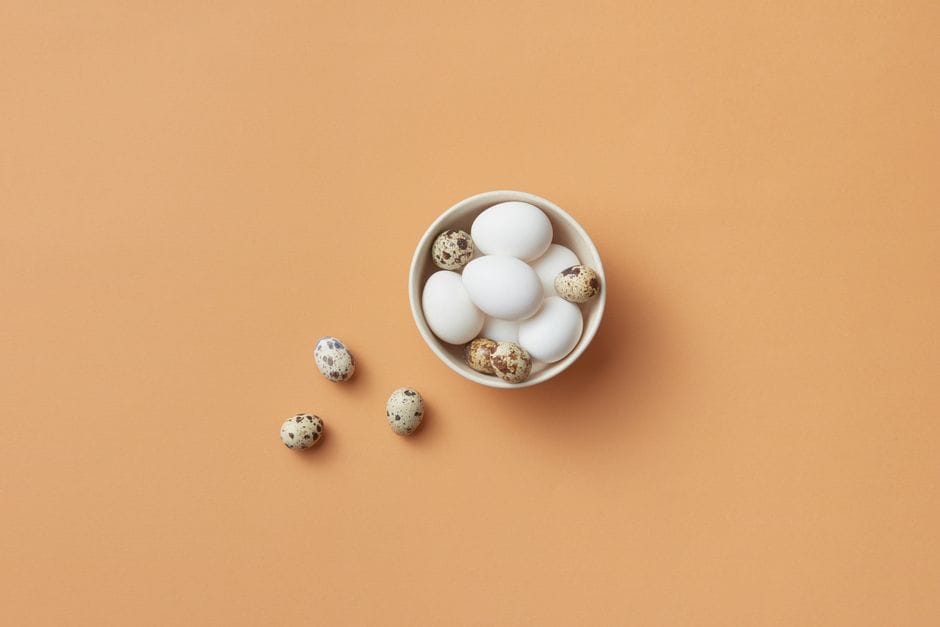
Underestimating how much a "serving" actually provides. A single egg only has about 6 grams; three or four eggs plus a side is closer to a real protein-forward meal.
Relying on protein bars as a primary source. Many bars are more sugar and fiber filler than protein — check the label rather than assuming.
Not adjusting the target after weight changes. If bodyweight shifts significantly, the gram target should be recalculated rather than left at an old number.
The Takeaway
Most active adults do best somewhere between 0.7 and 1.0 grams of protein per pound of bodyweight, with the exact number shifting based on whether the goal is building muscle, losing fat, or general maintenance. Total daily intake and consistency across meals matter more than hitting an exact number or timing protein around a workout. Pick a target based on your goal, spread it across 3–4 meals, and adjust as your bodyweight or activity level changes.
Frequently Asked Questions
Is 1 gram of protein per pound of bodyweight necessary?
Not necessary for most people, but it's a reasonable, safe upper-range target for those actively building muscle or in a fat-loss phase. Many people do well slightly below that, around 0.7–0.8g per pound.
Do I need protein powder to hit my target?
No. Whole food sources like chicken, eggs, Greek yogurt, and legumes can cover the full range for most people. Protein powder is simply a convenient, lower-effort option, not a requirement.
Is too much protein bad for your kidneys?
For people with normal kidney function, research hasn't shown that higher protein intake within typical fitness ranges (up to about 1g per pound) causes kidney damage. People with existing kidney disease should follow their doctor's guidance instead of general targets.
Should I eat more protein on rest days?
Keep it roughly the same. Muscle repair and protein synthesis continue on rest days, so daily intake still matters even without a workout that day.
Read next


Further reading & trusted sources
The part that actually matters
The 30-minute post-workout ‘anabolic window’ gets far more attention than it deserves — studies comparing total daily protein intake to precise timing consistently find the daily total matters more. The bigger real-world gap for most people isn’t dinner, it’s breakfast and lunch quietly running low on protein while dinner does most of the heavy lifting.
Maya’s editorial obsession is the gap between fitness hype and what the evidence actually shows — she’d rather hand you one boring habit that works than ten exciting ones that don’t. She builds FitNourish’s guides from mainstream, well-established sources (the CDC, the NHS, Mayo Clinic, and peer-reviewed research) and has a human review every one for accuracy before it publishes. She and the team are dedicated fitness enthusiasts and researchers, not doctors, so everything here is general information rather than medical advice. AI tools help with the research and drafting; the fact-checking and judgement are human.