 By Maya Reed, Editor
Reviewed & updated September 2026 · Researched, AI-assisted & human-reviewed
Educational information only — not medical advice. Learn more
Walk down any supplement aisle and pre-workout products promise everything from "explosive energy" to "skin-splitting pumps." Most of that is marketing. This guide breaks down which ingredients in a pre-workout actually have research behind them, which ones are mostly hype, and how to pick a first one without wasting money or overdoing the stimulants.
This article is general fitness information, not medical advice — talk to a doctor before starting any new supplement, especially if you have a heart condition, are pregnant, or take medication.
 On this pageCurated by Maya · 7 min read
What Pre-Workout Actually Is
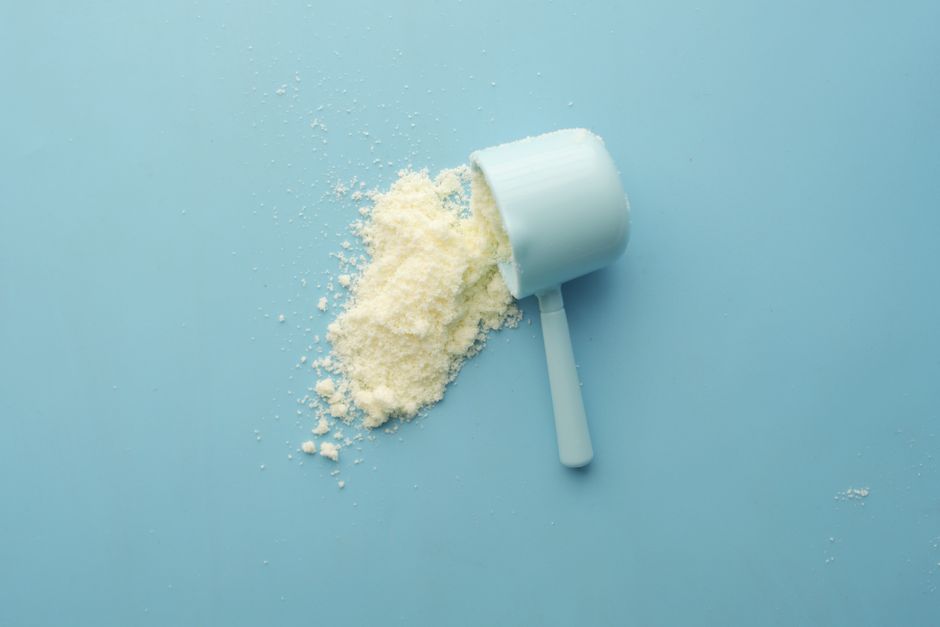
A pre-workout is simply a supplement, usually a powder mixed with water, taken 20-30 minutes before training to boost energy, focus, and performance. It's not a single ingredient — it's a blend, and the quality of that blend varies enormously between brands. Some are built around a big caffeine hit and little else; others include a handful of ingredients that each do something measurable. Understanding what's actually in the tub matters more than the flashy name on the label.
The Ingredients With Real Evidence Behind Them
Caffeine (150-300mg). The most reliably effective ingredient in almost any pre-workout. It improves alertness, reduces perceived effort, and has decades of research supporting modest performance gains in both strength and endurance work. For reference, a cup of coffee has roughly 95mg, so many pre-workouts pack in the equivalent of two to three cups in one scoop.
Creatine monohydrate (3-5g). One of the most studied supplements in existence, with strong evidence for improved strength and power output over time. It doesn't produce an immediate "feeling" like caffeine does — its benefits build with consistent daily use, not from a single pre-workout dose.
Beta-alanine (2-5g). Known for causing a harmless tingling sensation in the face and hands, beta-alanine helps buffer acid buildup in muscles during higher-rep, higher-intensity work. The evidence is solid for activities lasting one to four minutes of sustained effort, like circuit training or longer sets.
Citrulline malate (6-8g). Supports nitric oxide production, which can modestly improve blood flow ("the pump") and has some evidence for reducing muscle soreness. The effective dose is higher than most labels list — many cheaper products underdose this ingredient to cut costs.
Ingredients That Are Mostly Filler
Proprietary "energy blends" that don't list individual ingredient amounts are a red flag — it's impossible to know if you're getting an effective dose of anything, or mostly cheap fillers padded with a little caffeine. Ingredients like taurine, tyrosine, and various "focus" compounds have thinner research behind them for exercise performance specifically, even if they aren't harmful. They're not scams, just not proven to move the needle much on their own.

How to Choose Your First One
For a beginner, the simplest and safest approach is picking a product that lists exact doses for each ingredient (not a blend) and starting with a half scoop to gauge tolerance, especially for caffeine sensitivity. A reasonable beginner-friendly formula includes:
- Caffeine: 150-200mg (on the lower end to start)
- Creatine: 3-5g
- Beta-alanine: 2-3g
- Citrulline malate: 6g
If a product's label won't tell you exact amounts, it's difficult to evaluate whether it's actually worth the price versus just making coffee and taking creatine separately.
Do You Even Need One?
Pre-workout is a convenience product, not a necessity. Plenty of people train hard and make consistent progress without ever touching it. A cup of black coffee provides most of the practical energy benefit, and creatine can be taken any time of day (it doesn't need to be "pre" anything to work — total daily intake is what matters). Pre-workout mainly earns its keep for people who train early morning, feel consistently sluggish before sessions, or simply enjoy the ritual and flavor.
Timing and Dosage Basics
Most pre-workouts work best taken 20-30 minutes before training, giving caffeine time to absorb. Avoid taking it within about 6 hours of bedtime, since caffeine's half-life (roughly 5-6 hours for most people) means a late-afternoon scoop can still be affecting sleep quality at night. Start with a half dose for the first week to assess your personal tolerance — jitters, nausea, or a racing heart are signs to scale back, not push through.
Common Mistakes Beginners Make
Taking a full scoop the first time. Tolerance to stimulants varies widely; starting at half dose avoids an unpleasant first experience.
Stacking with other caffeine sources. Coffee plus a full-dose pre-workout can easily exceed 400mg of caffeine, which is where side effects like jitteriness and elevated heart rate become more common.
Using it every single day. Regular use builds tolerance to the stimulant effect over time, so some people cycle off periodically (a few days to a week) to keep it feeling effective.
[TAKE] The ingredient list matters more than the marketing claims on the front of the tub — look for exact doses of caffeine, creatine, beta-alanine, and citrulline malate rather than a vague "proprietary blend."
The Takeaway
A good beginner pre-workout is really just a handful of well-dosed, well-studied ingredients — caffeine, creatine, beta-alanine, and citrulline malate — not a mystery formula. Start with a half dose to check tolerance, avoid taking it late in the day, and remember it's a performance convenience, not a requirement for results.
Frequently asked questions
Is pre-workout safe to take every day?
For most healthy adults, occasional daily use is generally fine, but taking a few days off periodically helps prevent building a tolerance to the stimulant effect and gives your body a caffeine reset.
Can beginners take pre-workout on an empty stomach?
Some people tolerate this fine, but others experience nausea or jitteriness; if that happens, try a small snack 30-60 minutes beforehand instead.
What's the difference between pre-workout and just drinking coffee?
Coffee provides caffeine but not the other performance ingredients like creatine, beta-alanine, or citrulline malate — pre-workout is essentially a more complete formula, though a plain cup of coffee plus separate creatine is a perfectly valid budget alternative.
Does pre-workout cause a "crash" afterward?
A crash is more likely with very high-caffeine, low-quality products; a moderate dose (150-200mg) paired with adequate food and hydration during the day tends to minimize this effect.
Read next


Related articles
- What to Eat After a Workout (and When It Actually Matters)
- Healthy Eating for Weight Loss: A Simple Meal Plan Guide
- The Best Foods for Muscle Recovery After Training
- 7 Best Protein Powders for Beginners in 2026 (Honest Guide)
- Gut Microbiome and Health: What the Research Says
- 6 Best Creatine Supplements for Beginners (2026)
Further reading & trusted sources
The detail that makes the difference
The ingredient most cheap pre-workouts underdose isn’t caffeine, it’s citrulline malate — the effective research dose is 6-8g, but many labels list it inside a proprietary blend at a fraction of that amount just to put it on the ingredient list. A half scoop on the first try catches most people’s real caffeine tolerance before a full scoop turns an energy boost into jitteriness.
Maya’s editorial obsession is the gap between fitness hype and what the evidence actually shows — she’d rather hand you one boring habit that works than ten exciting ones that don’t. She builds FitNourish’s guides from mainstream, well-established sources (the CDC, the NHS, Mayo Clinic, and peer-reviewed research) and has a human review every one for accuracy before it publishes. She and the team are dedicated fitness enthusiasts and researchers, not doctors, so everything here is general information rather than medical advice. AI tools help with the research and drafting; the fact-checking and judgement are human.