 By Maya Reed, Editor
Reviewed & updated July 2026 · Researched, AI-assisted & human-reviewed
Educational information only — not medical advice. Learn more
This article is for general educational purposes and is not medical or nutritional advice. Talk to your doctor or a registered dietitian before starting a weight-loss plan, especially if you have any health conditions.
Most "diet plans" fail for the same reason: they're too strict, too complicated, or too miserable to keep up. You white-knuckle it for a few weeks, burn out, and bounce right back. The secret to losing weight and keeping it off isn't a magic diet — it's a simple, flexible way of eating you can actually live with.
This guide gives you a straightforward framework for healthy eating that supports weight loss, plus a sample day of meals. No banned-food lists, no starvation, no weird rules — just an approach that works.
In this guideCurated by Maya · 7 min readThe one rule that actually matters
Before any meal plan, understand this: weight loss comes down to a calorie deficit — eating slightly less energy than your body burns. Every successful diet works by creating that deficit, whether or not it admits it. (We cover the full science in our fat loss guide.)
So the goal of "healthy eating for weight loss" is simple: build meals that keep you in a modest deficit without leaving you hungry, deprived, or miserable. The framework below does exactly that.
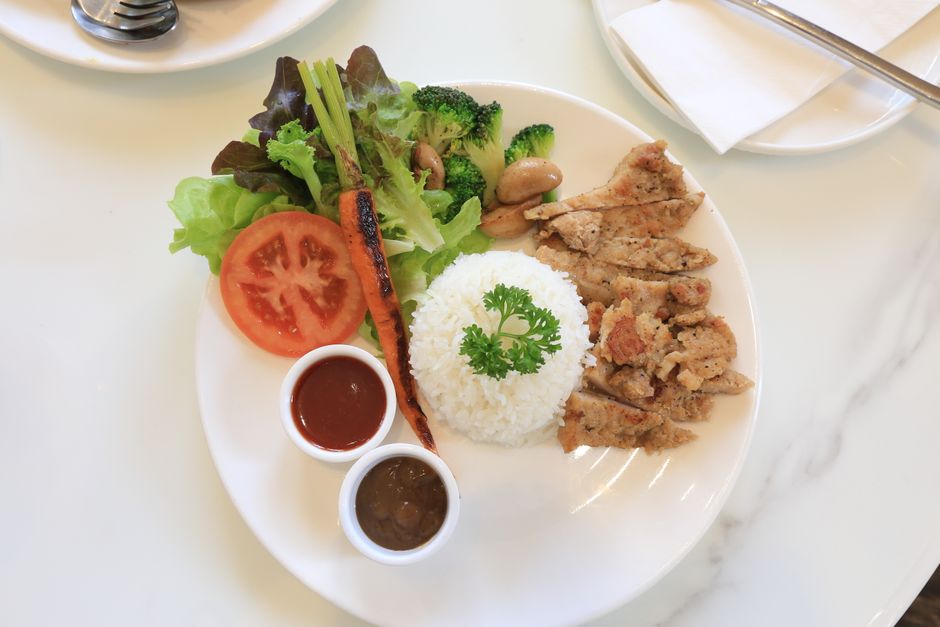
The healthy plate formula
Forget counting every calorie. For most people, building each meal around this simple formula naturally controls portions and keeps you full:
½ plate vegetables · ¼ plate protein · ¼ plate smart carbs · a little healthy fat
- Half your plate: vegetables. High in volume, low in calories, packed with fiber and nutrients. They fill you up for very few calories — the dieter's best friend.
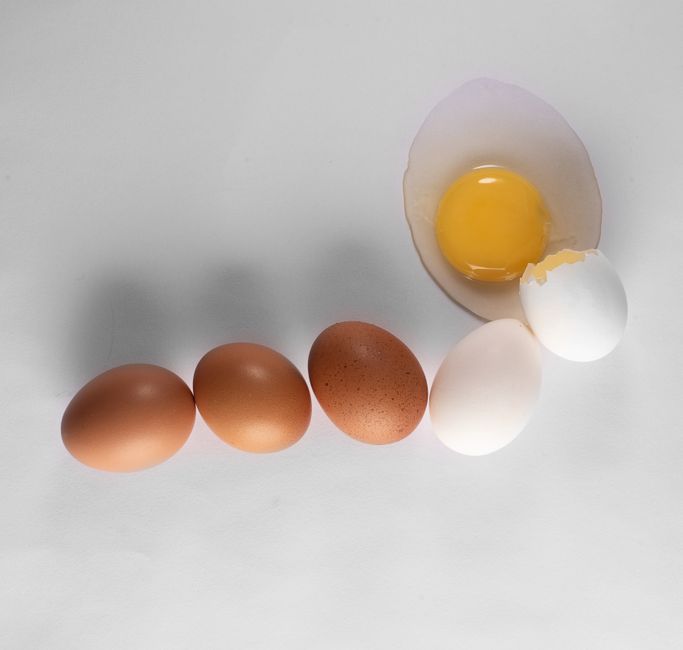
- A quarter: protein. The most filling nutrient, and it protects your muscle while you lose fat. Chicken, fish, eggs, lean meat, Greek yogurt, tofu, beans.
- A quarter: smart carbs. Rice, potatoes, oats, whole grains, fruit. Carbs aren't the enemy — they fuel you. Just keep the portion reasonable.
- A little healthy fat. Olive oil, avocado, nuts. Fat is calorie-dense, so use it for flavour, not in huge amounts.
Build most of your meals this way and you'll eat fewer calories almost automatically, while feeling satisfied.
Prioritise these foods
You don't need to ban anything, but leaning on these makes weight loss far easier:
- Lean proteins: chicken, turkey, fish, eggs, Greek yogurt, cottage cheese, tofu, lentils, beans
- Plenty of vegetables: leafy greens, broccoli, peppers, courgette, tomatoes — eat them freely
- Fruit: berries, apples, oranges, bananas — naturally sweet and filling
- Smart carbs: oats, potatoes, rice, whole grains
- Healthy fats (in moderation): olive oil, nuts, seeds, avocado
- Water: your main drink — more on this below
Go easy on these
Not banned — just easy to overeat, so keep them occasional:
- Sugary drinks, juices, and fancy coffees (liquid calories are the silent saboteur)
- Sweets, pastries, and desserts
- Fried and heavily processed foods
- Alcohol (calorie-dense and lowers your resolve)
- "Diet" snack foods that are easy to overeat
A useful mindset: it's about frequency and portion, not perfection. A treat now and then is completely fine and helps you stick with it long-term.
A sample day of meals
Here's what a satisfying, weight-loss-friendly day might look like. Adjust portions to your own needs.
Breakfast
- Greek yogurt with berries, a sprinkle of oats, and a drizzle of honey
- Or scrambled eggs with spinach and a slice of whole-grain toast
Lunch
- Grilled chicken salad: lots of greens and veg, chicken breast, a little olive oil dressing, and a small portion of rice or a wholegrain roll
Snack
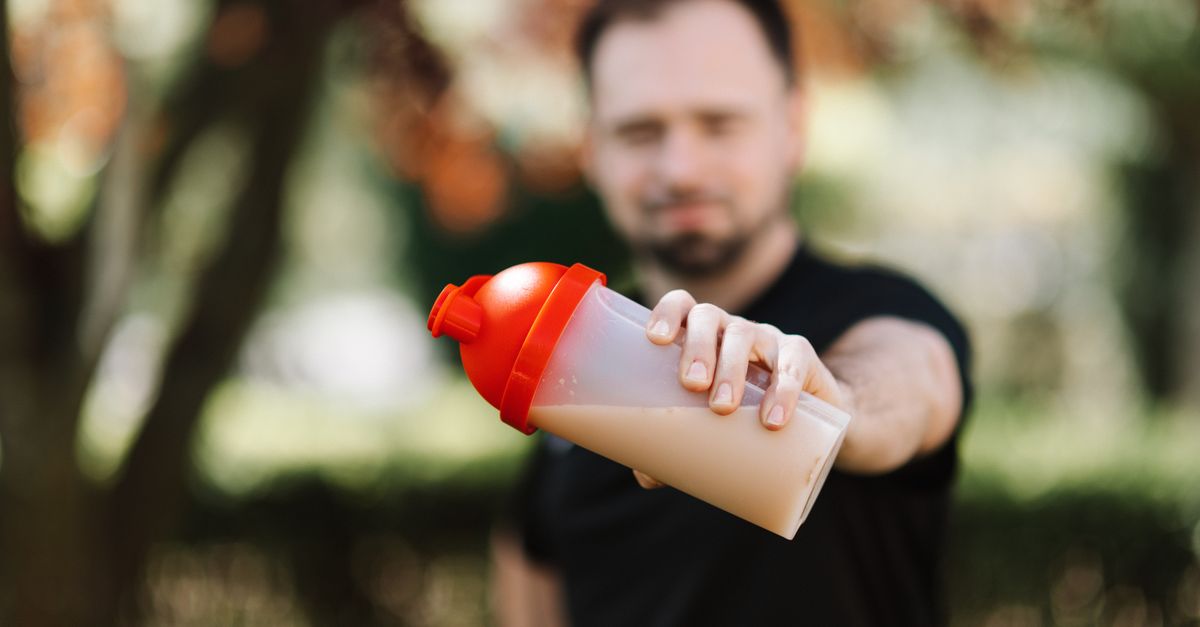
- An apple with a small handful of nuts, or cottage cheese, or a protein shake
Dinner
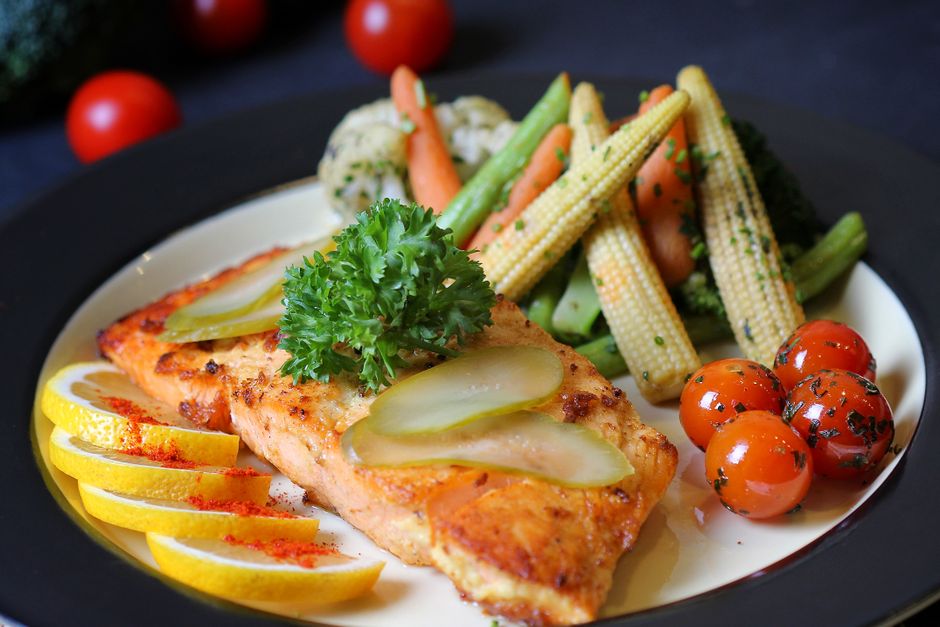
- Baked salmon or lean beef, half a plate of roasted vegetables, and a fist-sized portion of potatoes or rice
Throughout the day
- Water, plus tea or black coffee if you like
That's three filling, protein-rich meals plus a snack — satisfying, balanced, and naturally calorie-controlled.
Simple habits that make a big difference
The plate formula is the foundation. These habits make it even easier:
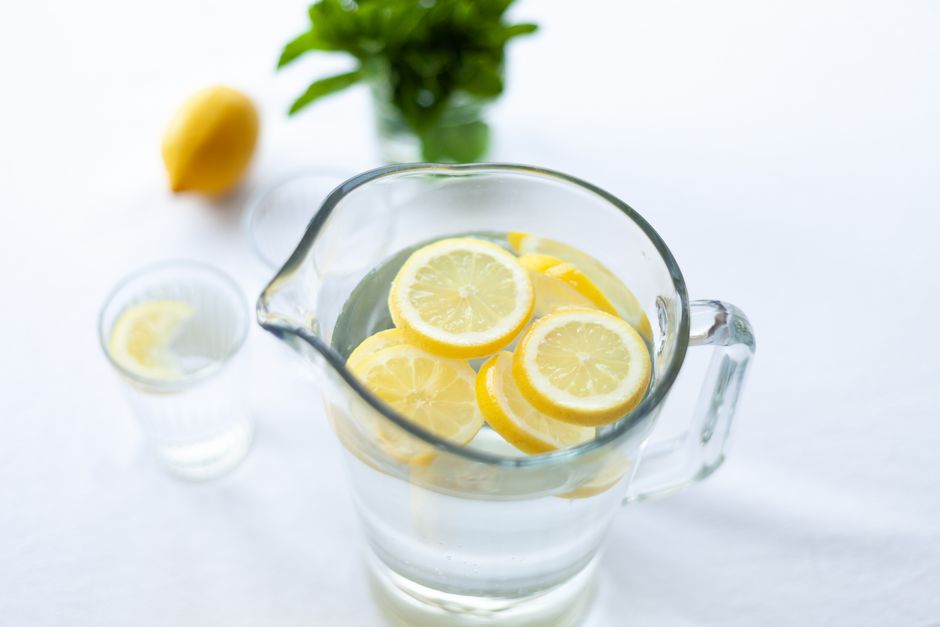
- Drink water before meals. It helps you feel full and prevents mistaking thirst for hunger. (See our hydration guide.)
- Eat protein at every meal. It's the strongest tool for managing appetite.
- Slow down. Eating slowly gives your body time to register fullness, so you eat less.
- Watch liquid calories. Sodas, juices, and alcohol add up fast without filling you up.
- Prep ahead. Having healthy food ready removes the temptation to grab junk when you're hungry and busy.
- Don't shop hungry. You'll buy better food on a full stomach.
What about meal timing and "clean eating"?
You may have heard you must eat six small meals, never eat after 7 pm, or only eat "clean." For most people, none of this is necessary. Whether you eat three meals or five, early or late, matters far less than your total daily intake and food quality. Eat in a pattern that suits your life — that's the one you'll stick to. (If a structured eating window appeals to you, see our intermittent fasting guide.)
Frequently asked questions
Do I have to count calories to lose weight?
No. Counting gives precision, but many people succeed just by using the plate formula, prioritising protein and vegetables, watching liquid calories, and keeping portions sensible. Count if you like data; skip it if it stresses you out.
Can I still eat carbs and lose weight?
Yes. Carbs are not the enemy — they fuel your body and workouts. Just keep portions reasonable and favour whole-food sources like oats, rice, potatoes, and fruit.
What's the best diet for weight loss?
The best diet is the one you can stick to. Keto, vegan, Mediterranean, calorie counting — they all work if they keep you in a calorie deficit. Choose the style that fits your tastes and lifestyle.
How fast should I expect to lose weight?
A healthy, sustainable pace is about 0.5–1 kg (1–2 lb) per week. Slower loss is more likely to stay off and protects your muscle. Crash diets backfire.
The bottom line
Healthy eating for weight loss isn't about misery or banned foods — it's about building most of your meals around vegetables, protein, and smart carbs, watching liquid calories, and staying consistent. Do that, drink your water, and allow the occasional treat, and you'll lose weight steadily without feeling deprived.
Use the plate formula as your default, pair it with a little movement, and let consistency do the work.
Read next
Related articles
- Intermittent Fasting for Beginners: A Complete Guide (2026)
- How Much Protein Do You Really Need? A Science-Backed Guide
- How to Lose Fat: A Complete Beginner’s Guide (2026)
- 7 Best Protein Powders for Beginners in 2026 (Honest Guide)
- Best Pre-Workout Supplements for Beginners (What Actually Works)
- What to Eat After a Workout (and When It Actually Matters)
Further reading & trusted sources
The detail that makes the difference
A meal plan only works if you’d genuinely eat it — the ‘perfect’ plan you hate lasts about three days. Build it from foods you already like in the right amounts and it becomes a habit instead of a diet.
Maya’s editorial obsession is the gap between fitness hype and what the evidence actually shows — she’d rather hand you one boring habit that works than ten exciting ones that don’t. She builds FitNourish’s guides from mainstream, well-established sources (the CDC, the NHS, Mayo Clinic, and peer-reviewed research) and has a human review every one for accuracy before it publishes. She and the team are dedicated fitness enthusiasts and researchers, not doctors, so everything here is general information rather than medical advice. AI tools help with the research and drafting; the fact-checking and judgement are human.