 By Maya Reed, Editor
Reviewed & updated September 2026 · Researched, AI-assisted & human-reviewed
Educational information only — not medical advice. Learn more
This article is for general educational purposes and is not medical advice. If you have a kidney, heart, or other medical condition that affects fluid intake, follow your doctor's guidance.
"Drink 8 glasses a day." You've heard it a thousand times — but is it actually true? And does staying hydrated really matter that much for your health and fitness? (Spoiler: it matters a lot, and it's easier than the rules make it sound.)
This guide cuts through the myths with a simple, honest look at how much water you really need, why hydration matters for your body and your workouts, and easy ways to drink more.
Jump to a sectionCurated by Maya · 7 min readWhy hydration matters more than you think
Water makes up roughly 60% of your body and is involved in almost everything it does:
- Energy and focus — even mild dehydration causes fatigue, brain fog, and headaches.
- Physical performance — your muscles are about 75% water; being dehydrated noticeably reduces strength, endurance, and coordination.
- Recovery — water helps transport nutrients to your muscles and flush out waste.
- Appetite control — thirst is often mistaken for hunger, so good hydration can curb unnecessary snacking.
- Digestion, joints, temperature, skin — water supports all of these too.
In short, staying hydrated is one of the simplest, highest-impact things you can do for how you feel and perform every day.
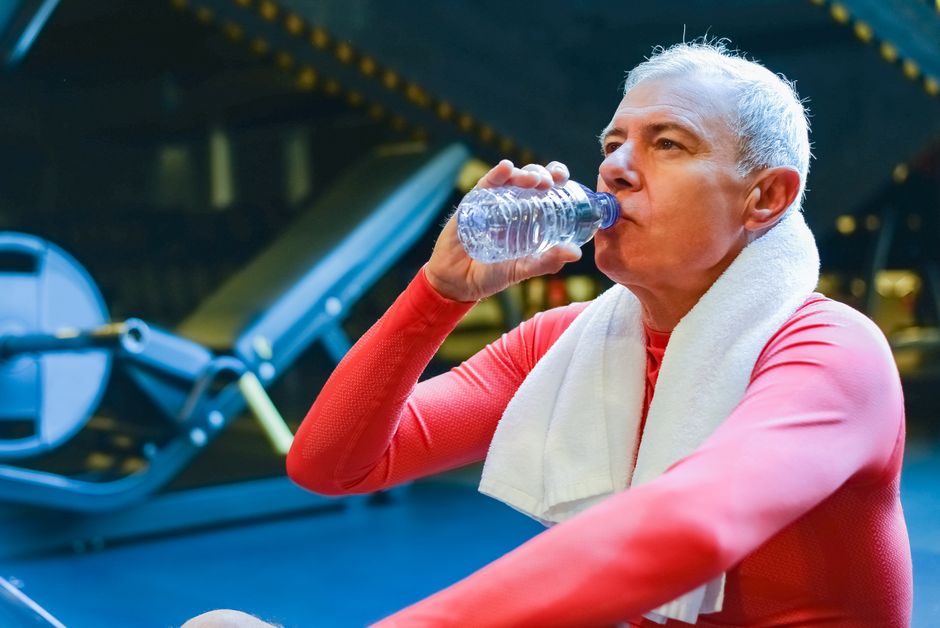
So how much water do you actually need?
Here's the honest answer: it depends — on your body size, activity level, climate, and diet. The famous "8 glasses a day" (about 2 litres) is a reasonable general target for many people, but it's a rough guideline, not a strict rule.
A few useful reference points:
- General guidance often cited is around 2–3 litres of total fluid per day for adults (more for men, slightly less for women) — but this includes water from all drinks and food, not just plain water.
- You need more if you're active, sweating, in hot weather, or larger in body size.
- Food counts too — fruits, vegetables, soups, and other foods provide a meaningful amount of water.
- Other drinks count — tea, coffee, and milk all contribute to hydration (the old "coffee dehydrates you" idea is overstated for regular drinkers).
So rather than obsessing over an exact number, aim to drink regularly throughout the day and let your body guide you.
The easiest way to check your hydration
Forget counting millilitres — there's a simpler check. Look at the colour of your urine:
- Pale, light yellow → you're well hydrated. 👍
- Dark yellow or amber → drink more water.
- Clear and frequent → you may be drinking more than you need (not harmful for most people, but you can ease off).
This simple check is more useful for most people than any rigid daily target.
How much water around exercise?
When you work out, you lose fluid through sweat and need to replace it:
- Before: drink a glass or two of water in the couple of hours before training.
- During: sip water throughout, especially in longer or sweaty sessions.
- After: rehydrate to replace what you lost — your urine colour will tell you when you're topped up.
- Long or very sweaty sessions: you also lose electrolytes (sodium, potassium). For most normal workouts, water and a balanced diet cover this. For intense, hour-plus sessions in heat, an electrolyte drink or a pinch of salt and some fruit helps.
Easy ways to drink more water
If you struggle to stay hydrated, these simple habits make a big difference:
- Keep a water bottle visible. You drink more simply because it's there. Out of sight, out of mind.
- Drink a glass when you wake up. You're mildly dehydrated after sleep — start the day topped up.
- Drink a glass before each meal. It hydrates you and helps with portion control.
- Flavour it with lemon, cucumber, mint, or berries if plain water bores you.
- Set gentle reminders or use a marked bottle to pace yourself through the day.
- Sip, don't chug. Spreading intake throughout the day is better than gulping a litre at once.
Can you drink too much water?
For healthy people, drinking a bit more than you need is generally harmless — your body simply gets rid of the excess. Very rarely, drinking extreme amounts in a short time can dangerously dilute the body's sodium (a condition called hyponatremia), but this is uncommon and usually only a risk in endurance events or unusual circumstances. For everyday life, the far more common problem is drinking too little, not too much.
Frequently asked questions
Do I really need 8 glasses of water a day?
It's a fine general guideline, but not a strict rule. Your needs vary with body size, activity, and climate, and food and other drinks count toward your total. Use your urine colour (aim for pale yellow) as a simpler, more personal gauge.
Does coffee or tea count toward hydration?
Yes. For regular drinkers, the mild diuretic effect of caffeine is outweighed by the fluid in the drink, so tea and coffee do contribute to your daily hydration.
How do I know if I'm dehydrated?
Common signs include thirst, dark urine, fatigue, headaches, and poor concentration. The urine-colour check is the quickest way to tell — pale yellow means you're well hydrated.
Should I drink more water to lose weight?
Water itself doesn't "burn" fat, but staying hydrated can help with weight loss indirectly: it curbs false hunger, and drinking water before meals can help with portion control. Plus, swapping sugary drinks for water cuts a lot of empty calories.
The bottom line
Hydration is one of the simplest, most overlooked keys to feeling and performing your best. You don't need to obsess over an exact number — drink regularly throughout the day, drink more when you're active or hot, let food and other drinks count, and use the pale-yellow urine check as your guide. Keep a bottle nearby and the rest takes care of itself.
Pair good hydration with a healthy eating plan and solid sleep, and you've got the foundations of feeling great every day. 💧
Read next
Related articles
- Gut Microbiome and Health: What the Research Says
- 6 Best Creatine Supplements for Beginners (2026)
- How to Stay Motivated to Work Out (And Build Habits That Last)
- Healthy Eating for Weight Loss: A Simple Meal Plan Guide
- The Best Foods for Muscle Recovery After Training
- Intermittent Fasting for Beginners: A Complete Guide (2026)
Further reading & trusted sources
A common mistake to skip
The ‘8 glasses’ rule is a rough guide, not science — thirst and the colour of your urine tell you more than a fixed number. Needs swing with heat and activity, so a single target misses the point.
Maya’s editorial obsession is the gap between fitness hype and what the evidence actually shows — she’d rather hand you one boring habit that works than ten exciting ones that don’t. She builds FitNourish’s guides from mainstream, well-established sources (the CDC, the NHS, Mayo Clinic, and peer-reviewed research) and has a human review every one for accuracy before it publishes. She and the team are dedicated fitness enthusiasts and researchers, not doctors, so everything here is general information rather than medical advice. AI tools help with the research and drafting; the fact-checking and judgement are human.