 By Maya Reed, Editor
Reviewed & updated September 2026 · Researched, AI-assisted & human-reviewed
Educational information only — not medical advice. Learn more
You don't need a thousand-dollar budget to build a genuinely effective home gym. The right $100 worth of gear — chosen strategically — can cover strength, cardio, and mobility work for years. Here's exactly what to prioritize and what to skip.
This article shares general fitness information for educational purposes, not medical advice. Consult a healthcare provider before starting a new exercise program, especially if you have any health conditions.
 What you’ll find insideCurated by Maya · 7 min read
Why Under $100 Works Better Than You Think
The gym industry wants you to believe you need machines, cables, and a mirror the size of a wall. The reality: bodyweight mechanics and a handful of tools cover 90% of what you'd do in a commercial gym. The constraint forces you to focus on compound movements — squats, hinges, pushes, pulls — which are the most effective ones anyway.
The key is choosing equipment that's versatile, not equipment that does one thing well. A $60 pair of fixed dumbbells collects dust once you outgrow them. A $20 set of resistance bands with five resistance levels stays useful for years.
The Priority Order (If You Have to Choose)
Before listing specific items, understand the hierarchy for a tight budget:
- Resistance bands — most versatile per dollar
- A jump rope — the cheapest cardio upgrade you can buy
- A single adjustable dumbbell or kettlebell — if budget allows
- A pull-up bar — if you have a doorframe you can use
Spend in this order. Don't buy a bench before you own bands.
Best Items Under $25 Each
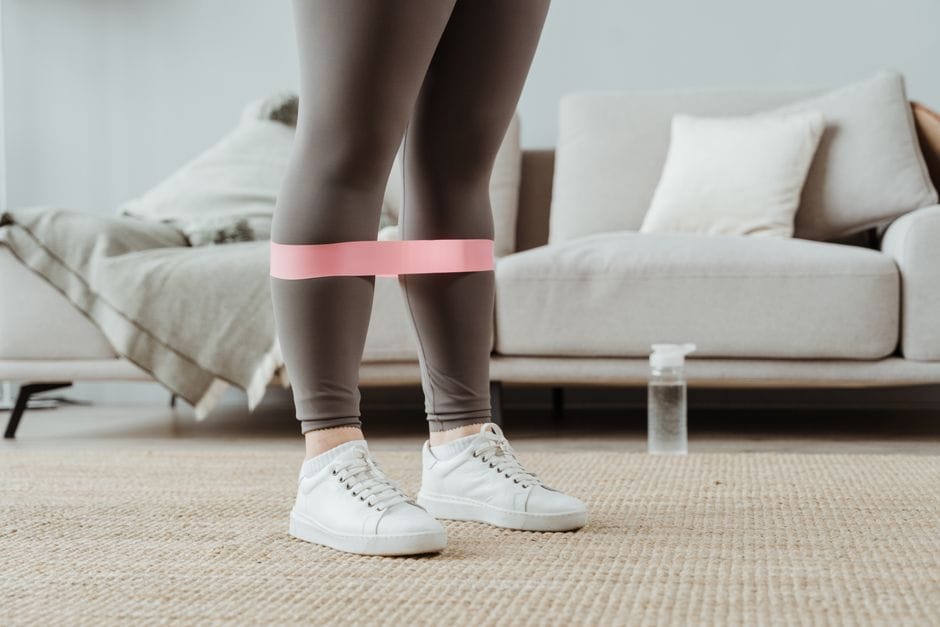
Resistance band set ($15–$22): A five-band set (ranging from 10 to 50+ lbs of tension) covers rows, chest presses, bicep curls, lateral raises, face pulls, glute kickbacks, and banded squats. Loop them around a door anchor for pull-like movements. These alone are worth more than almost anything else at this price point.
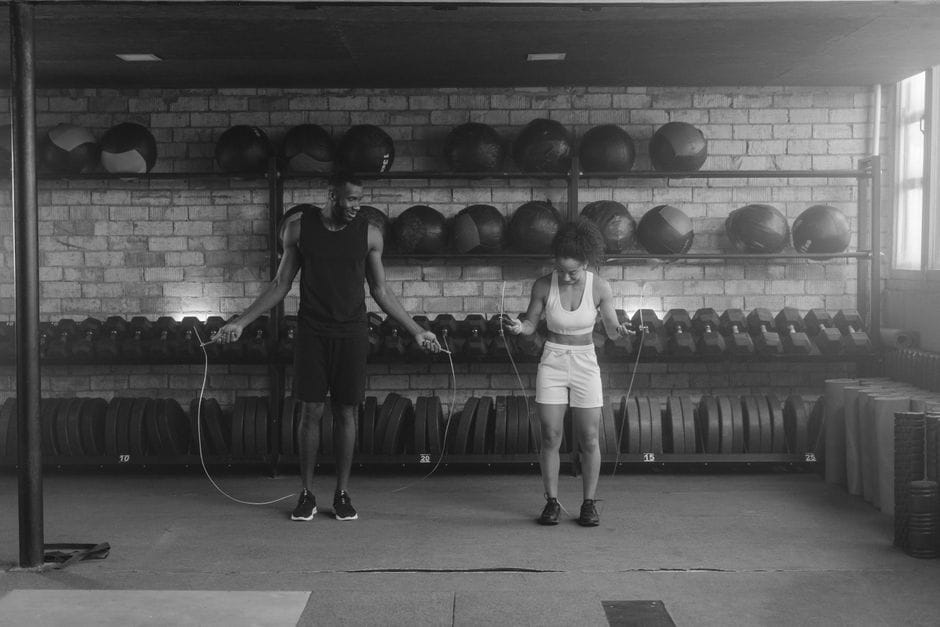
Jump rope ($8–$15): Ten minutes of jump rope at moderate intensity matches 30 minutes of jogging for cardiovascular work, according to research from the British Journal of Sports Medicine. Speed ropes are a few dollars more and allow for double-unders once you level up. This is the best cardio investment at any budget.
Yoga mat ($20–$25): Not optional if you're doing floor work — a bare floor makes core, stretch, and mobility work miserable. Look for at least 4mm thickness; 6mm if you have sensitive knees or wrists.
Ab wheel ($12–$18): One of the most underrated core tools available. The rollout is harder than it looks and targets the entire anterior chain. Start from the knees; progress to standing rollouts over months.
Best Items $25–$50 Each
Doorframe pull-up bar ($25–$35): If you can do even one pull-up (or want to work toward one), this is among the best investments in home training. It also doubles as a mount for resistance band rows. Look for a model rated for at least 250 lbs and with foam grips. The over-door style doesn't require installation.
Kettlebell, single ($30–$45 depending on weight): A single 16kg (35 lb) kettlebell for most men, or 12kg (26 lb) for most women, covers swings, goblet squats, single-leg deadlifts, rows, and presses. This is your most versatile single weight. Avoid the coated neoprene versions — they degrade faster than cast iron.
Push-up handles ($15–$22): These look unnecessary until you use them. Elevating your hands allows deeper chest stretch at the bottom of each rep and reduces wrist stress. They also let you do pseudo-planche work as you progress.
Building a $100 Kit: Two Configurations
Configuration A — Full Variety:
- Resistance band set: $18
- Jump rope: $10
- Yoga mat: $22
- Ab wheel: $14
- Pull-up bar: $28
- Push-up handles: $16
Total: ~$108 (buy bands first, drop push-up handles if tight)
Configuration B — Strength Focus:
- Kettlebell (16kg): $40
- Resistance band set: $18
- Yoga mat: $22
- Jump rope: $10
- Ab wheel: $14
Total: ~$104 (drop the ab wheel if needed)
Configuration A is better if you're a beginner; Configuration B if you already have a training base.
What to Skip at This Budget
Adjustable dumbbells: The quality ones (Bowflex SelectTech, PowerBlock) cost $300–$500. The cheap knock-offs have a failure rate that's not worth the risk of dropping a weight on your foot. Wait until you have $300+ to spend, or buy a single fixed-weight dumbbell in a useful weight class.
Weight bench: Adds bulk, cost, and limited utility at this budget. Floor pressing works fine. A doorframe pull-up bar gives you more movement variety per dollar.
Foam roller: Nice, but optional. A tennis ball works for most trigger-point release needs at zero cost.
"Smart" jump ropes with Bluetooth: Gimmicks. The $10 speed rope works identically.
A Simple Weekly Routine With This Gear
Here's how the equipment above translates to a real program:
- Monday/Thursday (Strength): Banded push-up × 4 sets, pull-up or banded row × 4 sets, goblet squat or banded squat × 4 sets, RDL with band or kettlebell × 3 sets, ab wheel × 3 sets
- Tuesday/Friday (Cardio + Mobility): Jump rope 3× 5 min intervals, mat stretching, banded face pulls + rotator cuff work
- Wednesday/Saturday/Sunday: Rest or light walk
This hits every major muscle group twice weekly, which is the minimum effective dose for strength adaptations.
The Takeaway
The best home gym equipment under $100 isn't about filling a cart — it's about choosing tools that multiply your options. A resistance band set, a jump rope, and a yoga mat get you further than a stack of gear you'll use three ways and then forget. Add a pull-up bar or kettlebell if your budget stretches, and you have a legitimate training setup that will hold you for years.
Frequently Asked Questions
What's the single best piece of home gym equipment under $25?
A five-band resistance band set. It covers more movement patterns than anything else at that price point — rows, presses, squats, lateral work, and cardio-adjacent banded drills. It's also portable and takes up almost no space.
Are cheap dumbbells worth buying?
Fixed-weight cast iron or rubber hex dumbbells are fine if you're buying in a weight class you'll actually use for a while (like a 20 lb pair for upper body work). Avoid cheap adjustable dumbbell mechanisms — the locking pins fail under real use.
How do I add cardio without a treadmill or bike?
A jump rope is the most efficient option. Alternatively, step-up sequences on a low surface (stairs count), banded lateral shuffles, and bodyweight burpees require no equipment at all. The jump rope gives you rhythm and intensity control that's hard to replicate otherwise.
Can you actually build muscle with resistance bands?
Yes — research confirms that bands create similar muscle protein synthesis responses to free weights when taken to equivalent effort levels. The key is progressive overload: increase band tension, reps, or difficulty of the movement over time, just as you would with weights.
Read next
Related articles
- 15 Tiny Daily Habits That Quietly Transform Your Health
- 9 Gentle Stretches to Relieve Lower Back Pain
- The Cheapest Way to Build a Home Gym (2026 Update)
- Smart Home Gym Storage Ideas for Small Apartments
- The 5 Pieces You Actually Need for a Home Gym
- “Resistance Bands vs Dumbbells: Which Should You Buy First?”
Further reading & trusted sources
The part that actually matters
The most common under-$100 home gym mistake is buying a cheap adjustable dumbbell mechanism — the locking pins fail under real load and the weight slips at the worst moment. A single fixed-weight kettlebell or a quality resistance band set is far more durable per dollar spent.
Maya’s editorial obsession is the gap between fitness hype and what the evidence actually shows — she’d rather hand you one boring habit that works than ten exciting ones that don’t. She builds FitNourish’s guides from mainstream, well-established sources (the CDC, the NHS, Mayo Clinic, and peer-reviewed research) and has a human review every one for accuracy before it publishes. She and the team are dedicated fitness enthusiasts and researchers, not doctors, so everything here is general information rather than medical advice. AI tools help with the research and drafting; the fact-checking and judgement are human.