 By Maya Reed, Editor
Reviewed & updated July 2026 · Researched, AI-assisted & human-reviewed
Educational information only — not medical advice. Learn more
The squat is one of the most useful movements you can own — it builds leg and core strength, translates directly into everyday tasks like picking things up off the floor, and scales from bodyweight to barbell as you get stronger. It's also one of the most commonly rushed exercises, which is why so many people plateau or feel it in their knees instead of their legs.
This is general fitness information, not medical advice. If you have joint pain or an existing injury, check with a physical therapist or doctor before adding load.
 What this guide coversCurated by Maya · 7 min read
Why the squat matters
Squatting isn't just a gym exercise — it's a movement pattern your body was built to do. Every time you sit down, stand up, or lift something heavy off the ground, you're using some version of a squat. Training it deliberately keeps your hips, knees, and ankles mobile and your legs and glutes strong, which pays off well beyond the gym: better balance, fewer falls as you age, and less strain on your lower back when you lift things the right way.
Setting up your stance
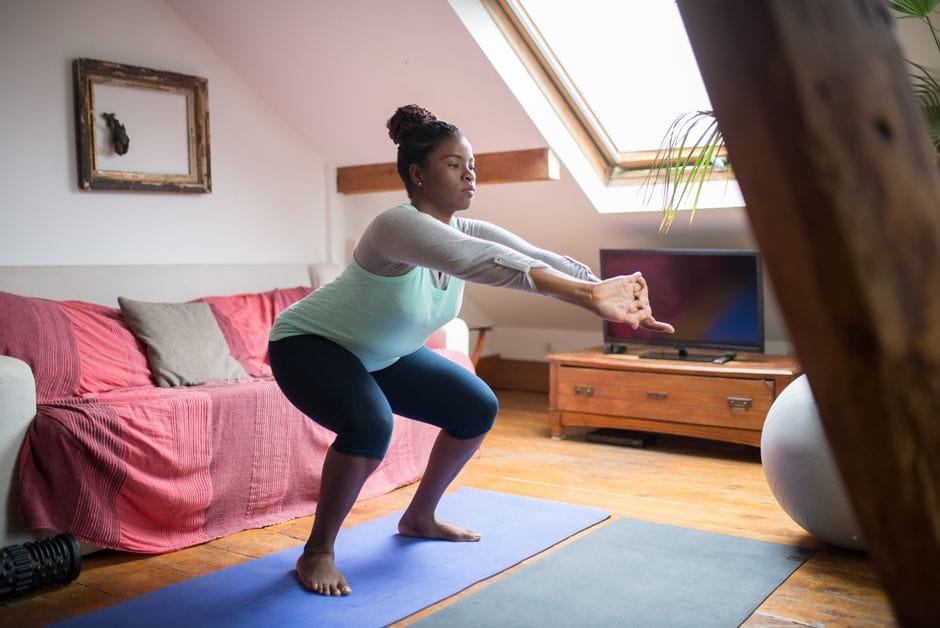
Start with your feet roughly shoulder-width apart, toes turned out slightly — somewhere between 5 and 20 degrees feels natural for most people. There's no single "correct" foot angle; it depends on your hip structure, so experiment within that range and notice where you feel most stable at the bottom of the movement. Your weight should be spread evenly across your whole foot, not just your heels or the balls of your feet.
The descent
Begin the movement by pushing your hips back slightly, as if you're reaching for a chair behind you, then bend your knees and lower down. Keep your chest up and your spine in a neutral position — not rounded, not overly arched. Your knees should track in the same direction as your toes throughout the movement; letting them cave inward is one of the most common form breakdowns and puts unnecessary stress on the knee joint.
Aim to lower until your thighs are at least parallel to the floor, or lower if your mobility allows it comfortably. Depth matters less than control — a controlled squat to parallel beats a deep squat where your lower back rounds at the bottom.
The drive back up
Push through your whole foot, not just your toes, and drive your hips forward and up. Think about spreading the floor apart with your feet as you stand — this small mental cue helps keep your knees tracking correctly and engages your glutes more effectively. Exhale as you push through the hardest part of the rep, usually the first few inches off the bottom.
Common mistakes that limit progress
Knees caving inward. Usually a sign of weak glutes or hips that aren't firing correctly. Slow the movement down and consciously push your knees outward as you descend.
Heels lifting off the ground. This usually points to tight ankles. Elevating your heels slightly on a small plate or wedge can help while you work on ankle mobility separately.
Rounding the lower back at the bottom. This is your body telling you the depth is beyond what your current mobility supports. Stop a few inches higher and work down gradually over weeks, not in a single session.
Looking down or craning the neck up. Keep your gaze roughly forward and slightly down — chasing a spot on the ceiling tends to pull your lower back into an arch.
Progressing the squat safely
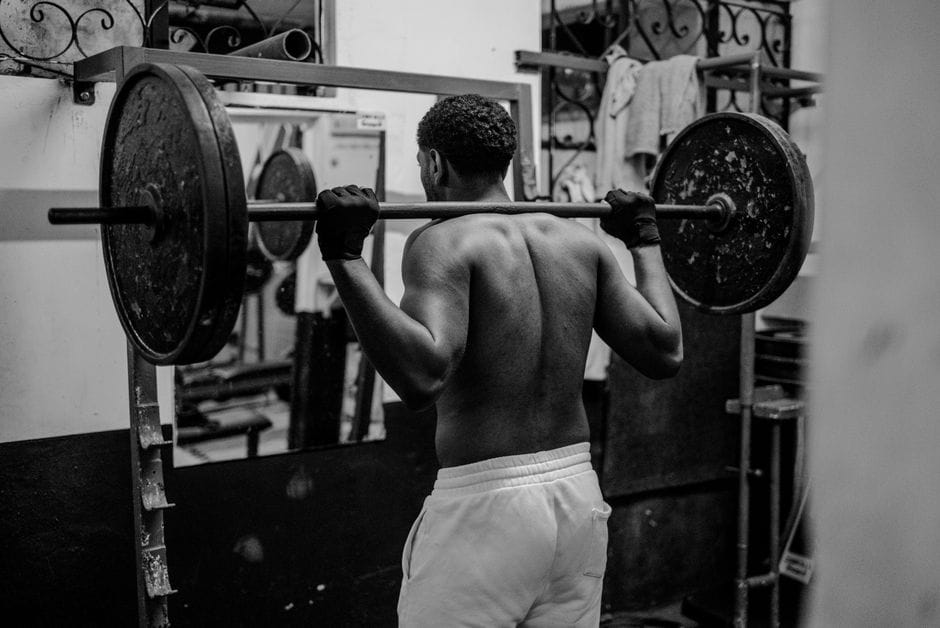
Start with bodyweight squats until the pattern feels automatic and pain-free through a full range of motion. From there, goblet squats (holding a single dumbbell or kettlebell at chest height) are a great next step — the front-loaded weight naturally encourages an upright torso and teaches good positioning. Only move to a barbell back squat once goblet squats feel controlled and you're comfortable adding meaningful weight.
Progress load gradually — adding small increments over weeks lets your connective tissue (tendons and ligaments) adapt alongside your muscles, which adapt faster. Rushing weight increases is a common reason people develop nagging knee or lower back pain.
How often to squat
Two to three sessions a week, with at least one rest day between heavier sessions, works well for most people building strength. Legs recover a bit slower than smaller muscle groups, so if your squat day leaves you sore for days, that's a signal to back off the volume or intensity rather than push through.
[TAKE] One thing that trips up a lot of beginners: mobility, not strength, is usually the real limiter on squat depth. Someone can have plenty of leg strength but still can't sit into a full squat because their ankles or hips are tight. Spending five minutes on ankle and hip mobility before squatting often improves depth and comfort faster than any strength work will.
The takeaway
A proper squat comes down to a stable stance, a controlled descent with knees tracking over toes, and a strong drive through the whole foot on the way up. Depth and load matter less than consistency and control — build the pattern with bodyweight first, then add resistance gradually as your mobility and strength catch up.
Frequently asked questions
Is it bad for my knees if they go past my toes during a squat?
No — this is an outdated myth. Some forward knee travel is normal and necessary for most people to reach a good depth, especially those with longer shins. What actually causes knee strain is the knees caving inward, not forward.
How low should I squat?
Parallel (thighs roughly level with the floor) is a solid target for most goals. Going deeper is fine and often beneficial if your mobility allows it without your lower back rounding — but don't force depth at the expense of form.
Why do my knees click when I squat?
Occasional painless clicking or popping is usually just gas bubbles or tendons moving over joints, and it's common even in healthy knees. If it comes with pain, swelling, or instability, that's worth getting checked out rather than pushing through.
Can I squat every day?
Bodyweight squats, yes, for most people — they're low-impact enough to do daily. Loaded squats with meaningful weight are better spaced out 2-3 times a week so your muscles and joints have time to recover between sessions.
Read next
Further reading & trusted sources
Worth knowing before you start
Ankle mobility, not leg strength, is the real ceiling on squat depth for most beginners — someone can leg-press a lot of weight and still be unable to sit into a full squat because the ankle simply won’t dorsiflex enough. A few minutes of ankle mobility work before squatting often fixes depth issues faster than any amount of additional squat practice.
Maya’s editorial obsession is the gap between fitness hype and what the evidence actually shows — she’d rather hand you one boring habit that works than ten exciting ones that don’t. She builds FitNourish’s guides from mainstream, well-established sources (the CDC, the NHS, Mayo Clinic, and peer-reviewed research) and has a human review every one for accuracy before it publishes. She and the team are dedicated fitness enthusiasts and researchers, not doctors, so everything here is general information rather than medical advice. AI tools help with the research and drafting; the fact-checking and judgement are human.