 By Maya Reed, Editor
Reviewed & updated September 2026 · Researched, AI-assisted & human-reviewed
Educational information only — not medical advice. Learn more
The deadlift is one of the most useful exercises you can learn — it builds real-world strength for lifting, carrying, and moving without a sore back. It's also one of the most misunderstood, because "just pick it up" leaves out the details that keep your spine safe and your effort where it belongs: your legs and hips, not your lower back.
This is general fitness information, not medical advice. If you have an existing back injury or condition, check with a doctor or physical therapist before adding heavy pulling to your routine.
 In this guideCurated by Maya · 7 min read
What the deadlift actually trains
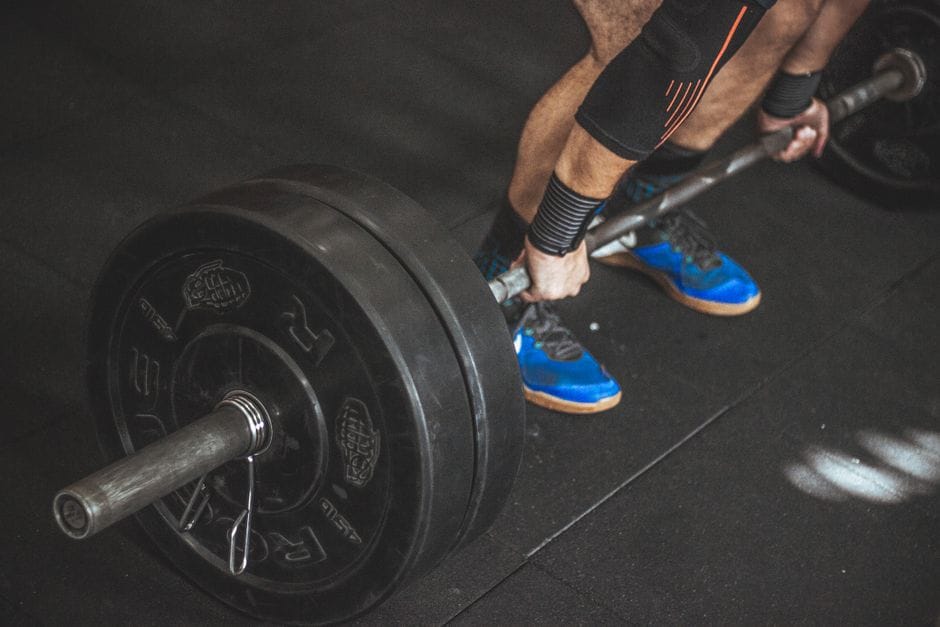
The deadlift is a hip-hinge movement, not a squat and not a back exercise. Your hamstrings, glutes, and spinal erectors all work together to pull weight off the floor while your core braces to keep your spine in a neutral position. Done well, it's one of the most efficient exercises for building total-body strength — you're training your posterior chain, your grip, and your ability to brace under load all at once.
Setting up before you pull
Good reps start before the bar ever leaves the ground.
- Feet: Hip-width apart, bar over the middle of your foot (close enough that it nearly touches your shins).
- Grip: Just outside your legs, hands hanging straight down — not angled in or out.
- Hips: Lower until your shins touch the bar, hips higher than your knees but lower than your shoulders.
- Back: Flat, not rounded and not overly arched. A slight natural curve is normal.
- Chest: Proud, shoulders pulled back and down, not hunched forward.
Take a breath into your belly before you pull — that pressure is what keeps your spine stable, not tensing your shoulders.
The pull: five checkpoints
- Push the floor away. Think about driving your feet through the ground rather than yanking the bar up with your arms.
- Keep the bar close. It should slide up your shins and thighs, brushing your body the entire way. A bar that drifts forward turns into a lower-back exercise fast.
- Hips and shoulders rise together. If your hips shoot up first, your back rounds and takes on load it shouldn't. Keep the angle between your torso and legs roughly consistent as you leave the floor.
- Lock out with your glutes, not your lower back. At the top, squeeze your glutes to finish the movement — don't lean backward or hyperextend your spine.
- Lower with control. Push your hips back first, let the bar travel down your legs, and bend your knees once it passes them. A deadlift you drop isn't a deadlift you're training safely.
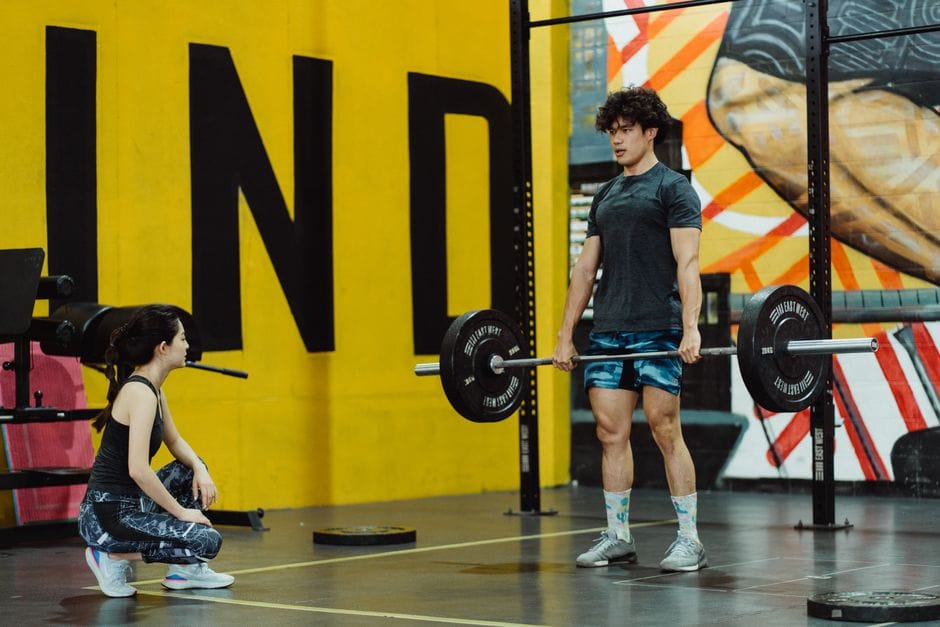
Common mistakes that lead to a sore back
- Rounding the lower back to reach the bar instead of hinging at the hips — this is the single biggest cause of deadlift back pain.
- Bar drifting away from the body, which multiplies the leverage your spine has to fight against.
- Hips rising before the chest, turning the first few inches into a stiff-legged pull.
- Holding your breath the whole set instead of bracing once and resetting between reps.
- Going too heavy too soon. Form breaks down under load you haven't earned yet — add weight only when every rep looks like your first rep.
How to build up to it
If you're new to deadlifting, start with a lighter, more forgiving version before loading a barbell:
- Kettlebell or dumbbell deadlift — hold the weight in front of your thighs, hinge at the hips, and focus purely on the movement pattern.
- Romanian deadlift with light weight — great for learning the hip hinge without pulling from a full dead stop.
- Trap bar deadlift, if your gym has one — the neutral grip and centered load make it more beginner-friendly than a straight barbell.
Once the hinge feels automatic and your back stays flat through a full range, moving to a barbell is a natural next step.
How often and how heavy
For most people, one or two deadlift sessions a week is plenty — it's a demanding lift that needs recovery time. Start with 3 sets of 5-8 reps at a weight where the last two reps feel challenging but your form doesn't change. Add small amounts of weight only when every rep in every set looks clean; a deadlift that turns ugly on rep 5 is a sign to hold at that weight another session, not push through.
What to do if your lower back is sore afterward
A little muscle fatigue in your glutes and hamstrings is expected. A sharp or specific ache in your lower back usually means the bar drifted forward, your hips rose too early, or you went heavier than your form could handle. Drop the weight back, film a set from the side, and check that flat-back position before adding load again.
[TAKE] The single form cue that fixes the most deadlifts: keep the bar scraping your shins and thighs the entire lift. Almost every other mistake — rounded back, hips shooting up, straining the lower back — traces back to the bar drifting away from the body.
The takeaway
The deadlift rewards patience with technique more than almost any other lift. Master the hip hinge with light weight, keep the bar close to your body, and let your legs and hips do the work instead of your lower back. Once the pattern is automatic, it's one of the most efficient strength exercises you can do — and one that carries over directly into everyday life.
Frequently asked questions
Is deadlifting bad for your back?
Not when done with correct form. A flat, neutral spine and a bar that stays close to your body distribute the load through your legs and hips. Most "bad back" deadlift stories come from rounding the spine or letting the bar drift forward, not from the exercise itself.
How much weight should a beginner deadlift?
Start light enough that you can keep perfect form for every rep — often just the empty bar or a light dumbbell/kettlebell pair. Add weight gradually only when your form stays clean across all sets.
Should I wear a weightlifting belt?
Not as a beginner. A belt can help once you're lifting heavier and already have solid technique, but it shouldn't be used to compensate for a form you haven't learned yet.
How many times a week should I deadlift?
One to two sessions per week is enough for most people, since the deadlift is demanding on your whole body and needs real recovery time between sessions.
Read next

Further reading & trusted sources
Worth knowing before you start
The single cue that fixes the most deadlift form breakdowns is keeping the bar scraping the shins and thighs the whole way up — once the bar drifts even two inches forward, the lower back starts absorbing load it was never meant to handle. Filming a set from the side catches this far more reliably than how the lift feels in the moment, since a rounding back often doesn’t feel wrong until it’s already sore the next day.
Maya’s editorial obsession is the gap between fitness hype and what the evidence actually shows — she’d rather hand you one boring habit that works than ten exciting ones that don’t. She builds FitNourish’s guides from mainstream, well-established sources (the CDC, the NHS, Mayo Clinic, and peer-reviewed research) and has a human review every one for accuracy before it publishes. She and the team are dedicated fitness enthusiasts and researchers, not doctors, so everything here is general information rather than medical advice. AI tools help with the research and drafting; the fact-checking and judgement are human.